Call City Officials, Urge Them to Fix Temescal Road

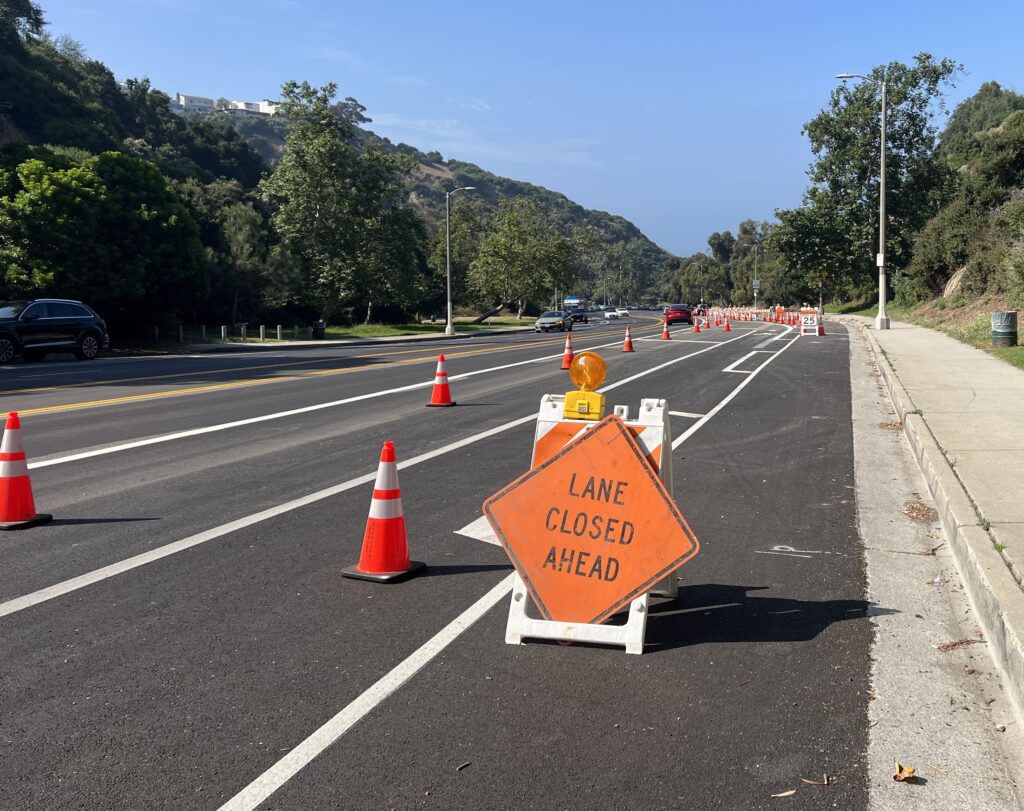
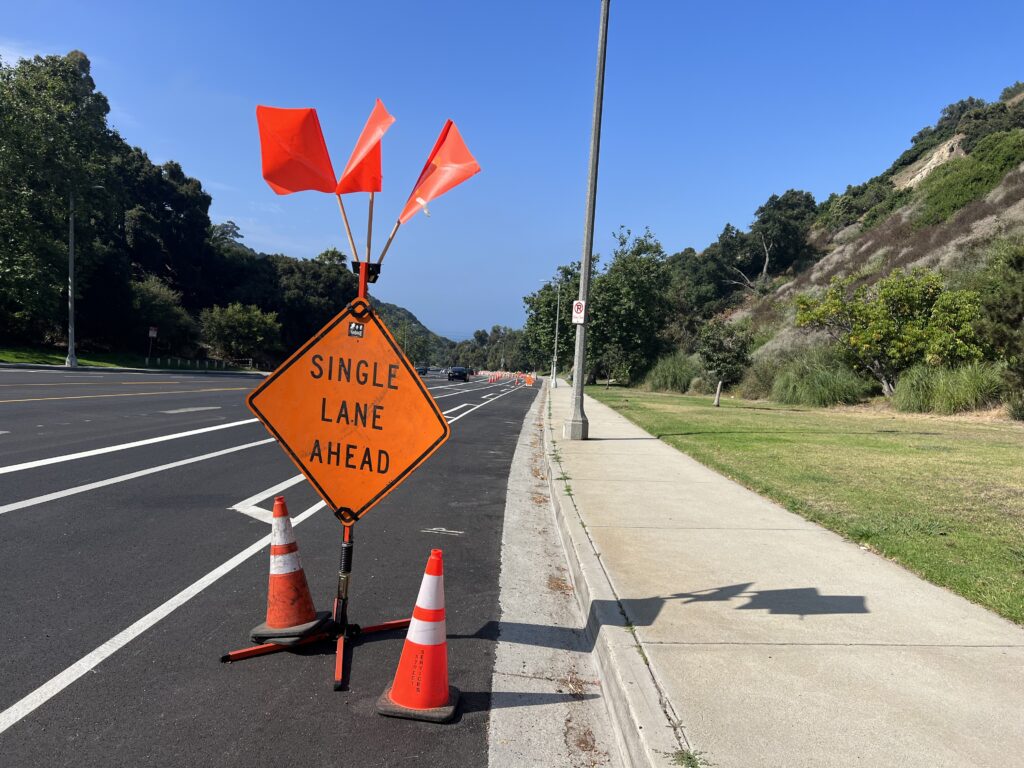
Last week, Bureau of Street Services officially closed off a lane of Temescal Canyon Road.

The Bureau of Street Services acknowledged that a trench needs to be dug and a pipe installed under the segment of the roadway that keeps buckling up on lower Temescal Canyon Road.

Bureau of Street Services Senior Advisor Dan Halden said the City will have to decide who will need to perform the repairs and that funding needs to be found.

In the meantime, the City has turned the two lanes into one, with no time line of when the road might be fixed and the second downhill lane reinstated.

In other words, “Hurry up and wait.”

Palisades High School resumes for students on August 17, which means 3,000 students will come every day to Temescal Canyon.

Additionally, there are only three roads in and out of Pacific Palisades, and in case of an evacuation because of a wildfire—people will be trapped trying to exit onto Pacific Coast Highway.

This is your opportunity to influence change. One person is easily dismissed, several people are just a small nuisance, but an entire community is hard to ignore.

Email or call Bureau of Street Services Daniel Halden [email protected] (213-887-0947). Contact Tracy Park’s Field Deputy Michael Amster [email protected] (310-568-8772)  or Park [email protected] (310-575-8461) or the Westchester field office  (310) 568-8772.

Be polite but tell them this is one of only three roads in and out of Pacific Palisades and before fire season is underway, the second lane needs to be fixed. You might remind officials; residents pay some of the highest taxes in the City and you would appreciate prompt attention to this matter.


Posted in City | 1 Comment

Mansion Tax Challenged as Unconstitutional

Mansions such as these in Pacific Palisades have seen sales slip after UAL was implemented on April 1.

The “Mansion Tax,” Measure ULA, passed in November 2022, with 58 percent of voters approving, and 42 against.

The measure added to the Los Angeles Municipal Code a 4 percent tax on transfers of real property with a gross value between $5 million and $10 million, and a 5.5% tax on transfers of property with a gross value exceeding $10 million.

That tax rate was applied regardless of if the property was sold at a gain or a loss.
A July 28 Wall Street Journal story (“The Latest Luxe Letdown: Sales at the high continue to decline, as homeowners pull back on listing properties and would-be buyers grapple with high interest rates and recessions fears.”) detailed Rodney Dangerfield’s widow Joan and her attempts to sell her mega mansion located in the “Bird Streets” above L.A.’s Sunset Strip.

Dangerfield purchased the home, in this desirable location, in the early 2000s for $6.25 million.

In February, Dangerfield, 70, listed the property for $17.8 million. The story notes that she has had several full-price offers, but they came with contingencies, such as providing seller financing.

Dangerfield said, “We were flooded with shoppers in March. Then, things just came to a screeching halt. It was such a change in the amount of people coming to view the home that it felt like it wasn’t even on the market.” The UAL, “Mansion Tax” became effective April 1, 2023.

In the story Dangerfield said she didn’t foresee how detrimental the mansion tax would be.

CTN contacted Amalfi Founder Anthony Marguleas about the “mansion tax.” He said in a July 28 email, “Yes, sales are down substantially, and it is mainly due to the tax.”

When the tax was initially passed, the Howard Jarvis Taxpayers Association said UAL violated the California Constitution and the Los Angeles City Charter. A lawsuit was filed.
Voters were told that the revenue from the tax would be dedicated to housing and homeless services, which makes it a “special” tax, not a “general” tax.

Transfer taxes were prohibited by Proposition 13 (Article XIII A, section 4 of the California Constitution), but in charter cities such as Los Angeles, transfer taxes have been permitted under case law since 1990, if they are for a general purpose.

“The Constitution prohibits all local governments from imposing special transfer taxes,” said HJTA Director of Legal Affairs Laura Dougherty.

Susan Shelly, the VP Communications of the Howard Jarvis Taxpayers Association had spoken about the Mansion Tax at a Palisades meeting.

CTN reached out to her to ask the status of the lawsuit. She replied July 28, “The lawsuit challenging Measure ULA is moving forward. There’s a hearing on the merits scheduled for September 26. We hope for a favorable decision at that time, but we anticipate that the decision will be appealed, so the issue won’t be settled for a while.

“Anyone who pays this tax should file a claim for a refund to be paid if Measure ULA is ultimately declared invalid,” Shelly said. “Details on how to do that are available at click here. As long as the claim is filed within a year of paying the tax, the taxpayer’s rights are protected no matter how long it takes to get a resolution.”

A friend of Marguleas, Jim Breslo, is working with attorney Keith Fromm, who is also working to overturn ULA. “Fromm has filed a very significant challenge to the tax in state and federal court,” Breslo told CTN by email. “There is a good chance the tax will be held to be illegal and/or unconstitutional.”

That lawsuit has now been consolidated with the Howard Jarvis case. The County and City have since answered the complaint and filed motions for judgment on the pleadings. The motions are set to be heard in September. “The motions provide numerous substantive objections to our claims which we are vigorously opposing,” Fromm said.

Regarding the Federal Case, Fromm wrote, “The City and the proponents of the ULA have filed motions to dismiss the case. We have filed oppositions. The parties conducted oral argument on these motions on May 1, 2023, whereupon the Court asked for supplemental briefing which was completed on May 9, 2023. We are awaiting a ruling on the motions. click here.

Posted in Real Estate | Leave a comment

“Eva’s Promise” Auschwitz Special Programing at the Reagan Library

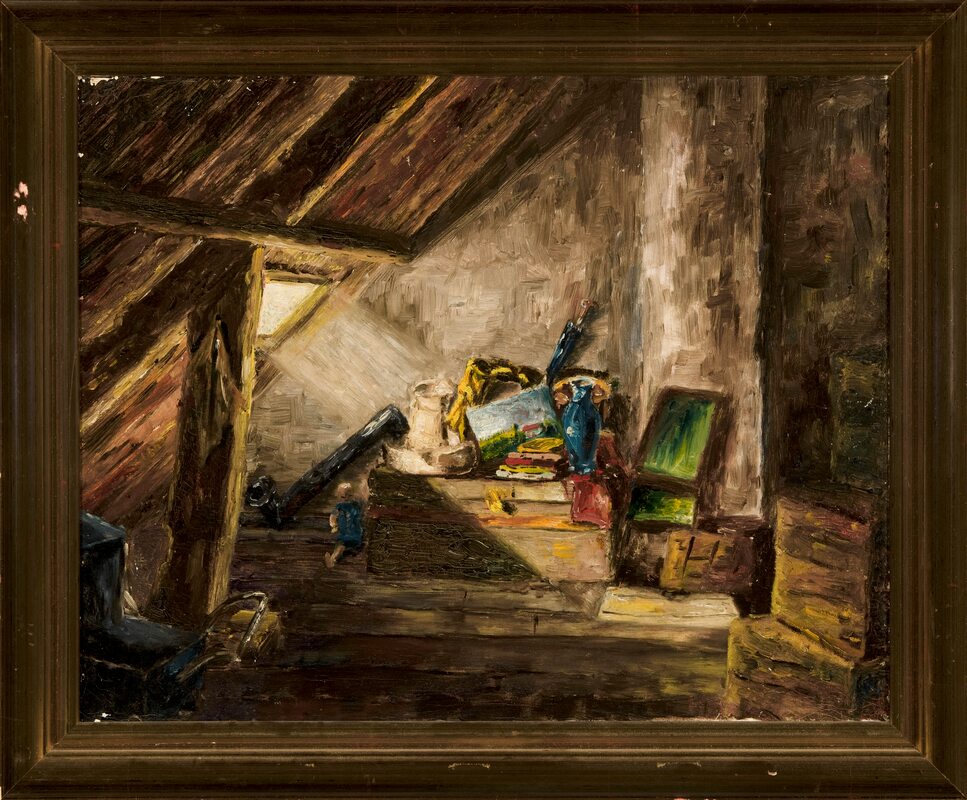
Heinz Geiringer painted this while hiding from the Nazis in Amsterdam attic.

A special screening of Eva’s Promise will take place on Tuesday, August 8, as part of the programming for the exhibit, “Auschwitz. Not Long Ago. Not Far Away.” at the Reagan Presidential Library in Simi Valley.

Following the screening, audience members are invited to join in conversation with the film’s director, Steve McCarthy, and the film’s producer, Susan Kerner.

The documentary follows Holocaust survivor Eva Schloss’ effort to share her brother Heinz Geiringer’s hidden artwork after he died in a concentration camp.

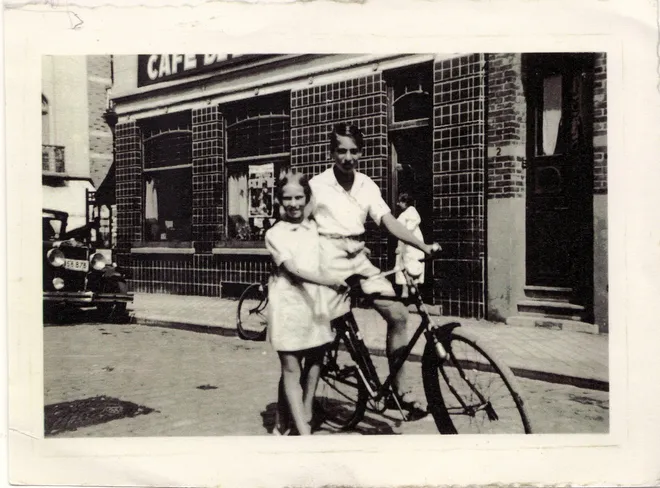
After being discovered by the Nazis in an Amsterdam hideaway during World War II, Schloss (then Geiringer) and her parents and brother Heinz were sent to Auschwitz/Birkenau.

On a train to Auschwitz, 15-year-old Eva promised her brother that if he did not survive the camps, she would retrieve the 17-year-old’s paintings and poetry he had hidden under the floorboards of his attic hiding place.

Eva and her brother Heinz.

Only she and her mother survived. For 40 years she kept her story to herself, because of the horror, and also out of deference to her stepfather, Otto Frank, who married her mother, Fritzi, after the war.

Frank had lost his daughters and wife in the concentration camps and was consumed with sharing Anne’s diary, which, like Heinz’s paintings, had been stashed in an Amsterdam-area hiding place.

Schloss began to speak out about her experience in the ’80s, after Otto Frank died, and traveled the world as a Holocaust speaker. That’s when her nightmares started to subside, Kerner said.

Schloss was part of the campaign to convince Mark Zuckerberg to ban Holocaust deniers from Facebook, and she is prominently featured in this year’s Ken Burns documentary, The U.S. and the Holocaust.

Schloss had focused generally on her family’s experiences during the war, not on her brother’s hidden artwork and poetry.

She realized that her brother’s story might die, unless she could bring attention to it.

She called Kerner to ask for her help in getting Heinz’s story out to the world. Kerner immediately thought of McCarthy, an Emmy-award-winning filmmaker previously with Dateline and 60 Minutes.

Given Schloss’ age, time was of the essence. Filmmakers visited her in London and then traveled to Amsterdam’s Dutch Resistance Museum, to which Schloss had donated Heinz’s paintings and poems in 2006.

They were able access to the house where Heinz had hidden his poetry and art. “We didn’t have a phone number, so we took the train and knocked on the door,” McCarthy said. “The people knew the story, were very warm and allowed us to film inside.”

To register for the event,click here. The event will also be streamed live on our YouTube channel.

Heinz Geiringer paintings are in an Amsterdam museum.

Posted in History | Leave a comment

Patrick Healy, a Newscaster Turned Historian, Strives Hard to Stump Optimists

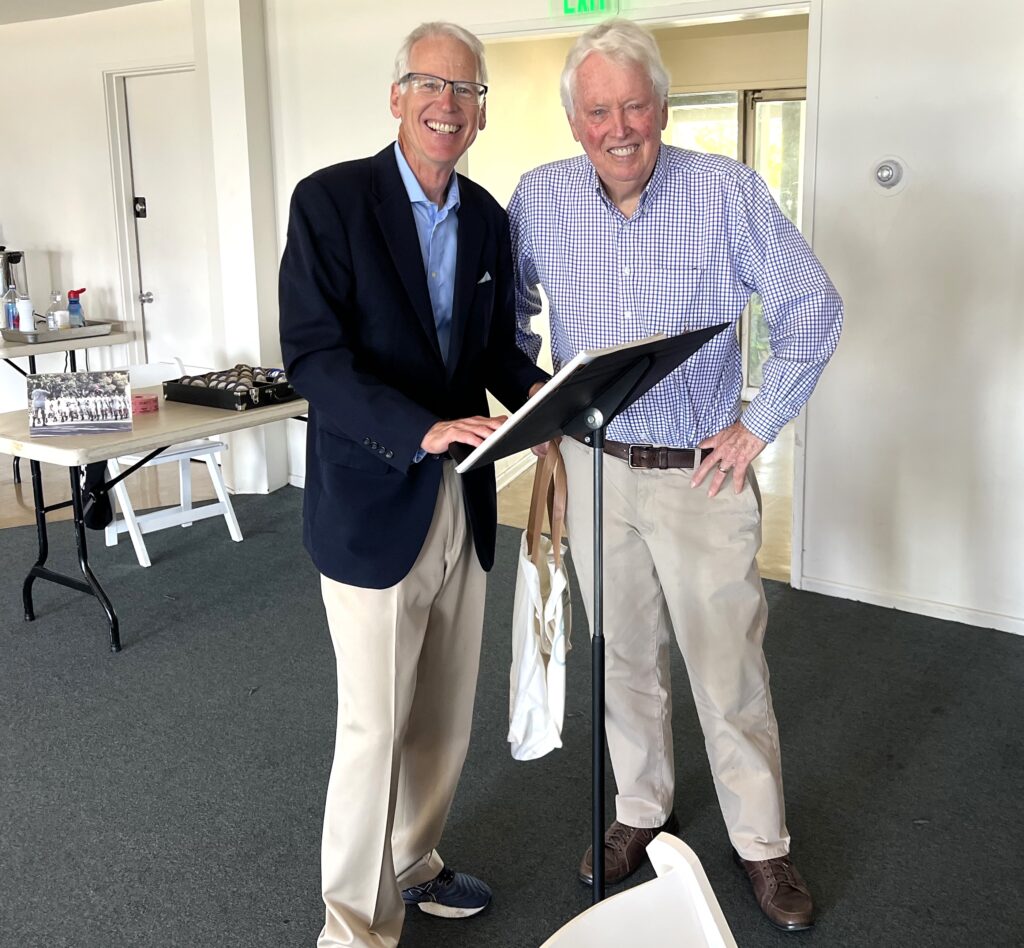
Patrick Healy (left) with fellow Palisades Historical Club member Bill Bruns at the Optimist Club meeting in Janes Hall at the Palisades Presbyterian Church.

Veteran NBC4 newscaster Patrick Healy, now retired, did his best to stump Palisades Optimist Club members with his historical presentation, “Pacific Palisades, Then and Now,” at their July 18 meeting in Janes Hall.

The Optimists, some of whom have lived in the Palisades since the 1950s, were a tough crowd, knew their history and were only too happy to shout out answers during the presentation.

But, Healy, a Pacific Palisades Historical Society board member who produced a 2022 documentary about the town’s history and the vital role played by the Methodist Church, finally stumped the group with the story of a church bell.

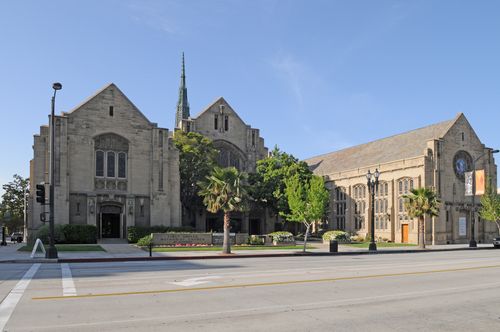
This bell was in the Pasadena Methodist Church, was moved to Temescal Canyon in the 1920s and then moved back to Pasadena.

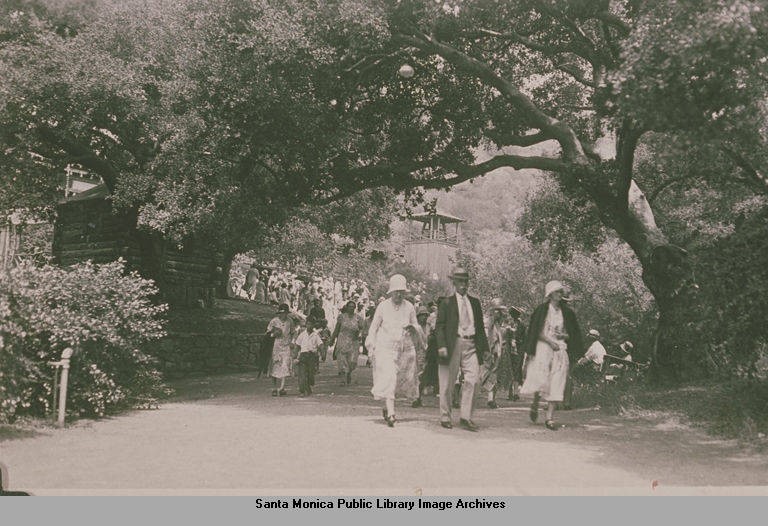
A bell that had been initially sent from a Massachusetts foundry to the Pasadena Methodist Church in the mid-19th century was the call to worship for the Chautauquas in Temescal Canyon in the 1920s.

How did that Pasadena bell wind up in Pacific Palisades?

Healy explained that December 10, 1891, windstorm toppled the Pasadena church steeple, which held the bell, and it fell onto the church roof. (According to a Star-News article, that same windstorm sent the Pasadena Presbyterian Church’s steeple onto Colorado Boulevard.)

In 1921, the Methodists purchased land in and around Temescal Canyon with the intention of building the greatest Chautauqua site in the country.

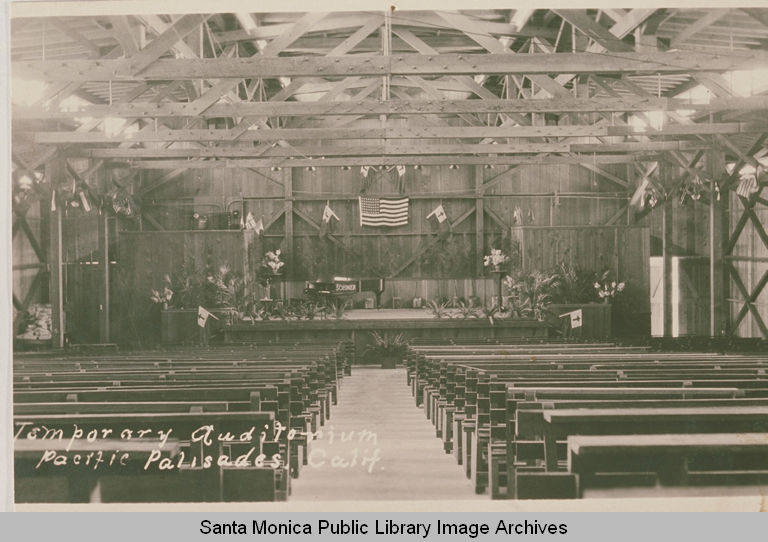
Pacific Palisades was subsequently founded in January 1922. By July, the founders had constructed a massive wooden auditorium, a cafeteria (still in use today), an outdoor amphitheater, 35 small cabins and at least 200 tent frames, so that visitors could be accommodated during a two-week Chautauqua.

This auditorium was in Temescal Canyon, just north of the dining room.                                             Photo: Pacific Palisades Historical Society 

“The Pasadena Methodist Church was a driving force in establishing the Chautauqua site in Temescal Canyon,” Healy noted.

According to local historian Randy Young, the newly-constructed auditorium held about 1,200 people. The Pasadena church bell and a bell tower were in place for that first Chautauqua.

The bell tower is in the distance.
Photo: Pacific Palisades Historical Society

Young said that during the 1960s, the auditorium and bell tower were razed, and that is most likely when the bell went back to Pasadena. The Methodist church had been rebuilt and reopened with a new sanctuary in 1924.

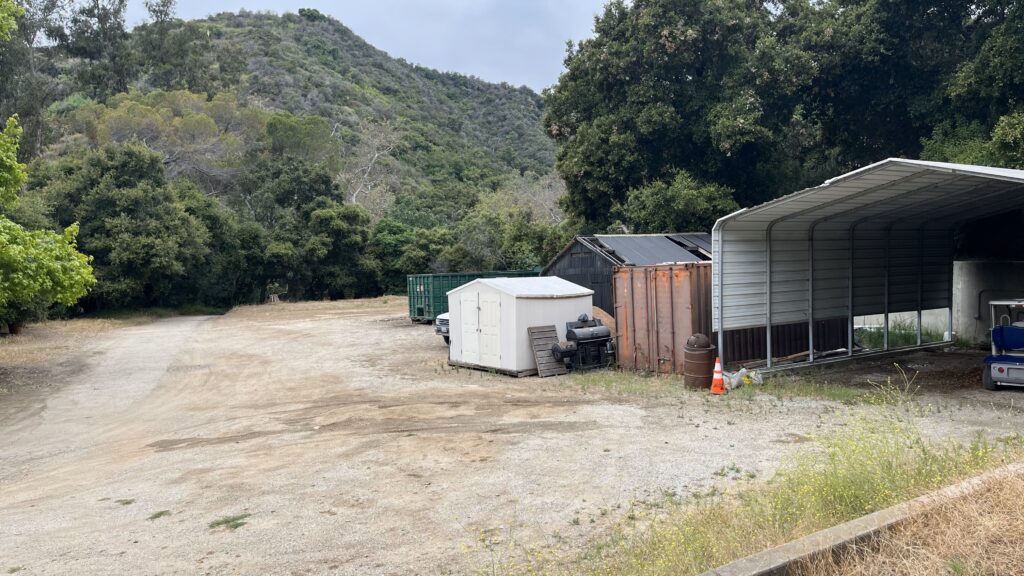
This is the area where the auditorium was situated, and serves as a back roadway and storage area.

The bell is now back at the courtyard of that church on Colorado Avenue and is rung by hand every Sunday morning.

Healy, a highly entertaining speaker and long-time Palisadian, won several honors for his exceptional television reporting. He was honored by the Radio and Television News Reporting Association (RTNA) with the prestigious Lifetime Achievement Award. In 2015, he was part of an NBC4 team that won a Los Angeles Area Emmy for “50 Watts,” a special about the historic riots of 1965. He was also part of an NBC4 team that won the 2012 Golden Mike Award from RTNA for best spot news reporting.

Last year, to help mark the town’s 100th anniversary as well as the Community United Methodist Church’s centennial, Healy researched, wrote and produced a 42-minute video history, “The Church That Started a Town.” There’s a link to this video at the PPHS website: www.pacificpalisadeshistory.org.

The bell went back to the Pasadena Methodist Church on Colorado and is now rung by hand on Sunday morning.

Posted in History | 1 Comment

DWP Allows Watering Three Times a Week

Thanks to heavy rainfall last year, Los Angeles residents may now water three times a week, according to a Los Angeles Department of Water and Power July 31 press release.

DWP customers have been limited to two-days-a-week outdoor watering restrictions for the past 13 months. The agency, in response to a three-year-drought and limits on the water supply from the Bay Delta and Colorado river, implemented the two-day restriction on June 1, 2022.

There was a record snowpack this past year and DWP wrote that the Mayor and City Council have approved the recommendation to three-days-a-week water.

“We want to thank our customers for continuing to lead on conservation and helping us exceed our water conservation goals,” said Anselmo Collins, LADWP Senior Assistant General Manager of the Water System. “Over the past year, Angelenos reduced their water use an additional 10%, which is a remarkable achievement considering this was on top of the substantial long-term water conservation our customers had already achieved.”

The return to Phase 2, which is three-days-a-week watering means customers with street addresses ending in odd-numbers may water on Mondays, Wednesdays and Fridays and customers with even-numbered street addresses may water on Tuesdays, Thursdays and Sundays, before 9 a.m. or after 4 p.m. (when the evaporation rate is appreciably lower than during the middle of the day).

Here are the rules:

Limiting outdoor watering with sprinklers to eight minutes per station on permitted watering days;

Watering with sprinklers using water-conserving nozzles are permitted for up to 15 minutes, twice a day, on the permitted watering day;

No water should flow off of a property;

No water should leak from any pipe or fixture;

No watering within 48 hours after a measurable rain event;

No hosing of driveway or sidewalk;

No washing of vehicles using a hose without a self-closing nozzle.

Not in the press release was where L.A. County or L.A. City is in the process of developing storage for rainwater runoff.

A January 2023 New York Times story (“In a Drought, California Is Watching Water Wash Out to Sea”) wrote that with nine storms, between December 20 and January 15, an estimated 18 billion gallons of water went into the ocean from the Los Angeles River.

In 2018, Los Angeles County voters approved Measure W, a special parcel tax that allocated $280 million annually for multi-benefit stormwater projects throughout the county.

Since its approval, the Los Angeles County Department of Public Works has awarded $400 million to over 100 regional infrastructure projects, such as the Rory M. Shaw Wetlands Park Project to convert a 46-acre landfill into a wetlands park that can collect stormwater runoff and the Tujunga Spreading Grounds facility in the San Fernando Valley doubled its storm water capture from 8,000 acre feet per year to 16,000.

But, according to Berkeley Law’s Legal Planet January 2023 story, it will take 30 to 50 years to build a stormwater capture system that will capture 98 billion gallons, of water annually. “Last year, L.A. collected only about eight percent of the water the county consumes in a given year,” the story noted.

The 2022-2023 rainfall total for Pacific Palisades (July 1 through June 30) was 32.1 inches of rain.

Posted in City, Environmental | Leave a comment

The Hollywood Sign Celebrates Its 100th Birthday

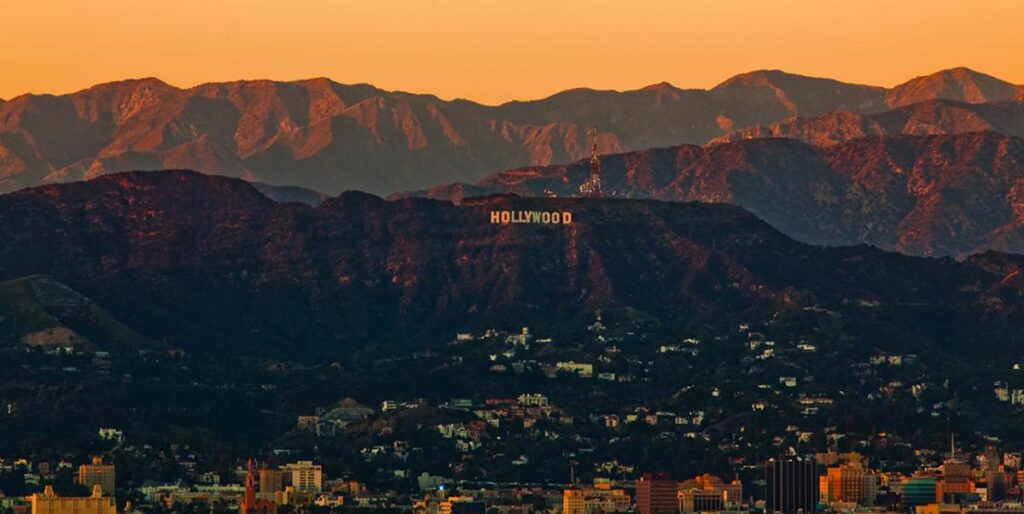
Keeping a vigil over romantics’ hopes, successes and even dashed dreams, the Hollywood sign is like a parent that watches over the city from afar, without judgment.

Arguably it may be the most famous sign in the world.

The famed Hollywood sign that was erected in 1923, celebrates its 100th birthday this year.

The sign was initially a billboard constructed by Los Angeles Time publisher Harry Chandler for $21,000 to promote his upscale Hollywoodland real estate development.

Local newspapers The Los Angeles Times, Holly Leaves, Los Angeles Record, Los Angeles Examiner and the Hollywood Daily Citizen write about the development, and the L.A. Times on June 10, 1923, wrote that by then, seven miles of road and been cut and 300,000 cubic yards of dirt had been moved.

The first mention of the sign was in a December article in the Holly Leaves about the Mulholland Highway that would extend “…from the western end of the (Griffith Park) road, under the electric sign of Hollywoodland, around Lake Hollywood and across the dam.”

Archives of historic photos taken as the sign was being erected, show workers carrying lights in frames or troughs. By the end of 1923, the Hollywoodland sign was erect with high-profile beacon lights.

Each of the original 13 letters was 30 feet wide and about 43 feet tall, constructed of 3×9′ metal squares rigged together by an intricate frame of scaffolding, pipes, wires and telephone poles.

According to the sign history, there was a giant white dot (35 feet in diameter, with 20-watt lights on the perimeter) constructed below the sign to catch the eye.

The sign itself featured 4,000 20-watt bulbs, spaced 8 inches apart.

At night the sign blinked first “Holly” then “wood” then “land” and then the entire Hollywoodland was lit, followed by a searchlight blast to the sky. The sequence was then repeated.

The land and sign were sold to Los Angeles in the mid-1940s, and in 1949, the Department of Parks and Recreation rebuilt the sign and removed the “land” letters.

The sign was dedicated as a Los Angeles historic-cultural monument in 1973.

The sign had come under further disrepair and in 1978 several celebrities raised funds to rebuild it. The letters were auctioned off for $27,500 a piece.

The nine donors and their letters were: H (Hugh Hefner), O (Giovanni Mazza, L (Les Kelley), L (Gene Autry), Y (Terrance Donnelly), W (Andy Williams), O (Warner Bros. Records) O (Alice Cooper) and D (Dennis Lidtkey).

The original wood support beams were replaced that year with metal and during renovation, Hollywood was without its sign for three months.

Since 1992, a nonprofit, The Hollywood Sign Trust has been in charge of maintaining and securing the sign click here.

The area around the Hollywood sign is restricted and touching or getting close to the sign is prohibited. On the Hollywood Sign website, there are three hiking trails listed that can bring people closer to the sign: Mt. Hollywood Trail, Brush Canyon Trail and the Cahuenga Peak Trail.

Posted in Film/Television | 1 Comment

Councilwoman Park Stops the Degradation of the Wetlands

Garbage from illegal dwellers found its way into the environmentally-sensitive Ballona Wetlands. Some of the RVs have now been cleared.

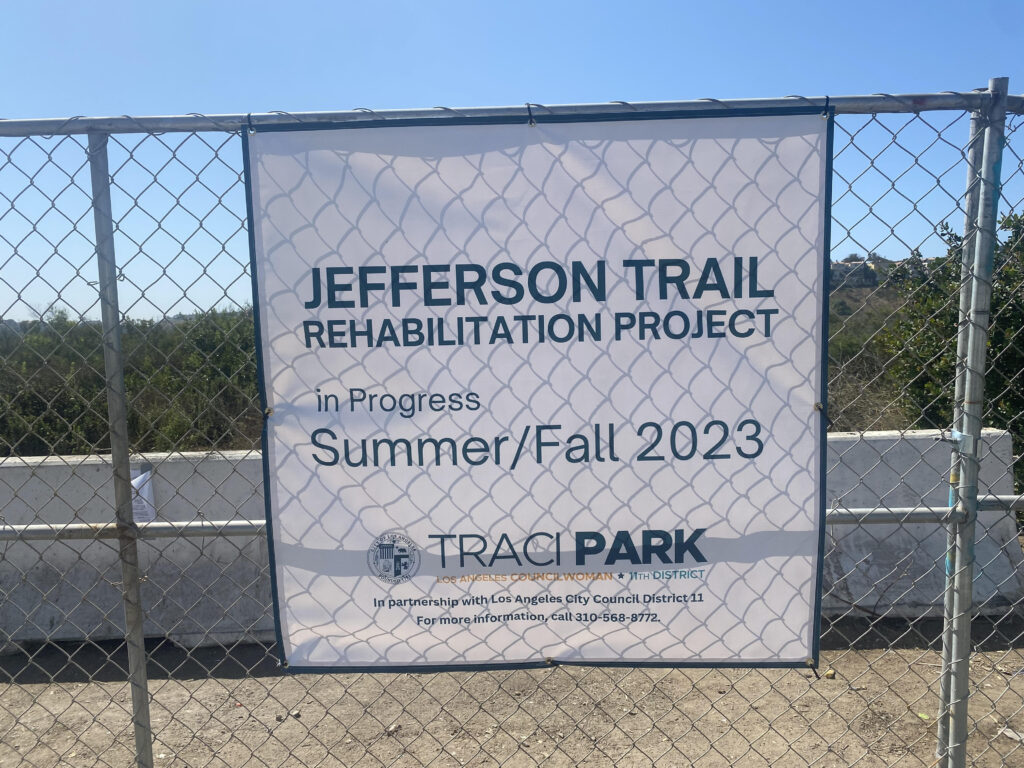
Councilwoman Traci Park has helped clear at least 1,000 feet of RVs at the environmentally sensitive Ballona Wetlands along Jefferson Boulevard in Playa del Rey.

“The large-scale RV encampment at our protected Ballona Wetlands has been symbolic of the city’s historic failure to address either homelessness or protect this essential environmental resource,” Park said in a July 27 statement. “I am proud and relieved to have begun the process of restoring this essential asset that belongs to the entire community.”

“The ongoing ecological degradation, fires, violence, and crime at this location should have never been permitted in the first place,” Park said. My only regret is that it took this long.”

RVs started lining and camping in this environmentally sensitive area in 2020, despite posted “No Parking” signs. Bird watchers and environmentalists begged city and state officials to assist wildlife by moving the RVs to another location.

L.A. City closed its operations for Covid starting in March 2020. During Covid, parking regulations were ignored.

The city reinstated parking restrictions in October 2020, but still nothing was done about the illegally parked vehicles in Ballona.

In October 2021, then Councilman Mike Bonin presented a motion, which the City Council approved, to spend more than $63,000 to remove six-tons of trash from Ballona along Jefferson. And Council passed a Bonin motion for a feasibility study to vacate the unimproved/unpaved portions of the public right-of-way and to perform a land survey and title search for properties.

He blamed his inaction to move RVs on “Management of the ecological resources in the Ballona Wetlands is currently impeded by misplaced jurisdictional lines. The City of Los Angeles lacks legal protection for habitat that lies within a public right-of-way that runs through and is immediately adjacent to State-protected land.”

In April of 2022, Los Angeles City voted to lift the moratorium on recreational vehicles and in a L.A. Times story (“Los Angeles Left Moratorium on Towing RVs, Pledges to Move Problem Campers) wrote “City officials say they will begin to enforce the regulation next month, prioritizing RVs and campers that are unregistered, inoperable or heavily damaged, as well as ones that interfere with construction, pose a safety hazard by blocking driveways or traffic or have had multiple responses from the Department of Sanitation.”

LADOT was directed to cite and tow abandoned and oversize vehicles and to resume parking enforcement for vehicles that were used as dwellings that were found to be in violation in any of these categories: 1) traffic safety hazard, 2) public health hazard, 3) environmental hazard, 4) inoperable vehicles and 5) unregistered vehicles.

Bonin still refused to do anything about the scofflaws. His inaction worsened the environmental situation for the millions of birds that fly along a 7,500-mile migratory route between northern Alaska and the southern tip of South America.

“The RV dwellers are destroying these habitats,” Friend of the Jungle’s Lucy Han said in an August 2022 CTN story (https://www.circlingthenews.com/support-the-ball…s-write-a-letter/) “They are defecating, urinating, dumping septic tanks, disposing of hypodermic needles in these environmentally sensitive habitats. Stolen vehicles, bike chop shops and a meth lab exist here. The dwellers have assaulted residents. Others have been shot at. A murdered body was found in the Wetlands.
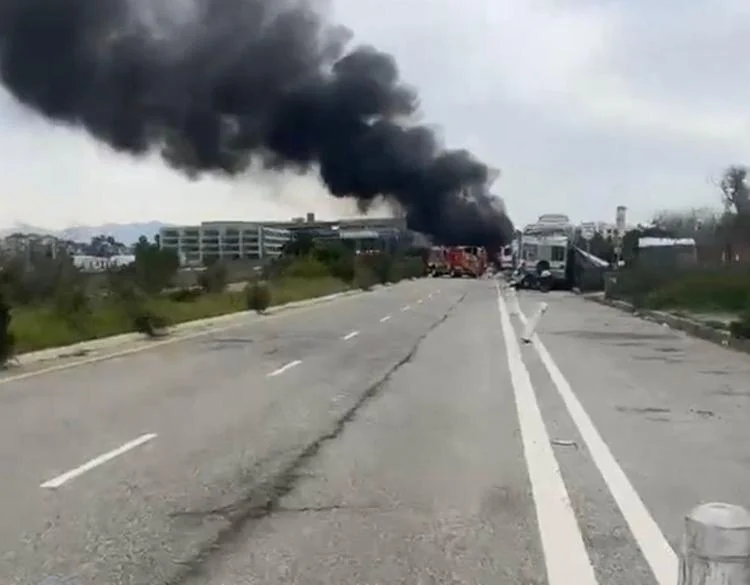
This was one of many fires started near RVs in the Ballona.

“The dwellers were responsible for a five-acre fire last year. There have been several more in the past month,” Han said. “Santa Anas could blow a wildfire onto the adjoining Gas Company and ignite their gas tanks causing a major explosion. Thousands of residents would be affected and possibly killed.”

Han said to City and State officials, “We are pleading with you to tow the vehicles from the Ballona Wetlands and marsh. Councilman Bonin REFUSES to support parking enforcement here.”

But, Bonin claimed to be an ardent environmentalist, . . . and wrote on his website that had overseen completion of Prop O water quality projects in his district.

CTN contacted other officials about Ballona.

Mayor Eric Garcetti pointed to L.A.’s Green New Deal in 2019, and L.A. County Supervisor Holly Mitchell’s website noted “I have supported legislation that increases investments in our natural ecosystem and places California on track to 100% renewable energy by 2045.”

State Senator Ben Allen, who chairs the Senate’s Environmental Quality Committee, and is overseeing the state’s climate goals, was stymied about the wetlands, which he felt was a City issue.

In the Dr. Seuss book The Lorax, Seuss writes, “I am the Lorax. I speak for the trees. For the trees have no tongues.”

Officials deferred to Bonin, which meant no one spoke for the birds, plants or water.

During 2021, Bonin was subject to a recall. Even though organizers said they had 39,000 signatures, they were short 1,352. Bonin decided not run for reelection for Council District 11.

Traci Park was elected in November 2022 and took office in December.
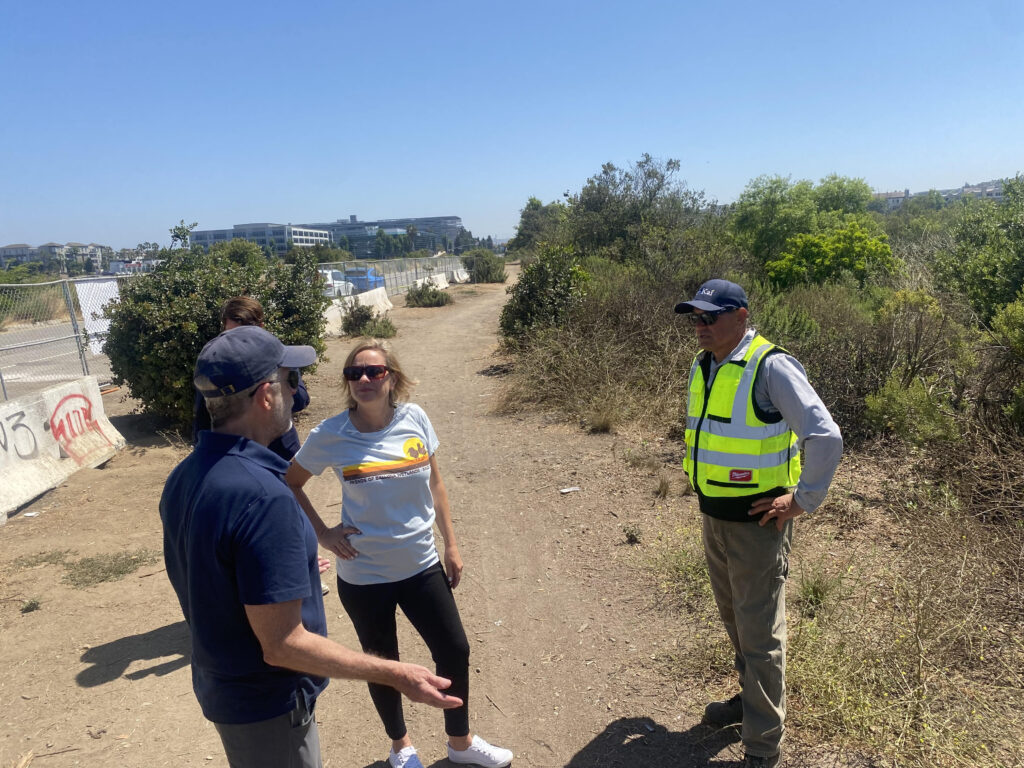
Councilmember Traci Park at Ballona after many RVs were removed because they were in an environmentally-sensitive area.

“I was elected last year with a commitment to address our homelessness crisis and that is exactly what my office had been doing,” Park said in July 27 statement. “I want to thank Mayor Karen Bass, LAHSA (Los Angeles Homeless Services Authority), Friends of the Ballona Wetlands, and community activists and partners who have fought long and hard to help me deliver the results.

“We’ve only begun the process, and this will be ongoing for as long as it takes to return the Ballona Wetlands to our community in a far better condition than we found it,” Park said. “Our team has been doing continuous outreach for many months with individuals at this location. We are pleased that some accepted services and disappointed that others declined and will continue to work with them.”

Operations to clear the Ballona of illegally parked vehicles started in March and  will continue through August.

Finally someone speaks for those who can’t: Park speaks for the wildlife at Ballona.
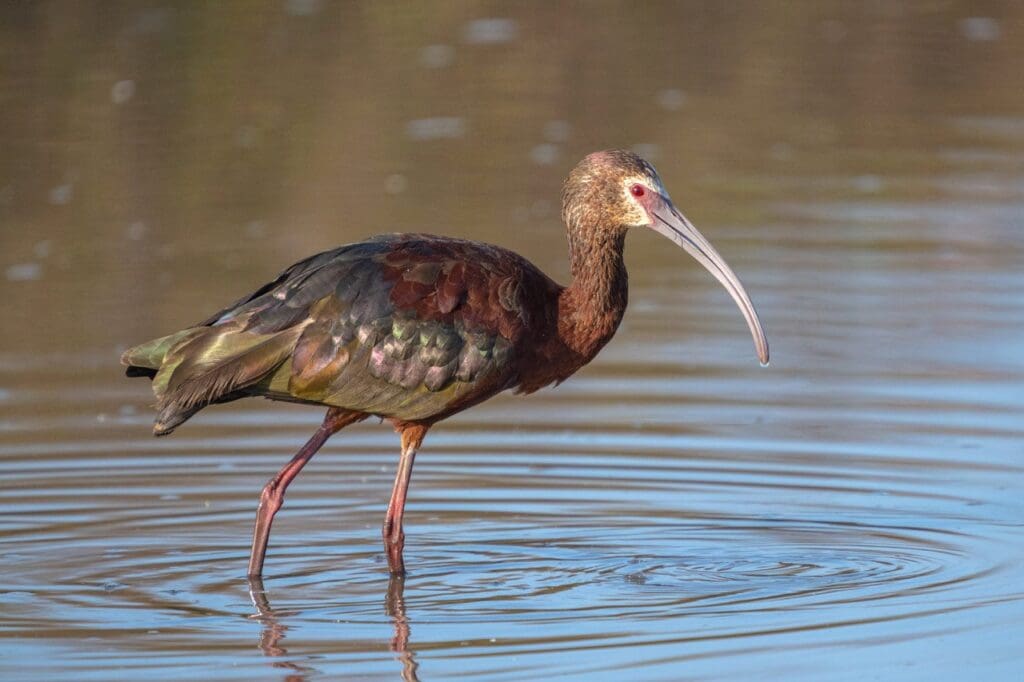
Birds, such as this white-faced Ibis, found at the Ballona Wetlands need advocates.
Photo: Paul Reinstein

Posted in Animals/Pets, Environmental | 4 Comments

Residents Need to Contact Officials about Temescal Canyon Road


Last week, Bureau of Street Services officially closed off a downhill lane of Temescal Canyon Road.

It might be helpful if Pacific Palisades residents weigh in with the Bureau of Street Services and with Councilman Traci Park’s office about a fix for Temescal Canyon Road (contacts at the end of the story) before Palisades High School resumes on August 17 with students.

The road which has been under resurfacing since November 2022, has now been repainted to have only one downhill lane for part of the road.

Bureau of Street Services Senior Advisor Dan Halden sent a July 27 email update to several community members.

“The Bureau of Engineering (BOE) has developed a mitigation plan to address the seepage. It will involve some trench work and the installation of an underground pipe that will prevent the water from continuing to damage the surface of the roadway.

“Once the trench is dug and the pipe is installed, asphalt will be laid on top, once again making the street whole,” said Halden, adding that funding needed to be found to complete the job and a decision had to be made who will do it, the City or an outside contractor.

CTN wrote Halden on July 27 and asked, “Will this road be fixed before Palisades High School resumes with students on August 17–there are nearly 3,000 students at that school – which is just up the street from the now single lane. The road is heavily used during the school year.

“If Palisades has to undergo an evacuation, again, because of a fire, there are only three roads in and out of Pacific Palisades and this is one of them– Is there no emergency money available to ensure the safety of the residents if they are required to evacuate?”

He responded the same day, “I’ll get back to you once I have a bit more information.”

Councilmember Traci Park’s office was asked for a comment and also responded, “Our office has been in contact with the Bureau of Street Services in regards to the Temescal Canyon Road project. We are working to get the community more information and will pass it on to you as soon as we have it.”

This lane has been repaved twice, but started buckling because an underwater source was not initially  identified. An underground pipe will need to be installed.

President of Pacific Palisades Community Council Maryam Zar wrote Halden on July 28, “I’ve talked to some folks at LAUSD and they implore street services to please prioritize the repair of Temescal Cyn Rd. and its restoration to full working order, asap.

“Is there anything the community can do to help bolster the priority of this work? I can certainly ask PPCC to express our sense of urgency to the Council Office and BOE,” Zar wrote. “I think Pali High Admin would also be willing to urge timely repairs prior to school opening and I’m sure the parent Booster club would also be willing to chime in. Would the voice of the community help spur some urgency?”

Zar also cc’d Park’s field deputy Michael Amster and asked, “Can the Council District use discretionary funds on this until a reimbursement perhaps from BOE can be secured?”

Lou Kamer, who is the transportation advisor for PPCC, sent a July 28 email to Halden. “Temescal is one of three primary evacuation routes in case of wildfire or disaster, as well as the route for students and teachers from over 120 zip codes throughout L.A.

“Additionally, at Temescal/PCH, the signal timing is fixed by Caltrans to limit congestion on PCH. It will not automatically adapt to backup caused by lane closures,” Kamer said. “This already causes significant backups during the school year on Temescal to Bowdoin even without any lane closures.

“To minimize disruption, unnecessary cost and involvement of multiple agencies (including OEM, LAPD, LAUSD, Caltrans, LAFD and LAPD) it would be best to complete the repairs before it becomes an issue.

“Please let me know if there is anything we can do to help achieve this or if we need to involve all agencies to reduce the impact of this issue,” Kamer said.

Bill Bruns added, “Somehow, the Caltrans people have to be brought to the table — and explain how they operate the timing for the Temescal signal. Even in late morning, early afternoon, with PCH traffic moving along quite well, the green light from Temescal to PCH–with traffic backed up on Temescal–will last only 30-45 seconds, creating an even longer wait for cars, all of them idling and emitting toxic fumes.”

Contact: Halden at [email protected], contact Amstar at Michael.Amster @lacity.org and Park at [email protected] and Caltrans [email protected].


Posted in City, Community | 3 Comments

Week Three: Plager Reports from Yokohama

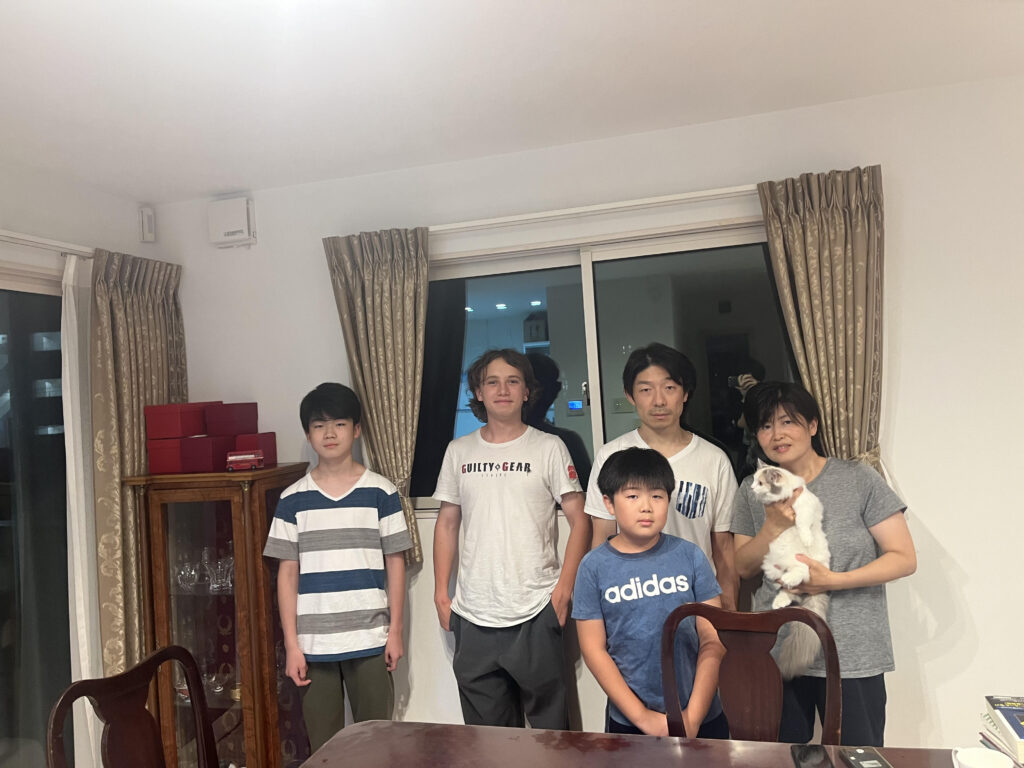
Chaz Plager is staying with the Nakazono family, that includes parents Akihiro and Noriko and three children Yoshiaki, Tomoaki and Haruaki. Tomoaki took the photo.


By CHAZ PLAGER.

I’m reporting from Yokohama, a seaside town an hour from Tokyo. More specifically, I’m reporting from the Nakazono family residence as students head into the last part of our trip.

The last part of the Experiment’s program involves a homestay, where members must use their learned Japanese and cultural knowledge to live with a Japanese family for five days.

I was placed in the household of Akihiro and Noriko Nakazono and their three children, Yoshiaki, Tomoaki and Haruaki. They have been nothing but kind to me, and I’ve enjoyed teaching their youngest, Yoshiaki, to play Dhalsim in Street Fighter.

Noriko takes care of the home, while Akihiro works as a consultant for businesses. On a single income, they can comfortably afford a three-story house in the suburbs, which caused me to feel what I suppose is a kind of “culture shock”-  a large house in a nice neighborhood with three kids and they can afford it all on one income. Can you imagine anywhere like that in America?

Here’s what Yokohama has to offer.


THE GUNDAM

Gundam

It’s the Gundam, from Gundam. (Editor’s note: The Gundam is a Japanese military science fiction media franchise that features giant robots, or mecha, with the name “Gundam.” The franchise began in 1979 and by 2022, the annual revenue of the franchise reached 1010.7 billion yen per year.)  

Life sized, it moves on its own, and plays the show opening theme as it does so. It’s a dream come true for a fan like me, and one of the things I knew I had to do since the start of the trip. I implore all my readers hungry for good TV to watch Mobile Suit Gundam— it’s one of the best shows I’ve had the pleasure of watching, and all spin-offs are also excellent. Except SEED. Don’t watch SEED.


CUP NOODLE MUSEUM:

A museum detailing the history of Cup Noodles. The museum is five stories tall and includes a workshop where you can make your own noodles. I made my own “Special Blend”, including kimchi, mystery meat, pork, and green onion. It wasn’t great. Noodle lovers will enjoy it thoroughly.


TEMPLE OF THE GREAT BUDDAH:

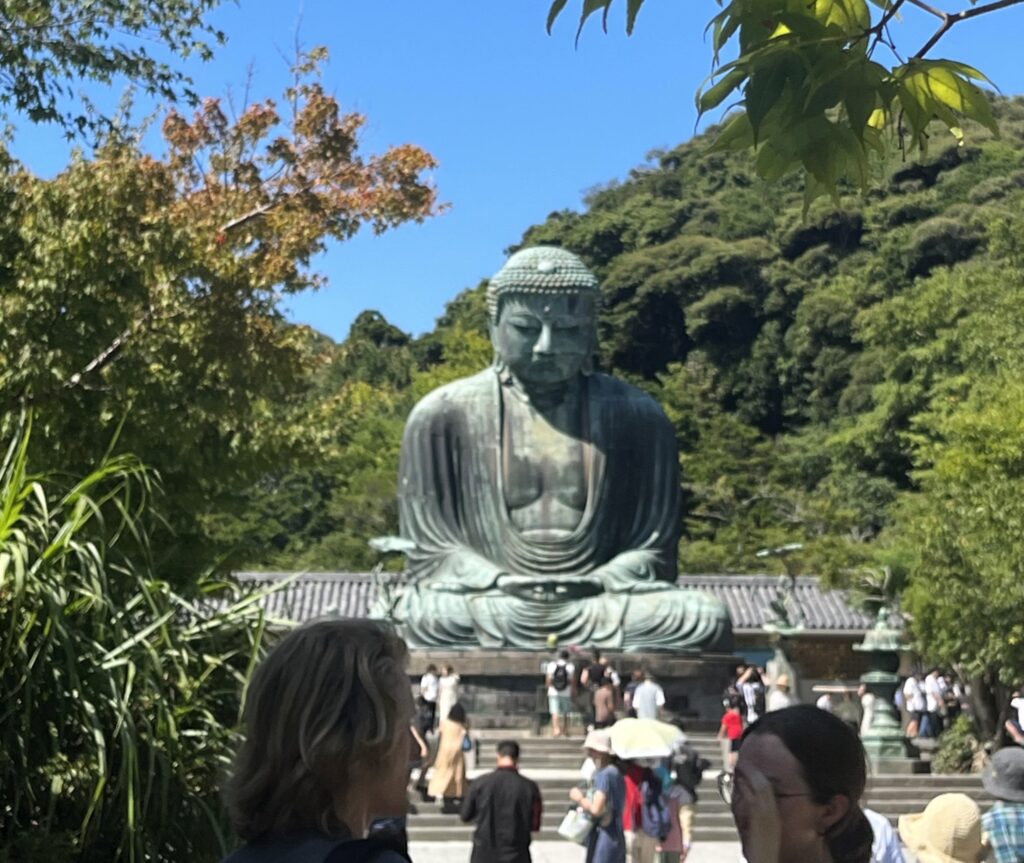
A temple with history embedded in each orifice and a massive, 30-foot-tall Buddha statue looming over it all creates an atmosphere like no other. Located in Kamakura, the temple was created in 1248 AD by followers of the Jodo sect of Buddhism.

The inside of the statue is hollow, and many visitors have left graffiti there, including an American couple who wrote their names inside a heart. (I wonder if they wanted his blessing?) I accidentally gave the Buddha American money when making an offering— here’s hoping it isn’t offensive to him.

Starting Monday, our group will be attending classes at Yokohama Hiranuma High School, meeting and talking with students of the International Communication Club. I look forward to sharing my culture and learning more about theirs— It will make me a better journalist along the way. As we head into the last week of this incredible experience, I have to thank all who’ve read my articles.

Posted in Viewpoint | 3 Comments

Temescal Canyon Moat Suggestion Appears Sound


The City placed barriers to warn drivers of the unsafe road conditions caused by water leakage. The downhill two-lane road forced drivers into a single lane.

Circling the News has jokingly said that the City might need a moat to fix Temescal Canyon Road, which has been under construction/resurfacing since November 2022.

The City has now identified there is water under the street, but to fix it, a funding source will need to be identified.

L.A. City Bureau of Street Services Senior Advisor Dan Halden sent a July 27 email update to several community members.

“Even though the street has been resurfaced twice, there are underlying water issues which is the cause of the recurring challenges on this section of Temescal Canyon Road,” Halden wrote.

“The Bureau of Engineering (BOE) has developed a mitigation plan to address the seepage. It will involve some trench work and the installation of an underground pipe that will prevent the water from continuing to damage the surface of the roadway.

“Once the trench is dug and the pipe is installed, asphalt will be laid on top, once again making the street whole,” Halden said.

And then the capper, “City crews are evaluating the cost, funding availability, and time needed to bring this to fruition. It is unlikely to be a major job in terms of duration, but the funding availability — as well as a decision on who does the job, whether it’s City forces or an outside contractor — must first be determined,” Halden said.

In the meantime, Temescal Canyon Road is one of only three ways in and out of Pacific Palisades. If there is an evacuation, having only one downhill lane to access Pacific Coast Highway, could be a major issue.

Once Palisades Charter High School resumes on August 17, close to 3,000 students use that roadway Monday through Friday.

Since this is a major evacuation route, Halden was asked about an urgency in identifying funds. He responded, “I’ll get back to you once I have a bit more information.”

Councilmember Traci Park’s office was asked for a comment about the roadway and a possible funding source. Spokesperson Jamie Page said, “Our office has been in contact with the  Bureau of Street Services in regards to the Temescal Canyon Road project. We are working to get the community more information and will pass it on to you as soon as we have it.”


Posted in City, Community | 2 Comments