Garbage Pick-Up Tomorrow to Be Delayed Because of Strike

Sanitation workers will be on strike tomorrow August 8.

City employees who are represented by SEIU local 721, including sanitation workers, traffic officers and engineers, have authorized a one-day strike on Tuesday, August 8.

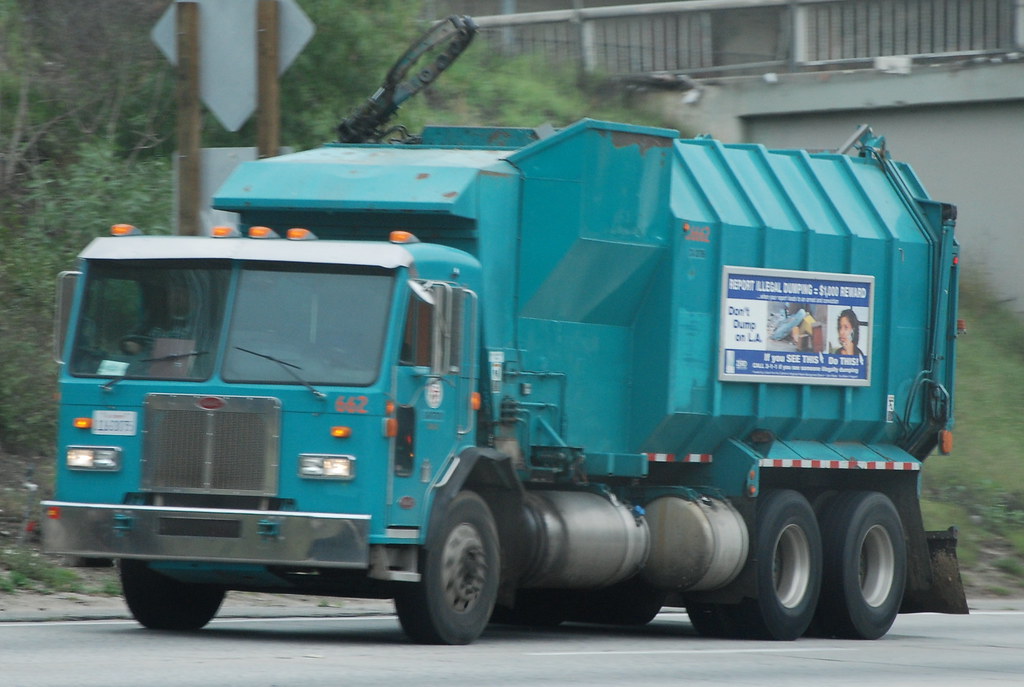
For Pacific Palisades residents that means garbage day on Tuesday will be delayed by a day.

CTN contacted Councilmember Traci Park’s office and spokesperson Jamie Page responded, “We are still waiting for specifics. Right now, it looks like trash days are being pushed back a day. So, if you had trash pickup scheduled on Tuesday–it will now be Wednesday, and throughout the week.”

Los Angeles City Council President Paul Krekorian also recommended that airline passengers departing from Los Angeles International Airport plan to arrive an hour earlier than normal due to possible picketing at the airport.

According to the Los Angeles Daily News August 7 story (“Service Disruptions Warned as LA City Workers Ready for Tuesday’s One-Day Strike) “workers plan to picket for 24 hours at various locations, including City Hall and LAX.

“Union officials said the workers will meet at 11 a.m. Tuesday at City Hall for a march and rally, though picket lines will begin as early as 4 a.m. at sites throughout the city,” the News wrote.

The union ratified a one-year agreement with the city in November 2022 with the understanding the two sides would return to the bargaining table immediately after the winter holidays, SEIU Local 721 Chief of Staff Gilda Valdez told the Los Angeles Times. The city and union would then negotiate over a number of smaller specific proposals, she said.

But the union said the City “refused to bargain in good faith.”

The union, representing more than 95,000 public sector workers in Southern California, voted overwhelmingly in May (98 % approval) to authorize an Unfair Labor Practice strike if negotiations stalled, which means tomorrow workers are on a one-day strike, hoping to prompt a new agreement.

In a statement last week, union officials said, “the city has flat-out refused to honor previous agreements at the bargaining table, prompting workers to file charges alleging unfair labor practices with the city of Los Angeles Employee Relations Board.”

The last strike by LA City workers was in November 1980.

Mayor Karen Bass issued a statement Saturday saying Los Angeles officials are available around the clock “to make progress” on contract negotiations.

Posted in City | Leave a comment

Behind the Post: The LA Times Propagandizes on Behalf of Bonin’s Favorite Developer

Proposed Venice Median Project

(Editor’s note: The story first ran on the Westside Current on August 7 and is reprinted with permission.)

This is the area that the Venice Median project would occupy. The $86-million project would give a $3.3 million developer fee to Venice Community Housing and Hollywood Community Housing.

By ANGELA MCGREGOR

The L.A. Times ran a July 30 editorial (“Are L.A. leaders trying to sabotage homeless housing in Venice?”) that suggests that the sole reason the project formerly known as Reese-Davidson hasn’t yet been built is because city officials, in particular the city attorney, Hydee Feldstein Soto, are “slow-walking” or possibly “sabotaging” it.

The article – which appears to have been produced at the behest of Venice Community Housing Corporation CEO Becky Dennison (who is the only source quoted at length) — ignores so many fundamental facts about the project’s long and troubled history, it is difficult to view it as anything other than propaganda.

Rather than illustrating the article with a rendering of the massive project, the Times chose a heart-rending photo of Rebecca Dannenbaum, described as a 48-year-old unhoused woman currently living with her dog in a pedestrian tunnel near the Venice canals.

But that is hardly her whole story.  In 2018, Dannenbaum told Fox News LA she was enjoying living in a van she was renting from the Venice Vanlord for $450 a month.  In 2019, she made headlines (and sparked local debate) when she floated a makeshift barge in the Venice Canals she said was for “storage.”

By January of this year, she told KCRW that she had moved from the encampments on Hampton Avenue into A Bridge Home in Venice (ABH).  It’s unclear at what point she and her dog left ABH for the pedestrian tunnel where she was photographed for the Times article, or why. According to police records, since 2013, the 54-year-old  has been arrested nine times, mostly for selling drugs.

The article itself is as lacking in factual context as the Dannenbaum photo’s caption, beginning with the implication that without this massive, controversial and expensive project Venice would have no housing options for the homeless.

There are currently more permanent supportive and low-income units under construction in Venice Beach — including a project Venice Community Housing (VCH) is building on Lincoln Boulevard which wasn’t mentioned in the article — than would be created in the proposed Venice Dell project.

And this doesn’t include the dozens of affordable units planned for the site of the First Baptist Church in Oakwood, nor the mandated affordable units to be included in the project which will eventually built on the Metro Yard, the current site of the 154-bed Venice A Bridge Home.

The article describes the lot in question as “surplus city property”, but in fact it contains a much-used beach parking lot as well as an apartment building that houses four low-income tenants.

The developers are mandated by the Venice Coastal Zone Specific Plan to retain the 194 parking spaces, and the proposed design of the project does so with elaborate, expensive parking towers utilizing mechanical lifts.

The parking proposed to replace beach parking would employ a series of lifts.

In total, according to VCH’s own numbers, the project is expected to cost more than $86 million, including a $3.3 million developer fee to Venice Community Housing and Hollywood Community Housing.  This figure doesn’t include the parking.

According to the Times, the project has “hundreds of supporters in Venice, but it also has hundreds of opponents,” implying that the community is about equally divided in its regard for the project.

In fact, the Venice Neighborhood Council, elected with more votes than any other NC in Los Angeles, has voted down the project three times, primarily due to the developers’ insistence that it doesn’t require a full CEQA review, despite being located in a tsunami flood zone, within a site located on the National Register of Historic Places, within the dual Coastal Zone and requiring a major zoning change and numerous waivers.

Even the granddaughter of one of the prominent Venetians for whom the project was initially named — pioneering African American builder Arthur Reese  — strongly objected to the project, stating “My grandfather would be appalled. This is not suitable now and is not smart planning for the future growth of our population, particularly knowing that it is families of Color and with lesser economic means that need access to the beach to escape our ever hotter climate.”

After Sonya Reese Greenland filed a cease-and-desist letter to both Becky Dennison and Sarah Letts of HCHC, the project’s name was changed to the “Venice Dell Community.”

Traci Park, who last year was elected to represent CD11 with more votes than any other councilmember candidate, told the Current during her campaign that she would, “squash this on day one. Not only did the VNC vote it down, over 1,000 community members have objected to this, it violates the Venice Local Plan, it violates CEQA, it violates the Coastal Act, it’s a waste of money, it’s wrong for the community, it’s a no go, it’s done.”

She urged the Council to refrain from further action on the project until after she was seated in January “in order to bring new vision, collaboration, and leadership to resolution of the outstanding issues.”

But the Times maintains that Park should now support the project since “it was approved by the City Council before they were elected and should not be undone now,” as if her primary directive is to uphold the agenda of her predecessor even if it conflicts with the wishes of her stakeholders or the platform upon which she ran.

Dennison’s primary complaint in the Times article seems to be that “city officials in various departments stopped meeting regularly” with her in April, no doubt signaling the end of her extraordinary access and support within City Hall, after eight years of unwavering support from former CD11 Councilmember Mike Bonin.

As exclusively reported  Click here. Bonin’s support for VCH culminated with a $27,500 gift of taxpayer funds to them on the day his chosen candidate for CD11 Councilmember conceded the election to Park.

Dennison appears to be mainly frustrated with the City Attorney, who instructed housing officials to refuse to sign and submit the developers’ application to evict the families living on the property, some of whom have been there over 30 years.

The Times characterizes this as “City agencies’ refusal to interact with the developers — at the direction of the city attorney’s office.”

But as both the Times and Dennison should know, it is not legal to evict tenants in order to accommodate a project which has yet to receive a building permit, and the permit for this project cannot be issued until the Coastal Commission’s ruling on the project, which has been delayed three times due to incomplete applications from the developers.

We reached out to the City Attorney, Hydee Feldstein-Soto, for comment, and were told that her office has no response to the Times’ article at this time.

Feldstein-Soto is tasked with defending the City in litigation brought against it by the Coalition for Safe Coastal Development, a local non-profit suing to stop the project because, as stated in their opening brief, “There might be a safe version of a supportive housing project for this site that does not also substantially impair the public’s constitutional right to access coastal/marine resources and violate so many other important laws, but this Project is not that project. Affordable housing remains a societal priority, but legal safeguards cannot be ignored to green light a flawed project concept or location.”

Nowhere in Safe Coastal Development’s brief does the group contend that (as the Times states) “the project will make the neighborhood susceptible to tsunami flooding.”  However, the advisability of placing a population this vulnerable in a project this costly in an existing flood zone (exacerbated by an ongoing climate crisis) has been brought up at every Venice community meeting about the project.

Safe Coastal Development’s case is currently scheduled to begin in late October, likely after the Coastal Committee’s ruling, which is due sometime in October.  In the meantime, Mayor Bass and other city officials should consider the full picture when determining the merits of this controversial and expensive project.

Becky Dennison (at podium) is the CEO of the nonprofit Venice Community Housing, which received a $27,550 gift of discretionary funds from Councilman Mike Bonin as he left office.

Posted in City, Councilman Mike Bonin, Homelessness | 3 Comments

Week Four – Plager’s Final Report from Japan

The Americans watched fireworks while in Yokohama, Japan.
Photo: Cherry Aye

(Editor’s note: Chaz Plager, who will be a senior at Palisades High School and started writing for Circling the News last year, went to Japan for a month as part of a cultural exchange with a group sponsored by The Experiment in International Living, which was founded in 1932. Plager had taught himself how to speak Japanese during Covid. Before he left, he agreed to send a weekly report that CTN could share with readers. This is the fourth and last installment.)

By CHAZ PLAGER

Reporter Chaz Plager here for my final correspondence in Japan.

The last days of The Experiment’s exchange program involved a stay with a host family. As I documented in Week Three. I’m staying with the Nakazono family, who live in Yokohama, a seaside town.

During the day, I attended classes and activities at Yokohama Hiranuma High School. Here are some of the highlights and interesting events:

Much like the name implies, being an exchange student involves an exchange of cultures between natives and foreigners. Our exchange with members of Hiranuma High’s Class 2-2 produced some interesting insights.

 Japanese student: Does your school have uniforms?

American: No. None of them do, except the rich ones.

(Class murmurs)

Japanese student: Then, what do you wear to school?

American: Usually just my pajamas.

(Class in uproar)


Japanese student: Does California have trains?

American: Yes, but they’re very dirty. And there are lots of crackheads on them.

Japanese student: Crackhead…?

The American student gestured to me and I translated in Japanese “Drug addicts.”

Japanese student: (shocked gasp)


Japanese student: What music is popular in America?

Me: Uh… Kendrick Lamar?

Japanese student: Oh, is he a rap artist? The ones who swear a lot?

Me: Well, yeah, but…

Japanese student: Cool! I will listen later.


American: A lot of girls from my school are jealous of you guys. They think your uniforms are so cute.

Japanese student: You say that, but we are jealous of you. We can’t even wear accessories with our uniforms.

American: Not even a ribbon?

Japanese student: Not even.

American: Not jealous anymore.

Americans who were part of The Experiment, spent a week in a Japanese High School, interacting with students.

Members of our group also created individual presentations on certain aspects of American culture. I chose fashion, educating students on trending brands and styles.

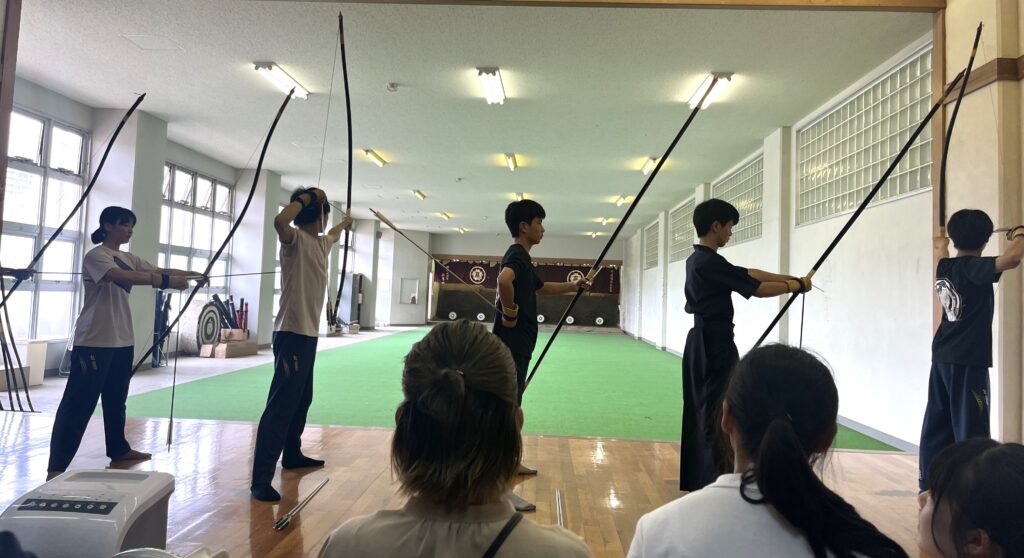
Japanese students treated us to demonstrations of their tea ceremony club, archery club and band program. We were able to participate in a ceremony, shoot targets and watch students perform in the auditorium. It was incredibly fun, both talking to students and participating in their activities.

There’s a very simple sort of joy in talking about the things you love and why you like them, which might be a strong draw of this program.

Not everything shared was positive, however. One student, Nozomi, talked to us about her fears for Japan’s future. “The politicians are very dirty, and they don’t want to fix the corruption,” she said. “The economy is also going in a bad direction. I want to move to America as soon as possible.”

Nozomi also explained the Nakanuki system, which is an issue with Japanese economy. She said that when Japanese companies make something, they ask smaller companies to make it to save money or labor costs. The boss of the company can get surplus money to do it. Then that company asks smaller companies to make it to save money and that boss gets the surplus money.

Nozomi said the process repeats many, many times, and that brings a low salary for most email companies and lowers merchandise’s quality and makes workers poor.

FINAL VERDICT. After spending a month in Japan, were my expectations met? Was it everything I hoped it would be? Would I consider moving there? Yes, yes and yes, probably.

Ironically, it’s hearing stories of the negative sides of Japan which make me more certain of my choice— the way they talk about things so common in America in grave, serious tones makes me believe that there may still be hope for them, no matter the problems they may be facing now.

After college, I plan to join the JET (Japanese English Teaching) Program, putting my Japanese knowledge to good use in ways other than translating games for fun.* I believe this trip is one I will look back fondly on, both for the bonds I formed and experience I gained. As for whether it will make me a better journalist, I hope so.

The Americans were able to participate in a Yokohama Hiranuma High School archery class.

Those interested in applying to The Experiment, please visit (www.experiment.org).

*Yeah, I translated a game. It’s free. You can grab it here: https://vndb.org/r104621

Posted in Viewpoint | Leave a comment

Viewpoint: Affordable Housing Exists in Pacific Palisades, Despite Statements to the Contrary

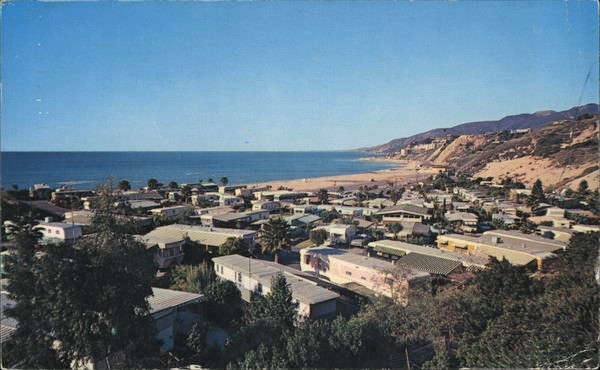
The Palisades Bowl mobile home community in Pacific Palisades is considered affordable housing. It is one of three mobile home parks along the coast.

“There you go again,” was a phrase spoken during the second presidential debate of 1980 by Republican presidential candidate Ronald Reagan to his Democratic opponent, incumbent President Jimmy Carter. Reagan used the line in several debates over the years, always in a way intended to disarm his opponent.

Pacific Palisades residents should put that line in their pocket and pull it out every time someone says “there’s no affordable housing here.”

When Mike Bonin was City Councilman for this area, he often stated that there was no affordable housing in Pacific Palisades. He was wrong. There are at least 549 units in a town of 28,000.

When this community was founded in 1922, it was so far removed from the rest of Los Angeles that it was not considered a prime location to live. But when Beverly Boulevard (now Sunset) was paved between  Beverly Hills and the Palisades in 1926, and Roosevelt Highway was completed through Malibu in 1929, the town gained easy access to the outside world.

It was still not considered a desirable location, such as Beverly Hills or Hancock Park, and even with Will Rogers moving here to live on his ranch, the area was seen as an outlier. The Santa Monica Mountains to the north and the ocean to the west made it hard to expand housing.

After World War II, the population grew from barely 1,000 to 6,390 people by 1950. The town acquired its first theater in 1949, when the Bay opened. That same year the Chamber of Commerce organized to promote the community as a place to live and shop.

Temescal Canyon Road was paved, and Palisades High School was built in 1961, but most homes remained small and belonged to middle-class working people who could afford to live here at that time.

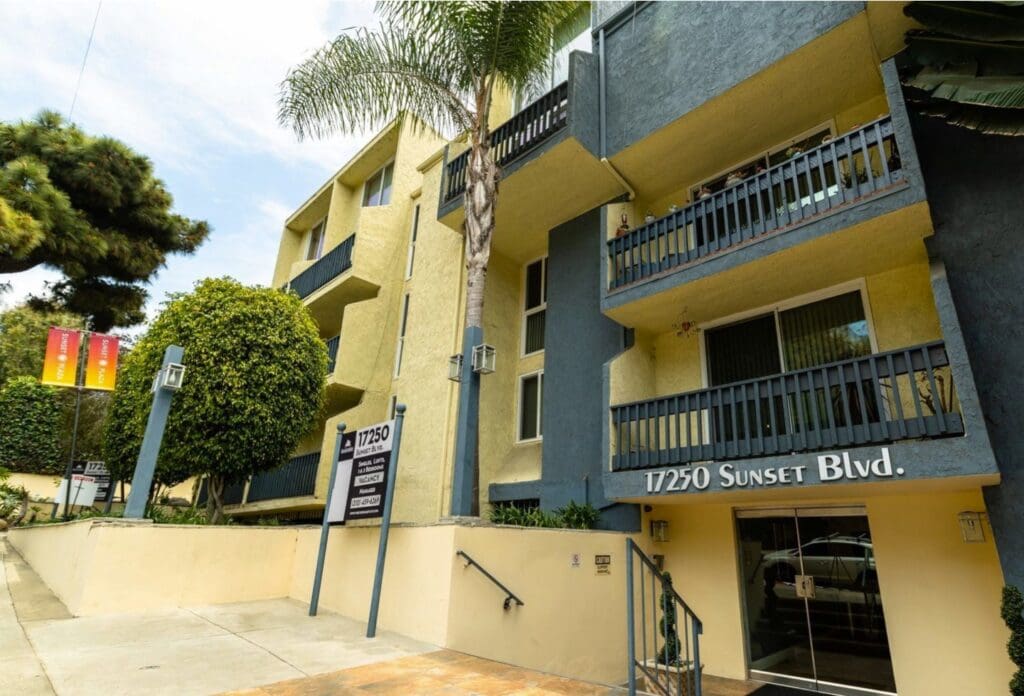
Today, there are also numerous apartment and condo buildings found along Sunset Boulevard, starting at Via de la Paz, and going westward to PCH and the ocean. There are also apartments/condos located on Haverford Avenue and up in the Highlands.

An apartment is for rent in this building, which is describe as “fully renovated unit in an apartment’ community located in the 90272 Zip Code.” The building has 75 updated units, which are a mix of single, one bedrooms, loft and two-bedroom apartments.

At the base of Palisades Drive (off Sunset), there are 100 city-controlled, low- to moderate-income apartments, built in 1988 as part of an agreement with the developer of the Highlands.

There appears to be no governmental oversight of who is allowed in those apartments, and several residents have long requested that there be some sort of investigation. Apparently, a single man, the son of a well-connected woman, has a three-bedroom apartment that was meant for a family.

Councilman Bonin’s field deputy, Noah Fleishman ,was going to look into this and other allegations, but Bonin has retired. CTN was told that the situation has not changed, but residents feared going on record because they might be turned out.

In addition to the 100 affordable housing units at the base of Palisades Drive, there are three mobile home parks, all considered low-income, and all governed by the Mello Act, which was adopted by the state of California in 1982 to preserve the overall number of residential dwelling and affordable units within the Coastal Zone.

The most recent challenge to Mello was in 2010, when the owner of Palisades Bowl Mobile Homes sought to change the property from rentals to ownership.

At Palisades Bowl, a 170-unit park, the land is owned by Edward Biggs and leases are protected under rent control. (Mobile Home Residency laws can be found at hcd.ca.gov).

In 2015, the L.A. City Council requested that City Planning prepare a permanent ordinance that implemented the state Mellow Act (No. 15-0129-S1). A draft document was released in December 2019.

Tahitian Terrace, which was built above PCH and Temescal Canyon in 1963, has about 250 homes, all under rent control. According to one source, the average annual increase is about three percent.

At Malibu Village above PCH (south of Sunset), the owners of the 29 homes own the land and their mobile homes. They pay property tax, but no rent.

The total number of affordable units in Pacific Palisades is 549, and that doesn’t count the apartments and other rentals in town.

A L.A. Times OpEd piece today, August 6, (“Don’t Worry, Affordable Housing Won’t Squash Property Values”) quoted Adlai Wertman of USC’s Marshall School of Business as saying, “We’ll never get affordable housing in the Palisades,” Wertman said. “The world will end first.”

“There you go again Adlai,” Ronald Reagan would say.

This is the site of the affordable apartments at the base of the Highlands. There is a unit for rent and it was advertised “just across the street from coffee shops and restaurants and minutes away from the beach or The Palisades Village.  Restrictions Apply a person must be at least 62 years of age with income to be under $97,381.84.”

Posted in Viewpoint | 1 Comment

Toppel learns IRS Letter Not a Scam


Haldis Toppel

Marquez resident Haldis Toppel received an IRS letter in the mail that she originally thought was a scam. She went the social media app Nextdoor to warn people about the scam, but instead learned the letter was legitimate.

Toppel also contacted Circling the News, so that it could alert others of her story: that receiving a letter from the IRS could be legitimate.

After her letter was printed on the app, Toppel received the following comments:

One person wrote: “This is not fake – I received the same letter a number of years ago. What has happened is someone tried to file a tax return pretending to be you in order to claim your refund. Here is the info from the IRS website click here.

A second person, a former Los Angeles prosecutor wrote: “the letter may in fact be genuine. Your best bet is to go to the IRS office to have them determine whether someone has acquired your personal information and used it to file a fraudulent ‘tax return’ perhaps to claim a refund. Please don’t ignore this, as it may result in more problems down the road.”

Yet another wrote: “I am a CPA, some clients got this letter, too. The IRS just wants to protect you from fraud. You need to call them back to verify it is you filed the taxes, not someone else.”

Someone wrote: “I also received this letter, and it was legit. Someone tried to file my return to collect a refund. The IRS had me fill out a ‘I was a victim of identity fraud form.’ I corroborated all this with my CPA.”

Another said, “It means that someone filed a second tax return using your social security number. You will have to verify that you are you. We just went through this process. It is a big pain in the neck, but it is not a hoax. Good luck.”

One accountant said they tell clients to watch for IRS notices and letters and if the IRS needs more information to verify an identity, the agency will mail a 4883C letter.

The accountant said, “if you received Letter 4883C, it is not fraud. It is a legitimate request, from the IRS, asking you to verify your identity. The letter will contain instructions to call the toll-free IRS Identity Verification telephone number 800-830-5084.”

Toppel said based on the information she received, she did call the IRS, waiting for more than hour to be connected to an operator. She ultimately learned that somebody had tried to file in her name.

“My thanks and heartfelt appreciation go to all who responded, and to those who recognized the letter and insisted that it was real,” Toppel said. “Maybe this will do some good to keep somebody from trashing such a letter.”

If you get a letter from the IRS, a resident can always check with an accountant or call the IRS directly.

Remember, the IRS will never:

  • Call to demand immediate payment, nor call about taxes owed without first having mailed a bill.
  • Demand that you pay taxes without giving you the opportunity to question or appeal the amount they say you owe.
  • Require you to use a specific payment method for your taxes, such as a prepaid debit card.
  • Ask for credit or debit card numbers over the phone.
  • Threaten to bring in local police or other law-enforcement groups to have you arrested for not paying.
Posted in General | 2 Comments

Westside Offers Adult Showcase This Saturday

Chasen Greenwood is one of the faculty members at Westside. He will be performing with Matisse Love in When Leaving Isn’t An Option an original choreography by Greenwood on Saturday.
Photo: Westside Ballet

You have already seen Oppenheimer and Barbie, the beaches will be packed this weekend. What to do? Here is something special happening this Saturday, tomorrow, August 5. The Westside School of Ballet is hosting an adult showcase at 1 and 3 p.m. at the Moss Theatre at the New Roads School, 3131 Olympic Boulevard, Santa Monica. Tickets are $25.

The artistic coordinator of the adult showcase is professional dancer Adrian Blake Mitchell.

Mitchell, who was born in Texas, lived on Via de la Paz in Pacific Palisades for a year, where he began his ballet training at the Westside Ballet. He continued his training in the U.S. and was offered a contract as an elite dancer with the Mikhailovsky Ballet in 2015. He lived and performed there for seven years, but with the invasion of Ukraine, he returned to the States.

Mitchell is overseeing 80 adults in this showcase who take classes at the Westside, including Mary Ruble.

Palisades resident Mary Ruble will be in the Westside Ballet’s adult showcase.

The Alphabet Street resident started dancing two years ago. Ruble says she is obsessed with ballet and can be found at Angelini (restaurant in Palisades Village) wearing her pink shirt, and ballet clothes, her my little dog Sophie.

“I have people stop me at the Palisades Farmers market and they will ask about me taking adult ballet,” said Ruble, who says she explains to people that they can start ballet at any age. “I tell them to come Sunday morning and to take from James Ady, a simple intro class that is so much fun and inviting.

“Ballet has become a way of life for me as an adult,” said Ruble who works in med/tech sales. “It’s been the best gift I have ever given myself. It took me several years to muster up the courage. I was really, really intimidated by what I knew about ballet and had seen in the media.

“Adult ballet is the antithesis of that stereotype,” Roble said, noting that through lessons and dance she has discovered a group of people, a new family that are super supportive.

“Ballet has become my center point, as it being a constant in my life,” she said. “The amount of work it takes to continue to progress, does translate into my personal life and professional life.”

Mary Ruble practices ballet at Westside Ballet.                                                          Photo: Westside Ballet

Westside School of Ballet has been offering adult ballet classes for more than 50 years and caters to all levels of experience and ability. The school offers classes for everyone, from beginners to advanced dancers.

Chasen Greenwood, a Westside faculty member and a choreographer for the show case, said, “Ballet is not just for kids or professionals. It is for everyone who loves to move, express themselves and challenge themselves. Ballet can help you improve your posture, balance, strength, flexibility and coordination. It can also help you reduce stress, boost your mood, enhance your creativity and connect with others who share your passion. Ballet is a lifelong journey that can enrich your life in so many ways.” Visit:click here.

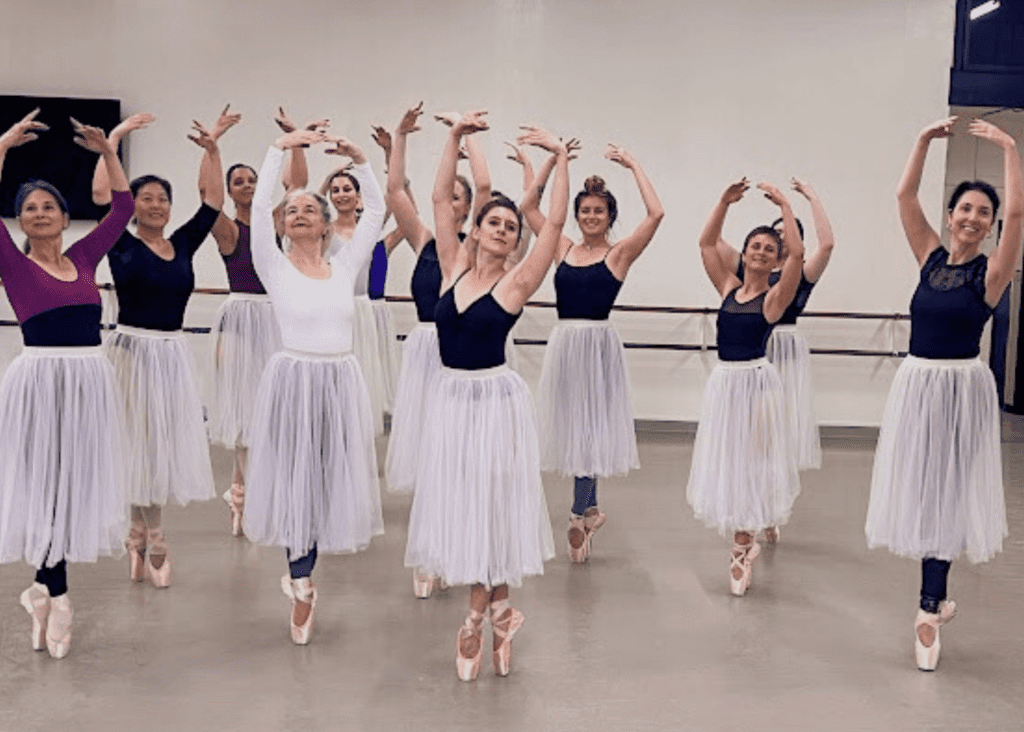
Adult students at the Westside Ballet will perform this weekend.
Photo: Westside Ballet

Posted in General | Leave a comment

Ballona Cleared: Damage Could be Hundreds of Thousands of Dollars

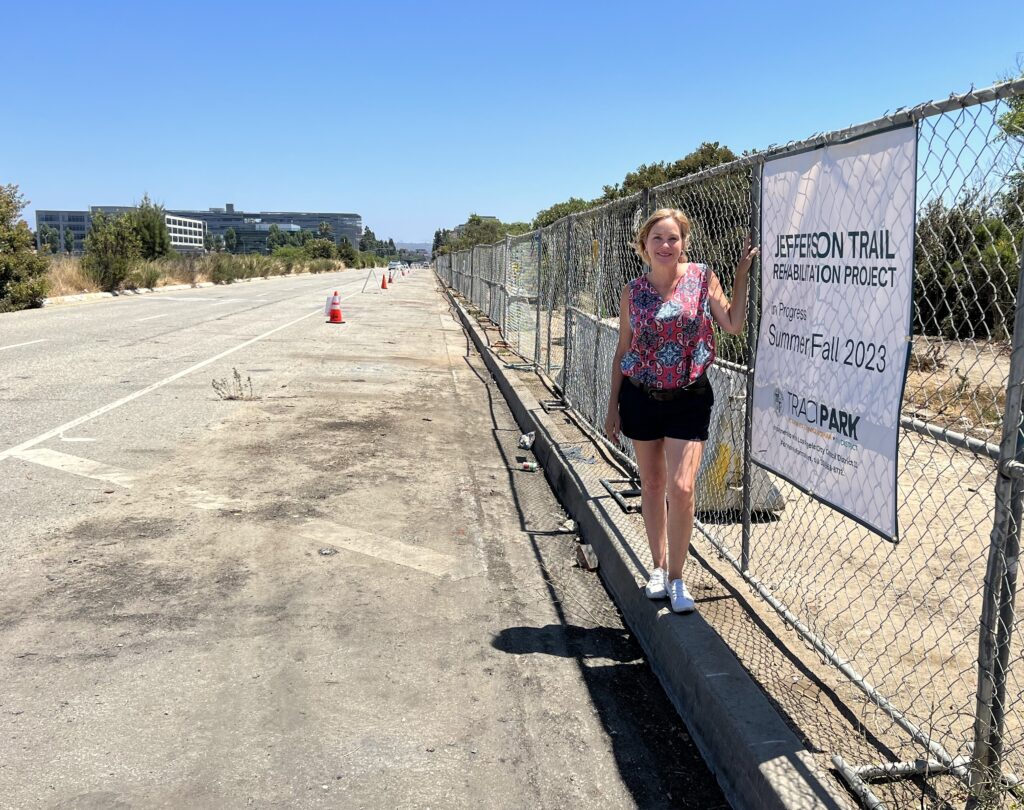
Councilwoman Traci Park has worked to restore the Ballona Wetlands by clearing illegally parked RVs and campers so rehabilitation of the area can occur.

The RVs were mostly gone from the strip of land along Jefferson Boulevard in Playa del Rey that borders the Ballona Wetlands.

This is an environmentally sensitive area that serves as a migratory bird stop for the millions of birds that fly the 7,500 miles between northern Alaska and the southern tip of South America.

On August 3, people driving by, honked, clapped and gave the thumbs up sign to Councilmember Traci Park as she looked at the nearly cleared area.

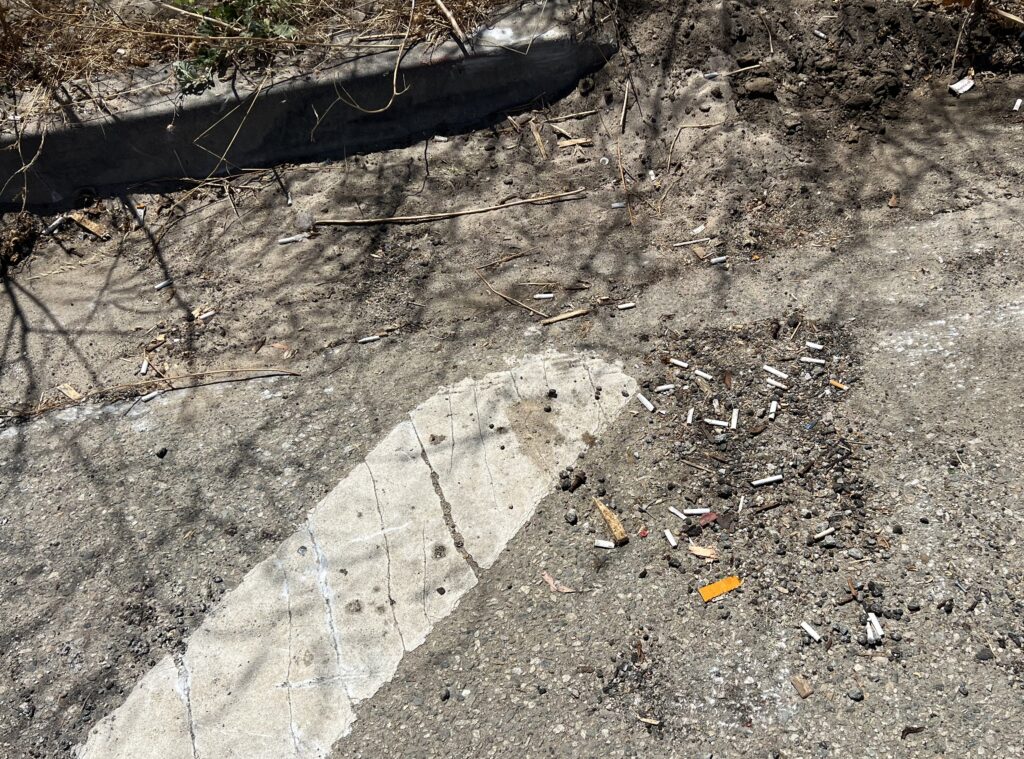
Even though there had already been one deep clean of larger trash items, there were still needles, pieces of plastic and glass, cigarette butts. Several more Care Plus cleanings were scheduled.

“The major debris has just been picked up,” said Jim Burton, president of EcoKai environmental. “Tomorrow, we start picking up the little stuff. We have to ID potential sources of contamination, such as gas, oils, motor oils—that was just dumped them on the dirt—and we need to take it out.

“This has been an absolute disaster for Ballona,” Burton told Councilmember Traci Parks office.

Cigarette butts, needles and pieces of plastic need to be cleared from the roadway, so it doesn’t flow into the freshwater marsh and ultimately into the ocean.

Friends of the Ballona Executive Director Scott Culbertson estimated that rehabilitating the area could take hundreds of thousands of dollars.

Burton said, “It will cost $153,000 just to replace the fence.” The wood fence that had separated the marsh from the path had been pulled out and destroyed.

Culbertson said that “hundreds of mature native vegetation has been cut down, trampled, destroyed.”

Many of the trees that were planted in 2003 had been cut down the past two winters and used for kindling. All that was left were stumps. Vegetation will also need to be replaced. The cost for plant replacement has not been factored, yet.

The cost to repair the damage is still being assessed and does not include the costs for sanitation, which have already cleaned the area, and will be required to perform additional cleaning.

Most likely the dirt next to the curb will have to be scraped and removed as a biohazard and then replaced with new topsoil, which is also a cost that has not been factored.

Additionally, maintenance that was done monthly in the Ballona, has not been done for several years. Culbertson said that “Because of the encampment, regular maintenance was deferred. Now we’ll have to play catchup.”

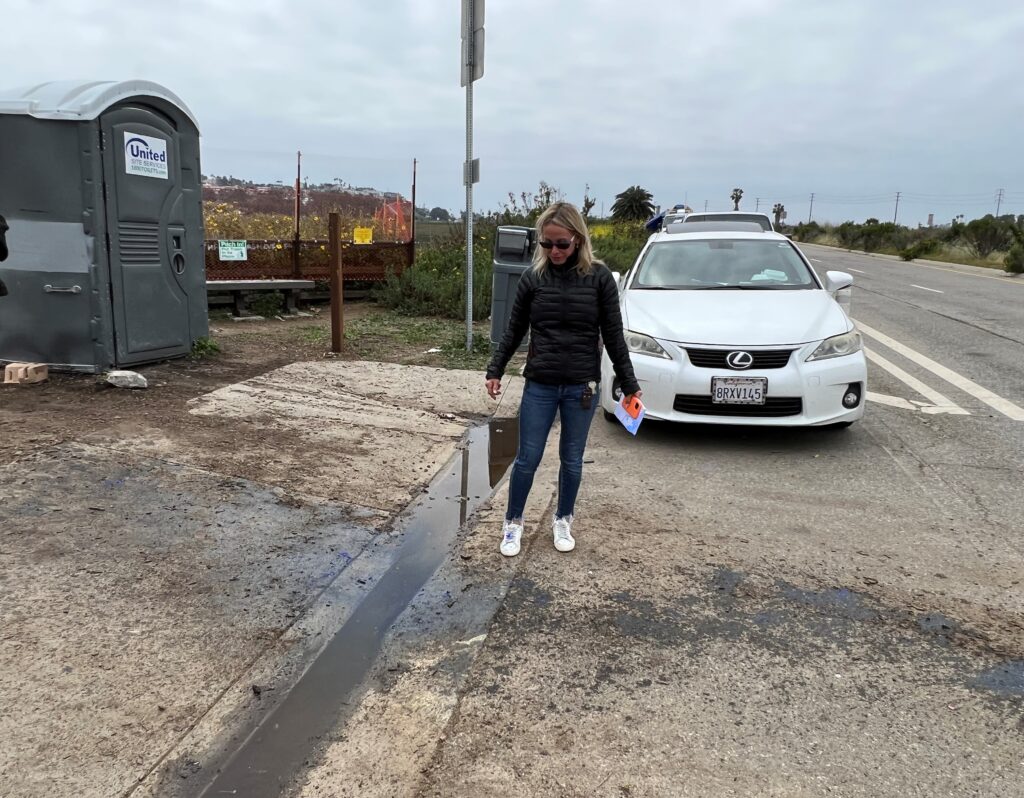
The porta-potty that prior Councilman Mike Bonin had placed on the strip of land where city signs clearly stated no parking, could not be removed, yet. The small building was so full of needles, that it needed to be dealt with before it could be taken away.

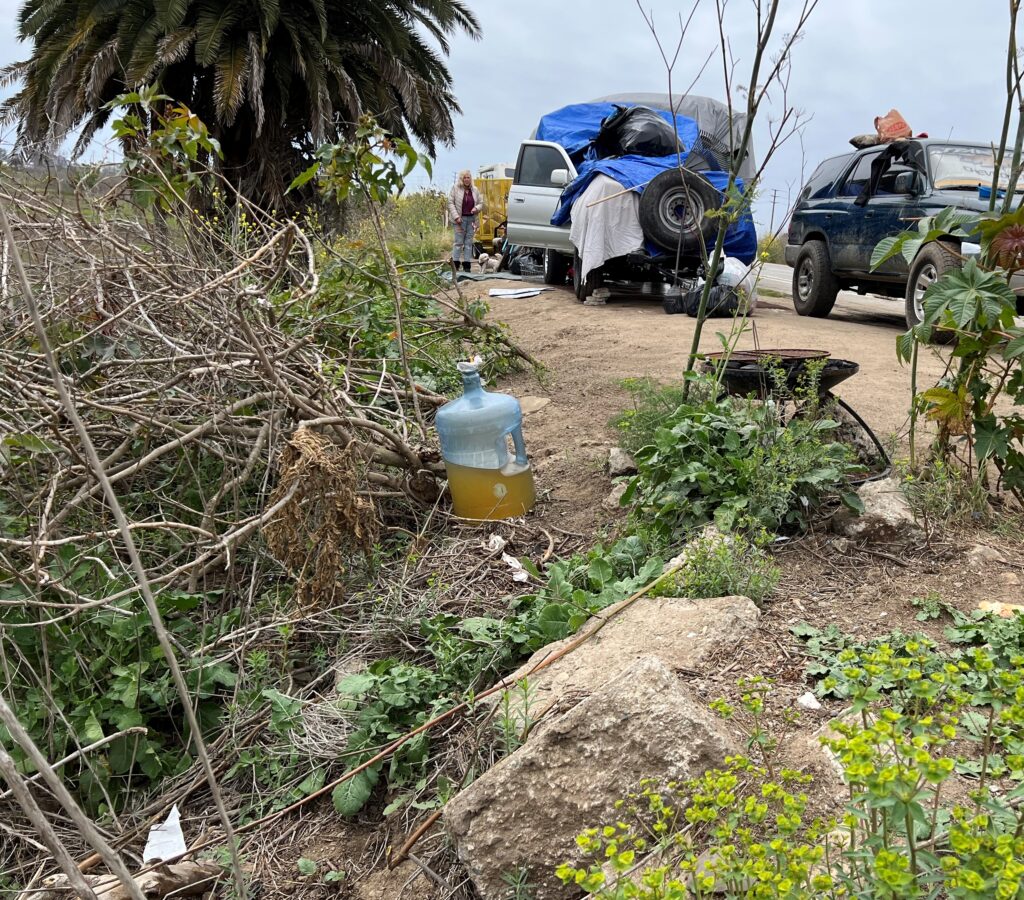
Although (former) Councilmember Mike Bonin supplied a porta-potty to the illegally-parked RVs, some  urinated in jugs, which were dumped on the land.

A Ballona RV dweller threw porta-potty fluids on a Playa del Rey resident. There are pages and pages of porta-pottys financed with discretionary funds from former Councilman Bonin’s office.

Resident and birder Lynzie Flynn told CTN, “Living across from the Ballona Freshwater Marsh I have watched the destruction over the last few years, and it has been heartbreaking. Fences torn down, trees cut down and used for firewood or just tossed in the street.

“Burglary has increased in Playa Vista and surrounding areas. The marsh has become unsafe for birds, birders and those who simply wanted to take a walk in nature,” Lynn said. “This was overdue in happening due to the powers in the previous administration. We cannot afford to lose this important piece of land and we can’t allow anything like this to happen again anyplace in Los Angeles.”

This editor parked along the road on August 3. At one time as many as 75 RVs and campers, lined the street. There was still a slight whiff of a sewage smell, because of the illegal dumping of the RVs. And many of the RV residents used the Ballona as a bathroom, putting sewage and toilet paper into the fresh water.

The RVs were parked in a no camping/no parking area, but the City did not enforced the signs.

CTN was told that already the area smelled better than a week ago, when the cleaning/removal operation began.

Before Park ran against Bonin in 2022, she went with a “birder” into the marsh area. The woman complained to Park the area was being destroyed and that Bonin was not returning her calls and was not doing anything about the environmental damage.

“As a resident of CD 11, who cares about the coastal environment, that this was allowed to happen was a tragedy,” Park said.

When five acres of the Ballona caught fire in March 2021, it prompted Park to enter the race against Bonin. She said that she realized that someone had to be willing to fight for the birds and the wildlife.

Once she was sworn into office in December 2022, she made good on her promise, not only to the neighborhood, but to those in CD 11, who care about the environment. “The problem was never unsolvable,” she said. “I started working on it in January.”

Legwork involved working with the different agencies, so that the RVs could be cleared. “This is a win for the district and the entire city,” Park told CTN at Ballona. She pointed to all the small pieces of trash/plastics still on the ground that need to be removed.

“It will all go into the storm drains, which go into the oceans,” she said. “CD 11, the Westside, is the repository for the entire watershed region.

“My obligation is to protect these resources for the community,” Park said. As she looked at the land, the dry brush, the remaining trash, and even the storm drains that had served as a garbage dump for the vans, restoring the habitat is a primary concern for the councilmember.

The RVs parked along Ballona allow garbage and human waste to go into the environmentally sensitive area. The City has not enforced “no parking.”

Park said that when vans had been asked to move on last week, another RV caught fire. There have been numerous fires in that string of RVs, and in February a man was found dead, charred inside a motorhome that had burned.

“The dangers are real, not theoretical and the intervention is long overdue,” she said.

Culbertson and Burton, hope that restoration can be done through the fall, so students and L.A. residents can return to the area.

By bringing school children to the Ballona, “We are training the next generation of eco-warriors,” Culbertson said, noting that 265 different species have been documented in the area. “This is a resource for all of L.A., we want families to see the amazing diversity of wildlife.”

Fencing is up and people will not be allowed to illegally park in this area as rehabilitation gets underway. As Park looked over the area, she realized this was just the first in a long set of steps to rehabilitate the area; to bring the birds back and allow wildlife to repopulate the area.

“Man, do we have a lot of work to do,” she said.

By removing the illegally parked vans, Friends of Ballona can start to work on maintenance at the wetlands. Councilwoman Traci Park has been working on clearing the area since January.

Posted in Animals/Pets, Environmental, Homelessness | 17 Comments

Rocky Montz Oversees PaliHi Athletics

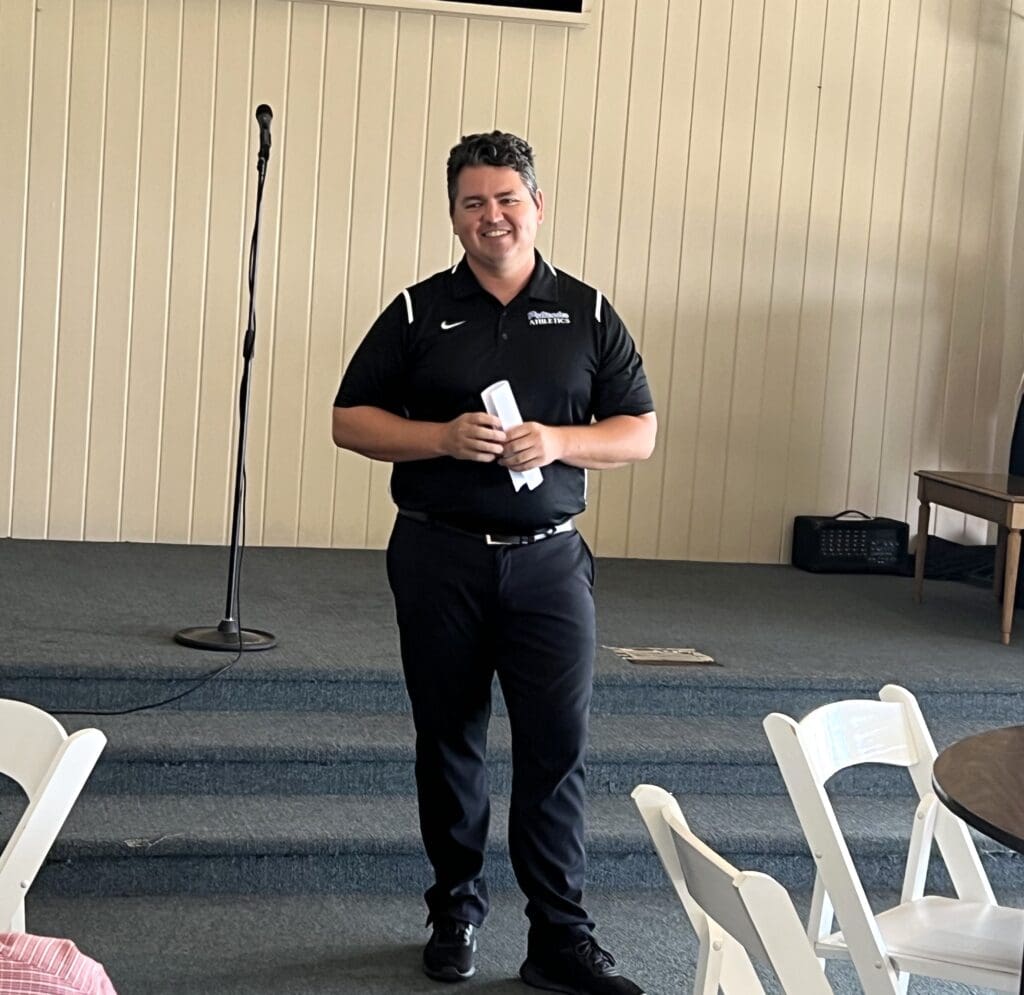
Rocky Montz is Palisades Charter High School’s Athletic Director.

One of the most difficult jobs at Palisades Charter High School might be heading the athletic program because of interacting with athletes, coaches, parents and – raising money.

PaliHi Athletic Director Rocky Montz, who grew up in Pacific Palisades, made it sound easy when he spoke to the Palisades Optimist Club on Tuesday.

Montz, who has also coached football at PaliHi for the past 13 years, is in his second year as the PaliHi AD.

He received his bachelor’s degree from Trinity College and his master’s degree from USC. Montz oversees nearly 900 students, who participate in 27 varsity sports and numerous JV and freshman teams.

Of that number, there are 89 dual athletes and six who participate in three sports, but with a school of almost 3,000 students that means that nearly one-third of students participate in sports.

“Sports are important because kids get to represent their school,” Montz said. “It is an education-based program, which provides a huge benefit for athletes.”

Even as sports and enrollment declines at other City schools, such as Westchester now has 600 students (used to be 2,000), Crenshaw has 450 students and Dorsey 600, PaliHi continues to draw students.

There are 156 schools in the City Section and Montz said, “the City Section now has more charter schools than public schools.”

“The general trend in the City Section is less kids are participating in sports, but Pali has a healthy athletic program,” Montz said, emphasizing the fact that athletics are tied into educational excellence at PaliHi. “Seven of the teams won the City Academic Award last year.”

The grade average is compiled for each team in the City Section, and Palisades came out on top in boys and girls water polo, wrestling, girls soccer and girls volleyball and girls and boys lacrosse.

Additionally, because so many of PaliHi teams made the semis and finals (15 teams participated in the CIF playoffs) the school received ranking points. Those points are factored against other City schools, and the Dolphins captured the Commissioner’s Cup for the seventh time since its inception in 2014-2015 (two years no Cup was awarded because of the pandemic).

CIF wrote, “Congratulations to Palisades Charter on its seventh consecutive Cup! In one of the closest races to date, the Dolphins 424 points and seven titles to prevail over Granada Hills Charter (386 points and six titles) and Birmingham Charter (382 points and nine titles).

Montz spoke about the goal of athletics at Pali. “Athletes have better grades during the season they’re playing,” he said, and explained being on a team is being part of something bigger than the individual student. “It provides them teammates, who become friends for life.

“A team requires commitment,” he said. “If someone plays on a team, they are expected to practice five days a week and up to four months, particularly if a team makes the playoffs.

“Sports teach collaboration. Even in individual sports like golf, a team member relies on others.

“Kids want to do sports,” Montz said.

He said that athletics is getting more complicated. With club sports so prevalent, it means those athletes bring that mind set to the campus.

PaliHi is not allowed to recruit, and now “our kids are getting poached,” he said, noting that private schools, including Chaminade, Loyola and Cathedral have lured at least four strong athletes away from Pali with scholarships for the coming school year.

Montz questions if it’s in the kids’ best interest to be taken away from people they’ve bonded with and maybe grown up with, just to go to a school for a year or two. It is as if some high schools are using a professional sports model to gain athletes.

“Sure, the school earns a championship with the students,” Montz said. “It’s important to win, but not while sacrificing an athlete.”

With some sports at Pali, Montz struggles to find competitive matches for his athletes because other City Section schools either do not have a sport or have a diminished program.

Funding for sports at PaliHi is sparse. “Transportation costs have skyrocketed and the largest portion of transportation to away games is paid for by booster clubs,” he said. That means that parents and clubs have to raise money.

Although the school pays for equipment and uniforms, individual sports budgets are highly subsidized by the parents.

Montz adds, “I have to talk to the administration and convince the school the value of athletics.”

He has high praise for PaliHi coaches, who he says are paid little. In order to work with athletes, coaches must take courses that include CPR and atrial fibrillation, concussion protocol and hazing.

If he had one wish, it would be for athletic trainer on campus. “I know the value of trainers. I would like to have a full-time trainer,” he said. “That would be huge.”

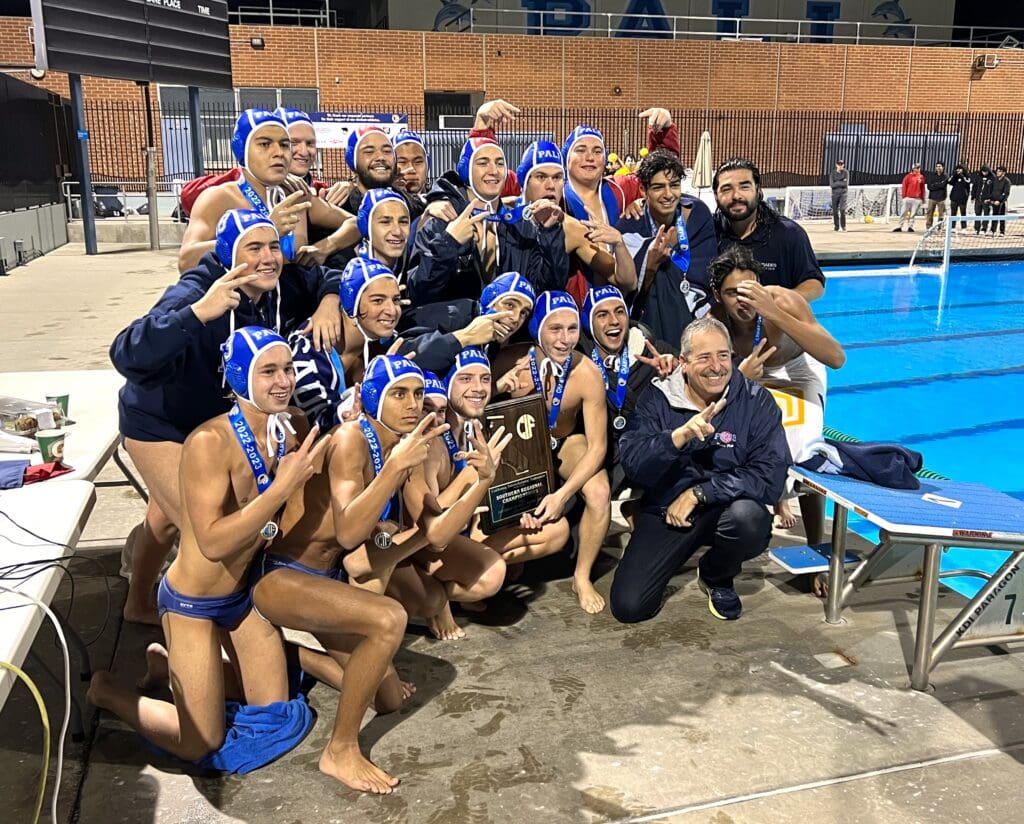
Palisades High School water polo team captured the championship. The boys also had one of the highest academic averages among all teams in the City Section.


Posted in Schools, Sports | Leave a comment

Viewpoint: Taking Care of the Homeless in Simple Terms

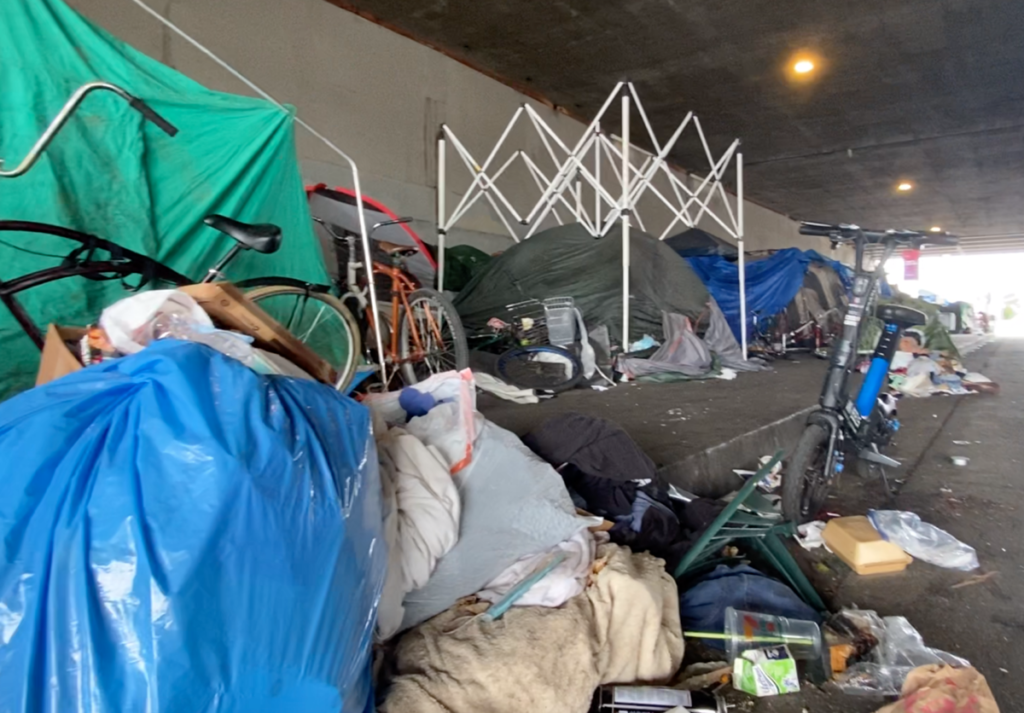
Homeless encampments in L.A.

Los Angeles residents have been told over and over the reason for the more than 75,000 homeless on the streets of this county is because there is not enough affordable housing. . . .and more money is needed.

When officials are pressed about homeless addicts or the mentally ill, residents are told, “that’s a complex issue.”

The Los Angeles Times periodically runs stories about the homeless and on July 23, they ran a 5,300 word, several-page story (“Dreams Crash into Harsh Reality”).

This editor was confused about whether the story was supposed to gain sympathy for the homeless, or just confirm what many residents suspect that homelessness is not a housing crisis.

The story began “Since arriving in L.A. County, Andrew Truelove has spent most nights sleeping in a Torrance parking lot while looking for housing.”

In 2019, Truelove, a Virginia resident, received a $50,000 in heritance from his dad, but by June was down to $700.

Starting in 2010, he was in a Virginia prison. While outside a school, and carrying a lug wrench, he grabbed an eight-year-old girl by her backpack and was incarcerated, although he claims he was trying to protect students from bullies.

He believes that the 2012 Sandy Hook Elementary School shooting never happened and stole signs in 2014 memorializing the victims, for which he got additional jail time.

A psychiatrist found that Truelove had symptoms of a bi-polar disorder. A judge ordered psychiatric care and that Truelove take psychiatric medicine. He was released from prison in April 2021 and made his way to California to Silicon Valley with hopes of starting a social media site.

After living in a homeless encampment there, he came to Los Angeles.

Truelove was accepted into two different shelters (Beacon Light and A Bridge Home Shelter in San Pedro) but was kicked out for failing to follow the rules.

The L.A. Times wrote, “Truelove is left to navigate a confusing social services landscape and jostle for scarce shelter beds and scarcer permanent housing in a sprawling region with too long a line for too little help.”

When the story ended, Truelove, a chain-smoker, was still on the street. His half sister sent him $20 a day for food, while he was waiting for Virginia’s decision on whether he is eligible for disability benefits.

INSIDE SAFE:

When Mayor Karen Bass came into office, there were high hopes that her “Inside Safe” would start to make a dent in the homeless population by moving people into apartments.

Is it up to the Mayor to find places for people like Truelove, who moved here from out-of-state, with no family, no job prospects and no place to live?

A July 31 L.A. Time Story (“1 out of 6 Have Left the Housing Provided by Inside Safe), reported that LAHSA (Los Angeles Homeless Services Authority) said that 153 people or 10.5% of the Inside Safe participants have exited the program: six died (four from fatal overdoses), four were placed in medical or psychiatric facilities and three were incarcerated.

There is an 83 percent housing retention rate but, “a significant number of participants have gone back to the streets.”

Of the 1,463 people served by Inside Safe so far, 1,105 are living in interim housing—the vast majority of them in motels, according to LAHSA’s report.

Bass said she has been told that one reason for the departures is dissatisfaction with the rules in place at the program’s hotels and motels. “At the L.A. Grand Hotel, which is in downtown Los Angeles and currently being used as temporary homeless housing, residents have been prohibited from having guests in their rooms, she said.”
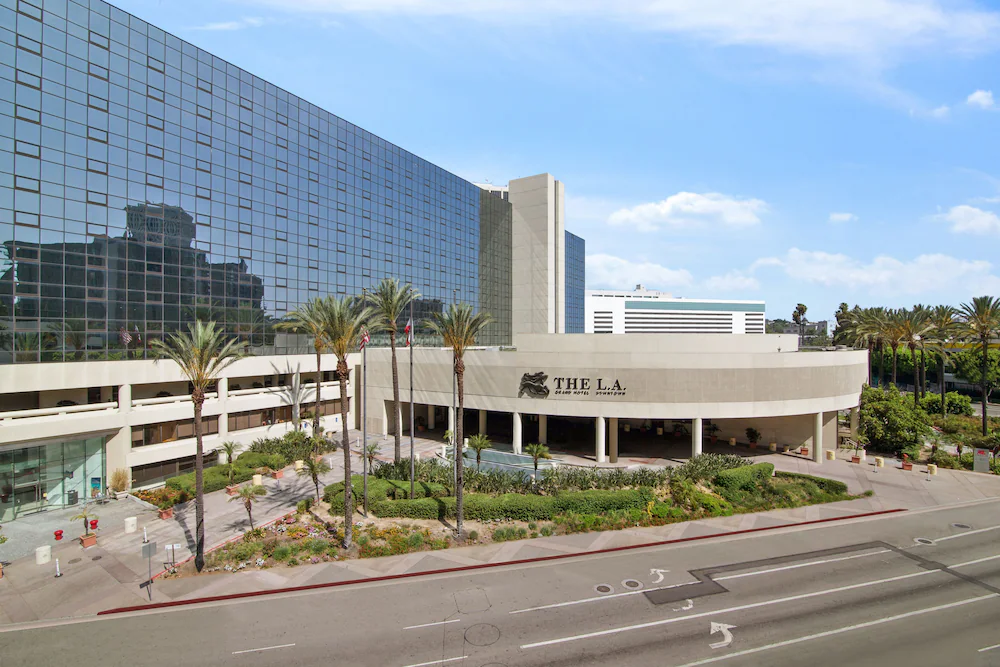
L.A. Grand Hotel is being used as temporary homeless housing.

MORE MONEY—LA CITY

Los Angeles voters passed Proposition HHH in 2016, which enabled the City to issue $1.2 billion in bonds to build housing for the homeless.

In a March 2023 story in the Los Angeles Daily News (“Los Angeles Voted to Raise $1.2 billion to House Homeless. Did it work? Critics are frustrated by growing costs, delays. Proponents say stay tuned — more projects coming online soon.”)

In a report released by former city Controller Ron Galperin, it was estimated that LA was on track to complete 5,873 units towards the goal of 7,000 units. As of August 2020, 179 supportive units had been built with HHH funds and another 5,522 were under construction or in pre-development.

According to the Housing Department, 37 buildings were open as of the end of 2022, containing nearly 2,300 permanent supportive housing units.

The story noted that “Galperin agreed the bond measure was presented to voters in a way that the reasonable understanding was that there would be 10,000 units funded through Prop. HHH.”

It appears there may be 8,600 units by 2026. Galperin in an audit of the program showed that per unit costs were climbing to excessive levels. By 2019, the median per-unit cost had grown to $531,373, with more than 1,000 units projected to cost more than $600,000.

“The median cost of building these units approaches – and in many cases, exceeds – the median sale price of a condominium in the City of Los Angeles ($546,000) and of a single-family home in Los Angeles County ($627,690),” Galperin wrote in a 2019 report.

Will voters get the 10,000 units for the homeless they were promised for the money? Or is more money needed?

Residents were told the UAL or the Mansion Tax was passed in Los Angeles in the November 2022 election was to help funding for the homeless. The law went into effect April 1, but currently it is under legal scrutiny.
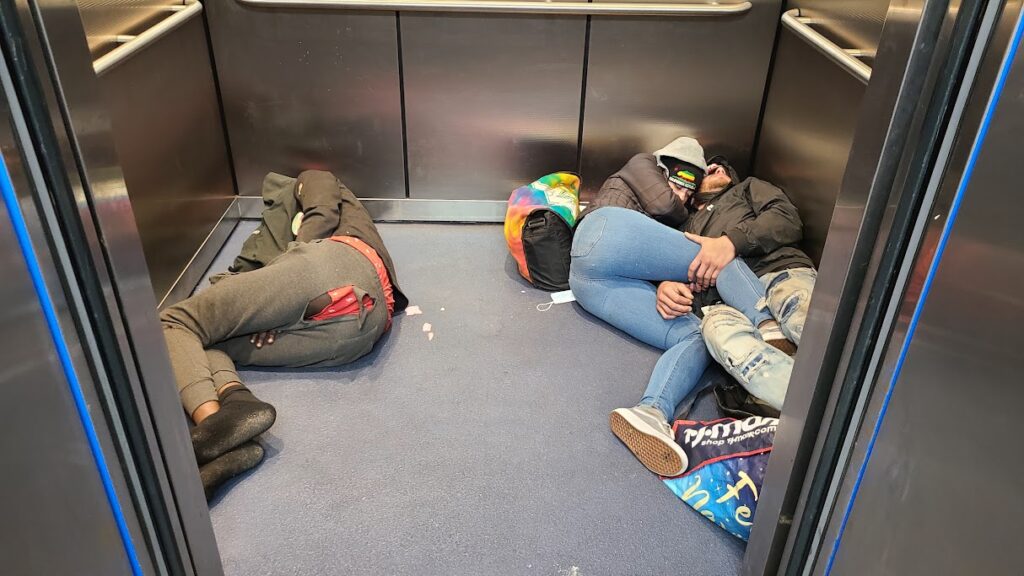
When it was rainy outside, homeless slept in elevators.

MORE MONEY – LA COUNTY:

According to Los Angeles County Board of Supervisors budget, the board approved a $532.6-million Homeless Initiative spending plan for fiscal year 2022-23.

About 87 percent of the spending plan, $466.75 million, will come from Measure H, a 1/4-cent sales tax approved by County voters in 2017 to address and prevent homelessness. The remaining $65.86 million represents state funding.

The County’s spending to address homelessness exceeded $1 billion in fiscal year 2021-22.

In the 2015 homeless count in L.A. County there were 44,359 homeless. In 2023, there were 75,518 homeless. In Los Angeles City, there were about 25,686 homeless in 2015, now the population is estimated at 46,260.

In the 1989 movie Field of Dreams, starring Kevin Costner, the actor heard a voice telling him “If you built it, he will come.”

There are now many books, and articles with the idea “If You Build It” that explore how increasing the supply of something can influence and accelerate demand. What started as  compassion has now grown into an industry that is advancing at an alarming rate.
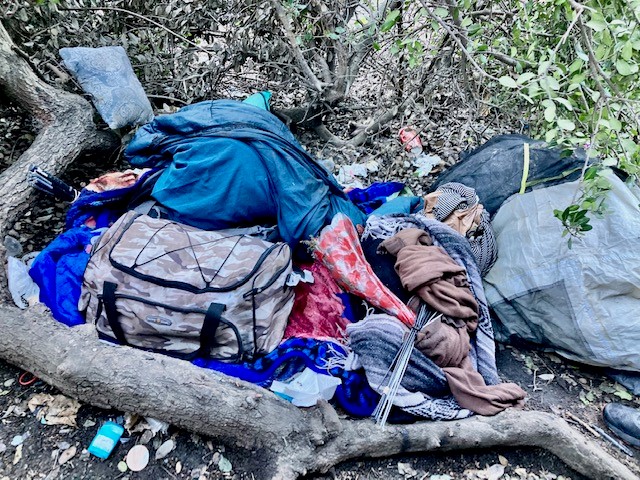
This campsite was cleaned and more than eight large garbage bags were filled.

Posted in Homelessness | 5 Comments

Professor Brodie Authors “The First Atomic Bomb: The Trinity Site in New Mexico”

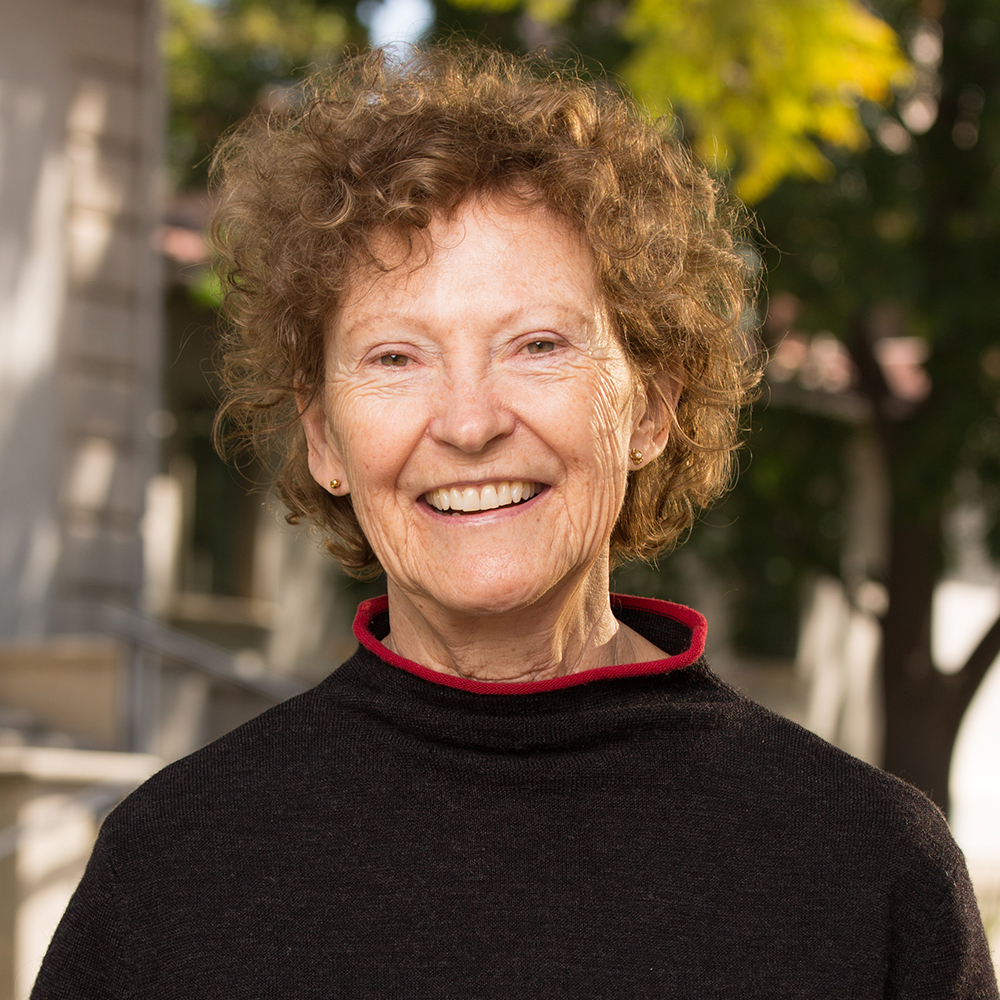
Dr. Janet Farrell Brodie wrote “The First Atomic Bomb: The Trinity Site in New Mexico.”

Letter to the Editor of the New York Times:

A reader shared a letter “Radioactive Fallout From the Trinity Test” that was published July 30 in the New York Times that was written by Pacific Palisades resident Dr. Janet Farrell Brodie.

Brodie is an emerita professor of history at Claremont Graduate University and the author of “The First Atomic Bomb: The Trinity Site in New Mexico,” that was published in June 2023, by the University of Nebraska Press.

She referenced a July 22 NYT Story “The Nuclear Test’s Fallout Reached 46 States, Canada, and Mexico, Study Find.”

The “Analysis Finds Fallout Spread Much Farther then Experts Thought” about fallout from the test of the first atomic bomb in New Mexico in 1945, is timely and very important. The article describes significant new findings about the extent and severity of the fallout but overlooks a few key issues.

A 2019 article in The Bulletin of the Atomic Scientists presents evidence of a dramatic increase in infant mortality in areas of New Mexico in the months after the Trinity test, although infant mortality in the state had otherwise declined steadily from 1940 to 1960.

My own research documents scores of investigations into the Trinity fallout (perhaps 40 studies) over the decades by various U.S. agencies and groups. Many were classified as secret and others were simply quietly buried and received little acknowledgment, but they document scientists’ concerns about residual radioactivity from the Trinity test in the soil, plants and trees in New Mexico.

Let us hope that this renewed publicity will help refocus attention on the long overlooked Trinity downwinders.

Janet Farrell Brodie

BRODIE:

Brodie who lives in Pacific Palisades in a house built by her parents-in-law in 1953, received her bachelors degree in history from U.C. Berkely and her masters and a PH.D. in history from the University of Chicago.

Many Palisades residents might remember that she was the first speaker for the Palisades Historical Society inaugural Lorraine Oshins Lecture Series in 2018. She spoke on “Domesticity and Resistance: Women and Activism in Early Cold War Palisades.”

The professor’s main interest is primarily 19th- and 20th-century American history. Her research deals specifically with Cold War secrecy; war and American cultural history; and women, gender and Cold War history.

Brodie’s book Contraception and Abortion in Nineteenth Century America (Cornell University Press, 1994) received much praise for its careful research of contraception and abortion information and practices in the 19th century.

In the Women’s Review of Books, a reviewer writes: “One of Brodie’s many achievements is to denaturalize our sense of reproductive control by setting it firmly in historical context. Her insights into 19th-century meanings of contraception and abortion, however, are not without significance for current struggles.”

More recently Brodie has focused on the institutional response to the radiation from atomic weapons and the national security surrounding anything to do with nuclear energy.

ABOUT HER BOOK THE FIRST ATOMIC BOMB:


A fireball begins to rise, and the world’s first atomic mushroom cloud begins to form, nine seconds after Trinity detonated on July 16, 1945.

Weeks before the atomic bombing of Hiroshima and Nagasaki that brought about the surrender of Japan and the end of World War II, the United States dropped the world’s first atomic bomb at the Trinity testing site located in the remote Tularosa Valley in south-central New Mexico.

Brodie explores the history of the Trinity test and the men and women who constructed, served, and witnessed the first test—as well as the downwinders who suffered the consequences of the radiation. Much of what she reports has never been discussed.

Concentrating on these ordinary people, laborers, ranchers, and Indigenous peoples who lived in the region and participated in the testing, Brodie corrects the lack of coverage with essential details and everyday experiences of those who experienced the event.

Her book also covers the environmental preservation of the Trinity test site and compares it with the wide range of atomic sites now preserved independently or as part of the new Manhattan Project National Historical Park.

A reviewer writes that Brodie presents “a timely, important, and innovative study of an explosion that carries special historical weight in American memory.”


Posted in General | 1 Comment