VIEWPOINT: Two Caruso Developments: One Done, One Planned

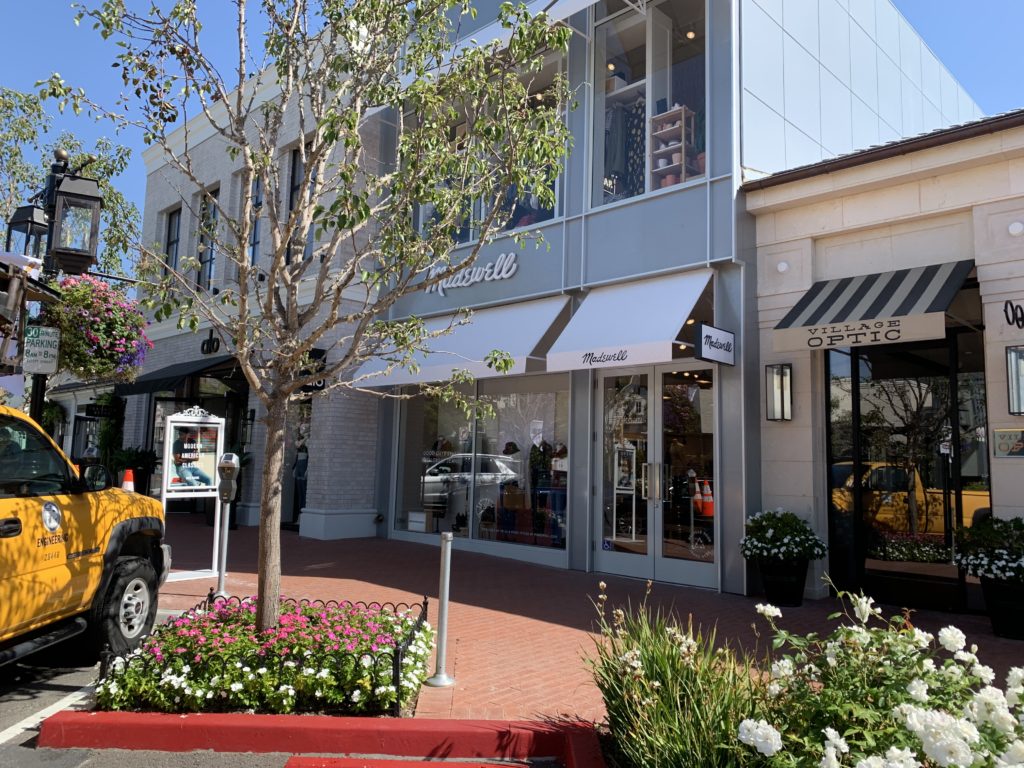
Caruso Village in Pacific Palisades has its advocates and those who feel it doesn’t represent the town.

The Acorn weekly ran a May 22 story headline: “Caruso Planning Major Changes to the Calabasas Commons.”

Although the project is still in the planning stages, a meeting was held at King’s Fish House at the Commons and Founders Hall at the Calabasas Civic Center with residents, homeowners association presidents and other city leaders.

(This editor remembers the “get-togethers” held at Palisades High School when the Caruso project was proposed in the Palisades and wonders, was there free coffee and food at the Calabasas meeting? Did the women attending, like those on the Palisades Community Council  who supported the project, receive bouquets of flowers? Was Rick Lemmo there to offer flattery and encouragement?)

Chris Robertson, a Caruso VP, said that at the Calabasas meeting, residents “dedicated significant time and energy to share what they love about The Commons and their priorities for the future.”

The Acorn wrote: “Taken together, the changes will bring a series of fresh overtones to the aging shopping center that include an open play area amenable to relaxation, community events and summer outdoor movies for families, and curated small shops in a Euro-Mediterranean-like setting for fans of retail. New upscale restaurants will be part of the mix.

“The construction will remind Caruso aficionados of Palisades Village, where shoppers stroll among a variety of small stores, dine in quaint restaurants, and relax on family-friendly green open spaces in the forward-thinking retail center that opened in 2018. Think also of the Americana at Brand, a Caruso mixed-use center in Glendale, only on a much smaller scale.”

Although reviews were mixed and people were worried about parking and zoning, one person wrote, “Please read letters to the editor from last week’s Acorn. This proposed upgrade has been extremely well-received.”

To that someone replied, “Always two sides to a coin. A measure on the next ballot would be nice.”


Posted in Community | 2 Comments

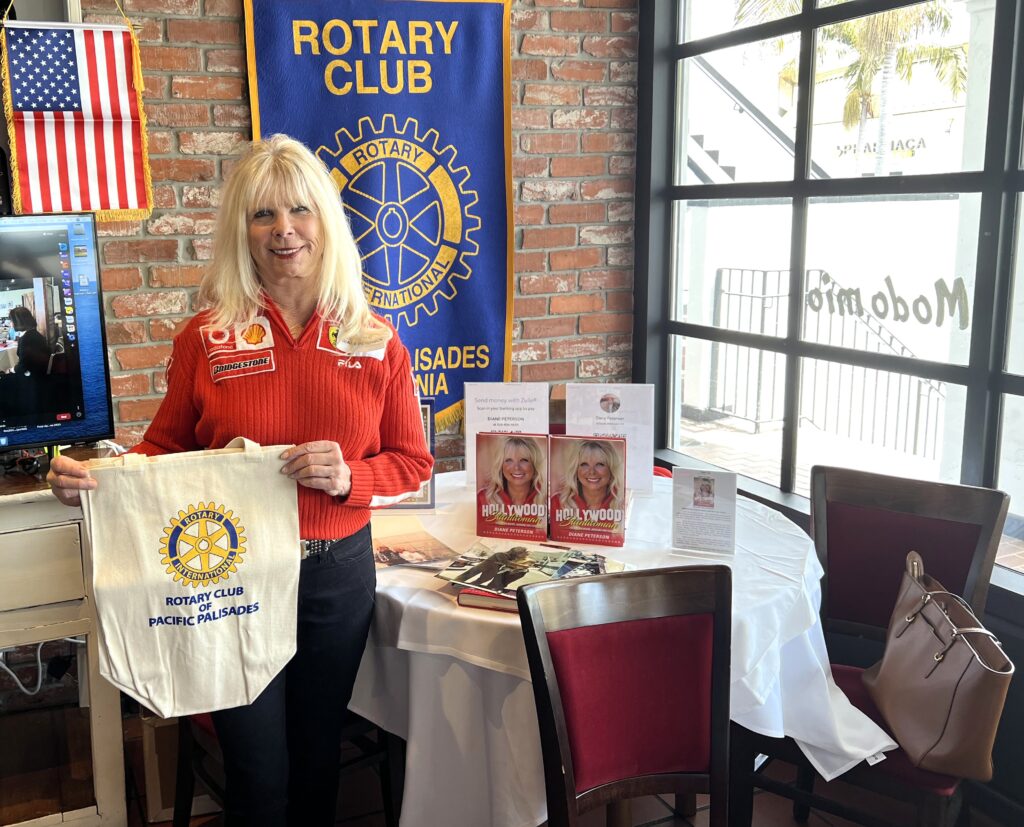
Stuntwoman Diane Peterson Entertained Palisades Rotary

Stuntwoman Diane Peterson was a luncheon Rotary speaker at Modo Mio restaurant. She was asked, “How much would you charge to go through that glass window?”

“Five thousand,” she said immediately.

Peterson’s journey from actress to stuntwoman to author provided an entertaining presentation.

The Malibu resident started out as an actress after graduating from the University of Miami, more than 40 years ago.

“I got a role on Kojak. I was the woman crossing the street with a baby carriage,” she said, “Two cop cars go flying through and almost hit the baby.”

But she said she wasn’t nervous, and immediately was ready for a second take. I told them, “Do it again. Let them do it again.”

Peterson realized then, “I wanted to be the one driving the car.”

She approached the stunt men and told them she wanted to try doing stunts, but they told her, “We put on wigs and do our own.”

Peterson finally convinced them to let her try a stunt and was told her first stunt was being hit by a car.

She said it was on Long Island, and “I was padded like the Michelin Man,” but it went wrong and “I hurt my knees.” Peterson was told that stunts are just like “falling off a horse,” and that she needed to try again.

She did and it was the beginning of a long career.

“I was the first woman in the East Coast Stunt Man’s Association,” she said.

She praised the men she worked with, “They taught me everything. They taught me how to crash through a window.”

But Peterson realized that she needed to go to Hollywood. The guys told her “You can’t go, you’re the only stuntwoman we have.”

On the West Coast, she sent out her resume. A producer asked her “Can you drive?”

Peterson replied, “I’m the best driver you’ve ever seen,” and did a stunt in Nashville. It was the start of her Hollywood career.

Peterson said she’s doubled some amazing people including a scene in Titanic. “We were filming in Rosarita, Mexico. There were so many delays because of the wind and weather,” she said. “There were stunt people from all over the world.”

The stunt woman added, “To this day, I get residuals from Titanic because of the union.”

She did Magnum PI and “I was the girl that steals Magnum’s Ferrari.”

The advice that Tom Selleck gave her was “Whatever you do, don’t wreck the car.”

Peterson said that car chases are her favorite stunts to do. She usually takes the car for a ride before a stunt, so she gets the feel of it.

“When I was a kid I had a crush on Richard Chamberlain,” she said, and found out she was going to double for Sharon Stone in the “King Solomon’s Mines” who was costarring with Chamberlain.

Peterson said she was on the screen a lot because Stone was afraid to do any of the physical requirements. During filming, “I told Chamberlain, when I was 13, I invited you to my birthday party.”

She did stunts on Death Wish 4 with Charles Bronson. “He was great,” Peterson said, and added that she also did two movies with Jeff Bridges.

In King Kong, she doubled as Jessica Lange. She remembers trying to descend a 40-foot ladder in a sequined dress and high heels, even as the director was yelling, “faster, faster.”

She’s also doubled for Faye Dunaway, Diane Keaton, Heather Locklear, Heather Thomas, Farrah Fawcett, Michele Pfeiffer, Kate Capshaw, and hundreds of other actresses.

For 10 years she worked on Walker Texas Ranger with Chuck Norris. “I did all sorts of stunts,” Peterson said, including driving an 18-wheeler.

“I had more fun on that show. We didn’t want it to end,” Peterson said. “But Norris remarried, and his wife didn’t want to be a TV widow.”

What is this stunt woman afraid of? “I’m afraid of heights,” Peterson said. “I’m afraid of snakes.”

She was working in South Africa, and as she’s walking a boa is supposed to drop on her shoulder. “I kept saying, I can overcome this fear,” Peterson said.

Casually asking about when the scene would take place, Peterson heard the best words she had heard in a long time. “We shot that scene that last week with the snake handler’s wife,” the producer said.

Four of her friends have been killed while doing stunts. “It is dangerous, and accidents happen,” Peterson said. Before she does a stunt, she “visualizes it going perfectly right.”

She said she was hurt really badly in 1982. In the scene, she was chased by six Doberman, had to crash through a window and fall onto an air bag. She bounced off the bag and shattered her heal bone in five places. “It took a year to get better,” she said.

In her book, “Hollywood Stuntwoman: Follow Your Dreams,” she talks about overcoming fears, which she has spent her life doing.

She was asked about working now. “There’s not a whole lot of stunt work,” Peterson said. Hollywood doesn’t have many of its “older” women jumping, punching and defeating the bad guys, by going through windows.

Peterson took a memoir writing class at Santa Monica College and over the course of 10 years, the book became a reality.

Her new wish? “I hope the book gets made into a movie. I would like Jennifer Lawrence to play me.”

When asked, Diane Peterson said her price for diving through the window was $5,000.

Posted in Books, Community | Leave a comment

The Blue Crew Off to a Hot Start

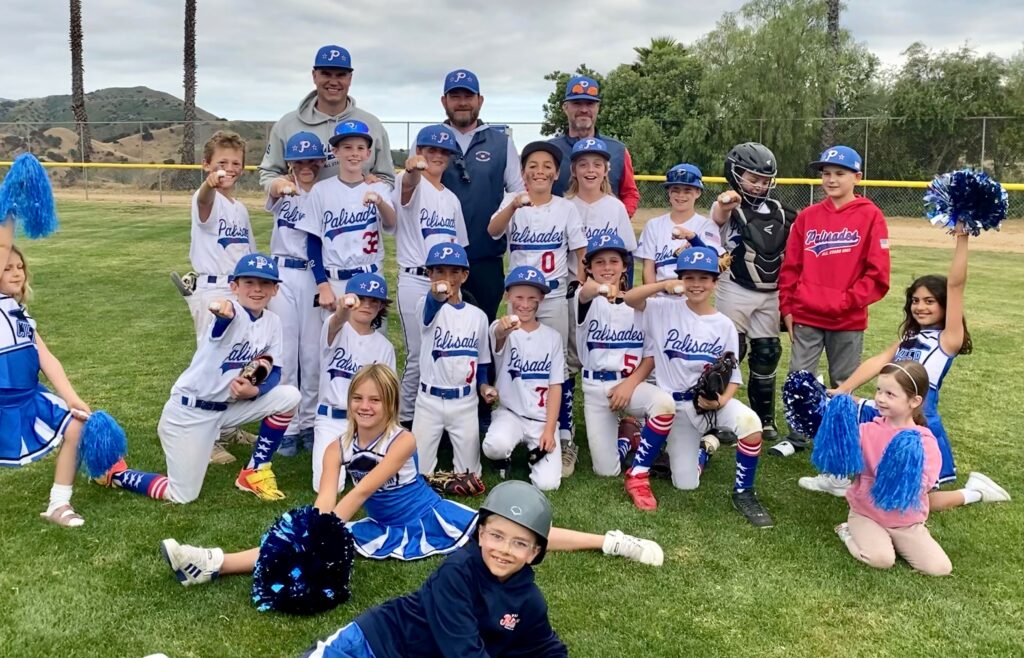
Blue Crew won a baseball tournament this past weekend, aided by coaches and cheerleaders.

Although Southern California is locked into June gloom and cool temperatures, the Palisades 10U All Star baseball team is off to sizzling start, winning the Championship Game at a tournament in Las Virgenes last weekend.

For the Blue Crew, formerly known as the Nachos, this was their second championship over the past three weekends and their current record is 13-1.

The 15-member team is tough offensively and defensively during tournament games, with the Crew outscoring their opponents 51-6.

On the mound the team was led by Henry Wyman, Will Hill, Dylan Hartuian and Blake Milinovich. Wyman and Hill had complete game victories, first in the semis and then the finals. Each pitcher struck out eight batters across five innings.

Perrish McGinn broke open the Championship game with a two-out, two-run double. Remy Moore added two hits and Wil Hoffman had a key two-out RBI single.

Sam Foster and Jackson Moore provided essential pitching and hitting to help secure the victories.

The team was aided by timely hitting from Ethan Montnimy and Max Yost. The stellar defense from Hudson Tucker, Cy Murphy, Isaac Ungerledier and Kellen Whalen helped the Blue Crew to a 20-2 margin across the final two games.

The 15-member team is coached by David Hoffman, Brad Hill and Blake Tucker and one of the few baseball teams to have active cheerleaders.

The group starts PONY Sanctions tournaments next weekend in Camarillo. “We hope to build upon their quick start en route to the International World Series,” Hoffman said.

Part of playing baseball is having fun, as the Blue Crew demonstrated during the tournament.

Posted in Sports | Leave a comment

Viewpoint—Slavery Is Alive and Well and Supported by Local Government

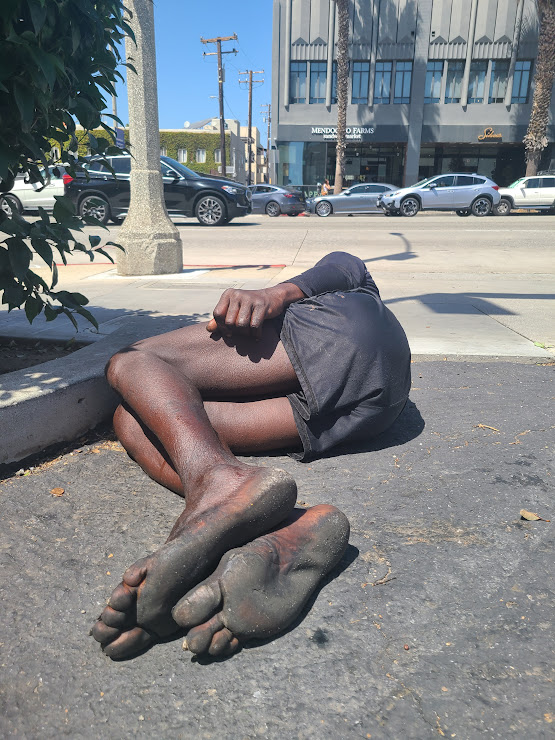
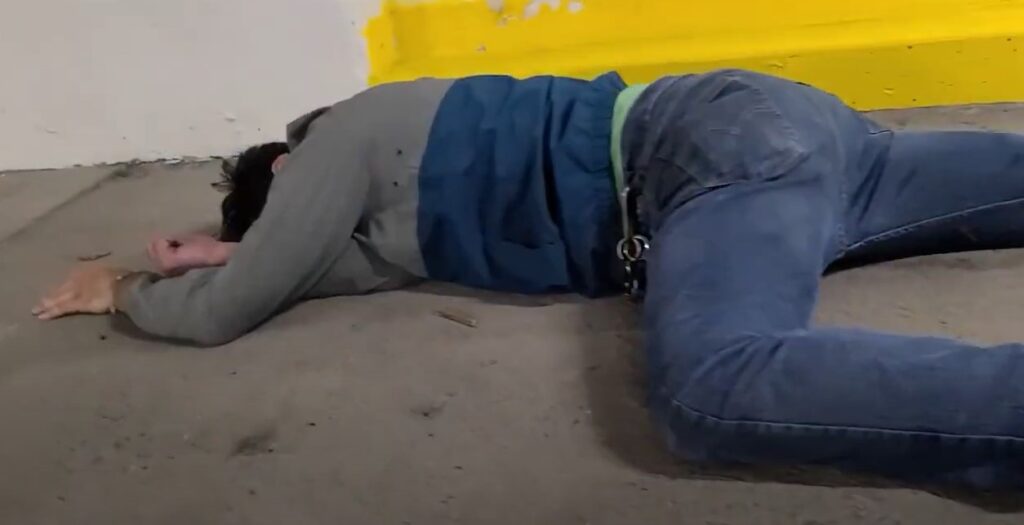
The man collapsed on the street in Tongva Park. Efforts to revive him failed and he died.                Photo: John Alle

The site, Anti-Slavery defines modern slavery as when “an individual is exploited by others for personal or commercial gain. Whether tricked, coerced, or forced, they lose their freedom.”

People, who are addicted to drugs/alcohol have lost control of their lives and are under a chemical master.

The drug master is so powerful, people will do anything to get it, including stealing, have promiscuous sex, sleeping on the streets, alienating and losing people they love and risking death.

It is distressing that the L.A. County of Public Health is supporting the drug master in the form of needles and acceptance, rather than therapy and mental health.

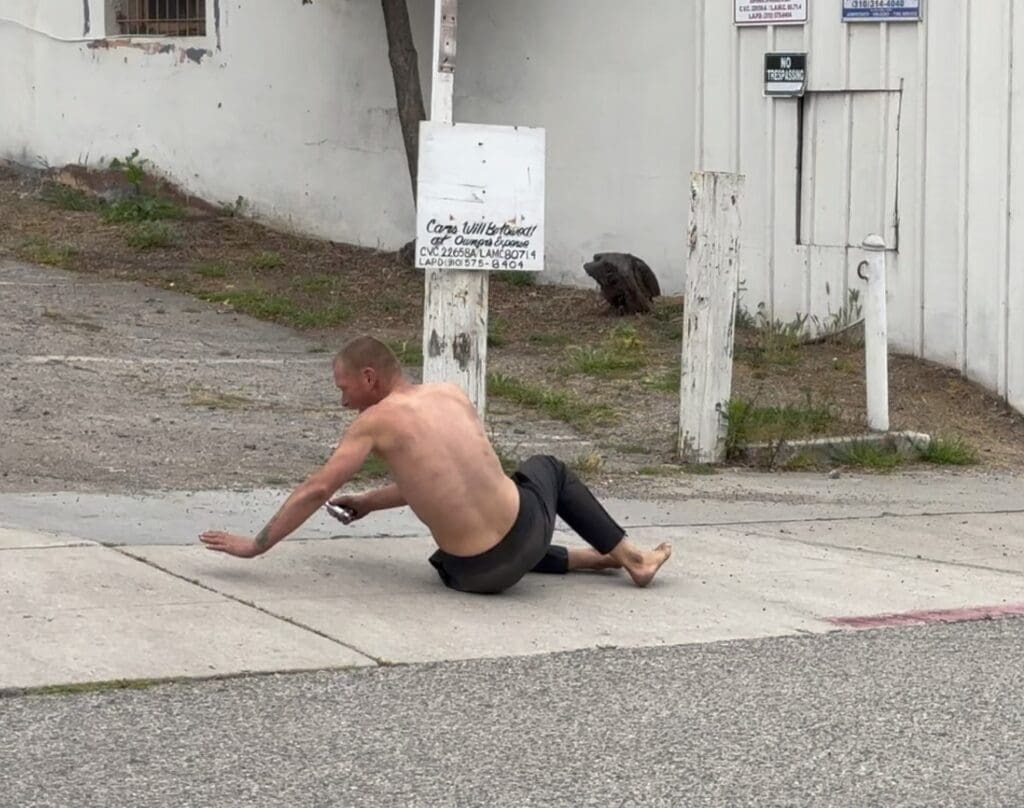
A Palisades resident John Alle discovered used needles and condoms littering three Santa Monica parks, Palisades, Reed and Tongva. He discovered the needle program had started in 2019 through L.A. County Department of Public Health under Dr. Barbara Ferrer.

This editor reached out to the L.A. County Department of Public Health about the program, which is called “harm reduction.”

Ferrer’s office responded in a May 31 email to CTN “Harm reduction services have been demonstrated to reduce overdose deaths, reduce the public use of injectable drugs, reduce transmission of communicable diseases such as HIV/AID and hepatitis, increase access to substance use services, reduce the use of emergency medical services, and prevent the disruption of public safety.”

CTN asked for the stats that show that the program works, that people with addition are helped.

There are no stats to support that this is an effective program for those addicted. The County calls it an “evidence-based” program.

Photo: John Alle

This editor felt it was heartbreaking to see a kid born in 1999 request syringes/Narcan from the L.A. County’s free needle service, via the Venice Family Clinic. This 24-year-old has a family somewhere that might not know he’s alive, and they won’t, with its current program.

The selling point of harm reduction is that at some point the individual will realize that he/she needs to kick drugs and then seek help.

That’s magical thinking, according to the National Institute on Drug Abuse.  “The initial decision to take drugs is typically voluntary. But with continued use, a person’s ability to exert self-control can become seriously impaired. This impairment in self-control is the hallmark of addiction,” and “when you’re addicted you may continue using the drug despite the harm it causes.”

Basically, if one is addicted, they are the slave of the drug, and can’t think clearly or logically. The probably are not going to wake up one day, and say, “I’m going to stop using drugs today.”

With its program, the L.A. County of Public Health enables the “master,” ensuring those enslaved stay that way.

And the budget for this program, “harm reduction” has been increased this year from $5.4 to $31.5 million (tax-payer dollars).

Photo: John Alle

The California Globe’s May 11 story (Crystal Meth Pipe Distribution to Addicts, Homeless Draws Increased Criticism in L.A.”) wrote “A nonprofit program in Los Angeles that passes out crystal meth pipes to addicts for ‘safety’ continued to receive criticism on Thursday as more leaders and members of the public have come out publicly against the practice.”

According to reports, members of Homeless Healthcare Los Angeles primarily distribute these in the Skid Row area of the city. Riding in golf cart, they then pass out crystal meth pipes to the homeless and addicts who want them. While the action has brought outrage, the non-profit, as well as some drug addiction healthcare workers, have said that the service is essential as it is a safety issue and reduces harm.

At least one radio talk-show host has said that harm reduction is just another way of dealing with the homeless, by allowing them to die in the streets.

The National Institute on Drug Abuse, notes that drug use and other mental illness often co-exist. Both need to be treated. Giving addicts clean needles and condoms and waiting for them to realize they need treatment, is ineffective.

The Institute says to treat addiction behavioral therapies are needed: Cognitive-behavioral therapy, Contingency management, Motivational enhancement therapy, Family therapy and a Twelve-step facilitation (an individual therapy typically delivered in 12 weekly sessions to prepare people to become engaged in 12-step mutual support programs).

By adopting “harm reduction,” the L.A. County Department of Public Health has become the pimp to the slave master.

And, the County has plans to expand its program to other L.A. Parks.

The county offers treatment ideas on its website methfreelacounty.org—so if an addict is googling treatment and recovery programs, there is advice available.

Or residents can ask the County to take real action.

The Santa Monica Coalition has started a petition to end needle distribution in its city. https://actionnetwork.org/letters/7587e83044587c236c72dd404b02de831c7b2f94?source=direct_link&

Palisades residents who may want to forestall a similar program here, can write to L.A. County Supervisor Lindsey Horvath and tell her that they support real help for those with addictions, not needles.

Photo: John Alle

Posted in Community, Homelessness | 5 Comments

Potential Fire Site Discovered on Radcliffe Avenue

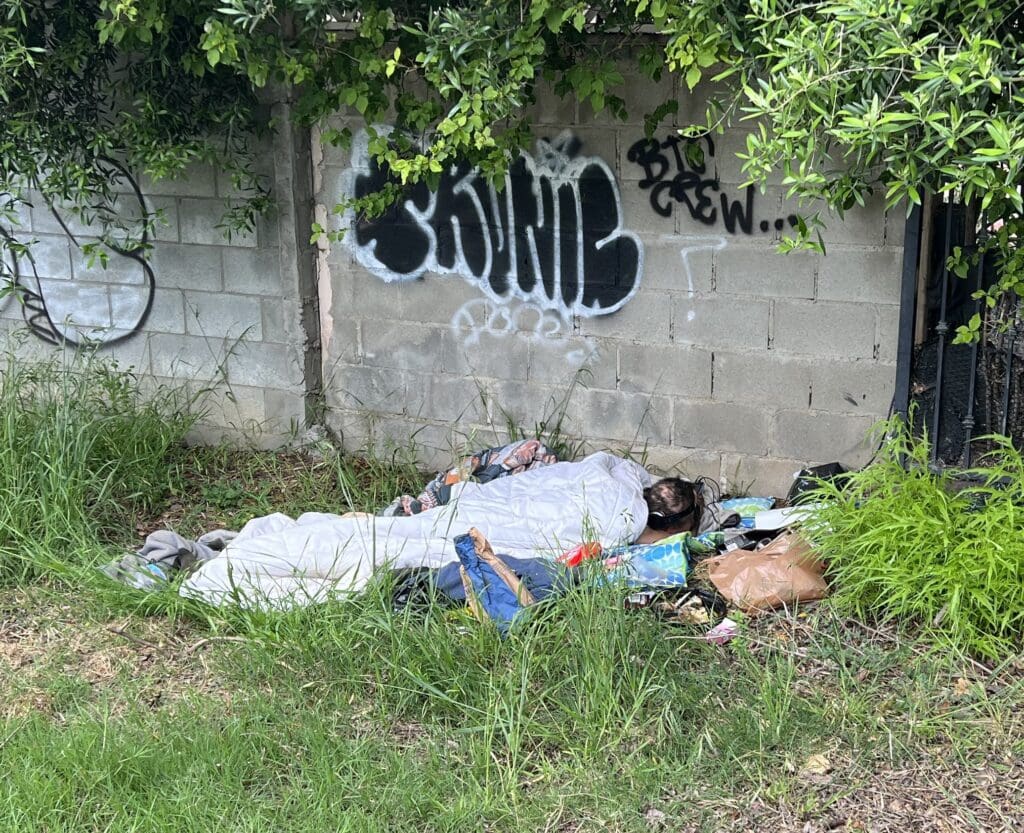
A man, with headphones on, is sleeping by the wall. An electrical cord runs along the cement block through the fence to the neighboring property 623 Radcliffe. Another homeless site was against the opposite wall next to 613 Radcliffe.

Brush clearance is underway around the Pacific Palisades for fire prevention. A vacant lot on Radcliffe Avenue had recently come under scrutiny because homeless were found living on it and an illegal electrical cord had been run from the adjacent home on 623 unto the lot.

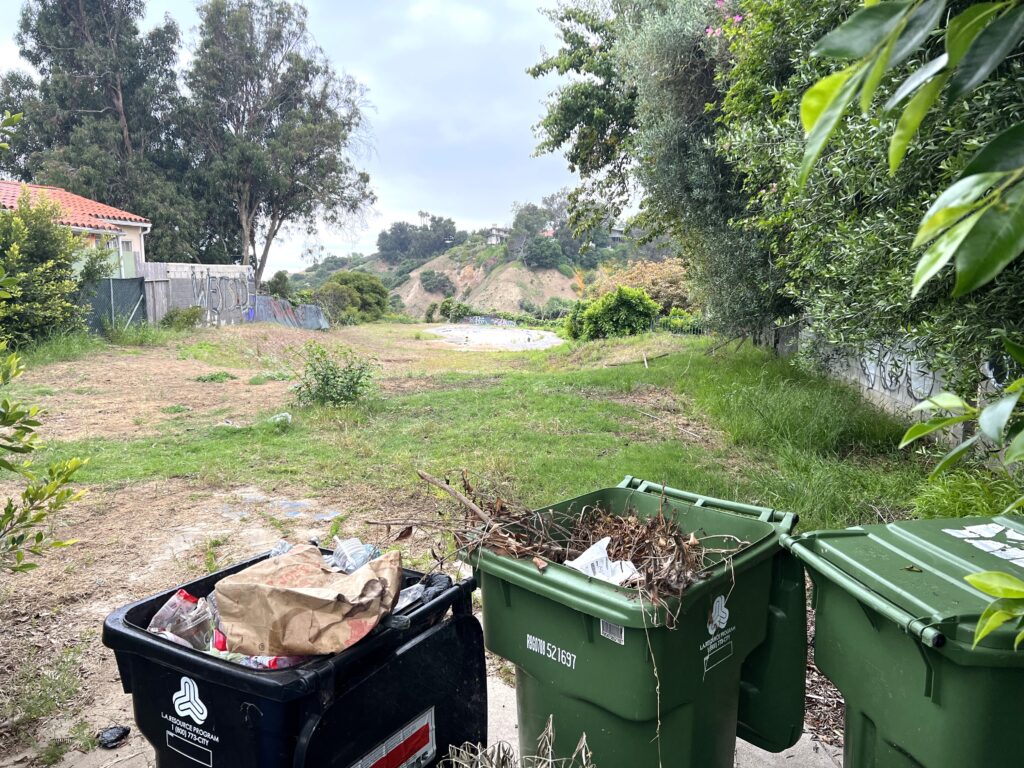
At one time, the area between 613 and 623 Radcliffe Avenue had a house and a pool. Overlooking Temescal Canyon Road, it has a great view of the ocean.

The property has a spectacular view. The trash cans have not been emptied for months, creating a health hazard. The cement pool is on the far side overlooking the canyon.

About six years ago, the house was demolished, and the pool drained.  The lot has remained vacant, and local teens have discovered the area, and turned into a party site for alcohol and drugs.

L.A. County Vector Control left a notice at the end of April, most likely about water left in the pool after the rains.

Last weekend, two homeless men also discovered the area and turned it into a campsite.

The Pacific Palisades Task Force on Homelessness visited the site and cleaned up the garbage that had been left by the homeless.

When the homeowner at 623 was told that he was paying for the electricity by those squatting on the land, he asked, “What do I do?”

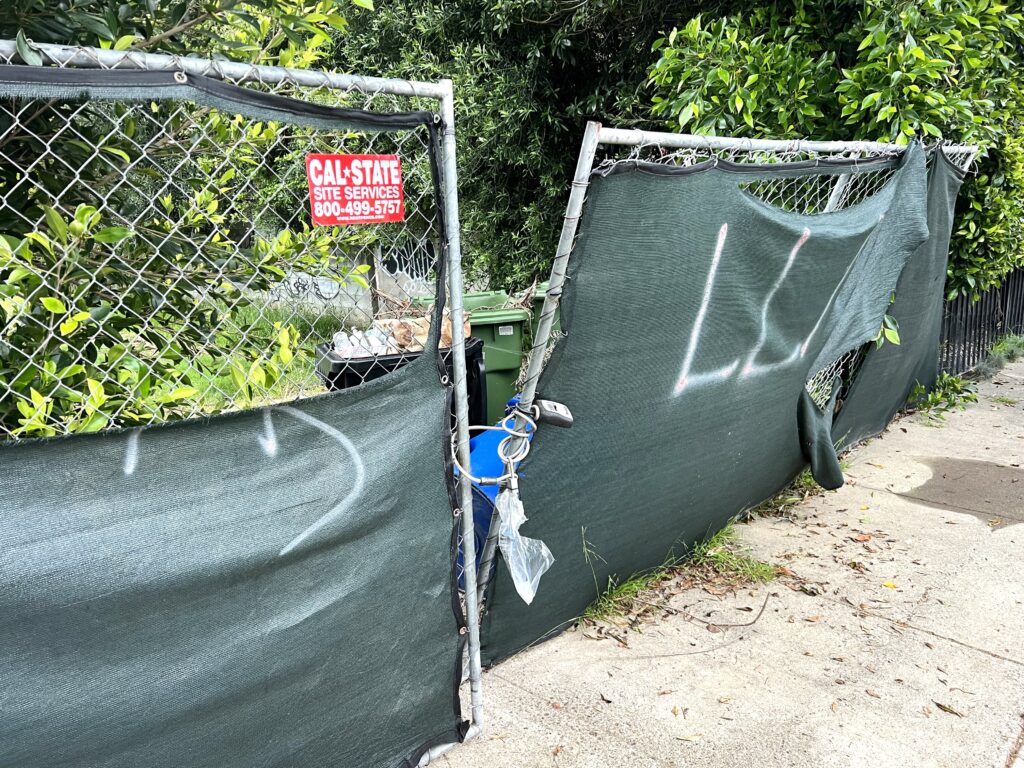
It was suggested that perhaps he secure his property, so illegal campers can’t reach through the fence.

The homeowner at 613 was notified and said, “the kids always come there and smoke and do drugs.”

When task force members tried put the bags full of trash that had been collected in a nearby dumpster, another man sitting on a porch on Radcliffe shouted, “That dumpster doesn’t belong to you.” When the volunteers explained what they were doing, he claimed he had never heard of the Pacific Palisades Task Force on Homelessness.

CTN is looking for the owner of this property. The police cannot go on the property unless the owner has signed a no-trespass form and filed it with the police department.

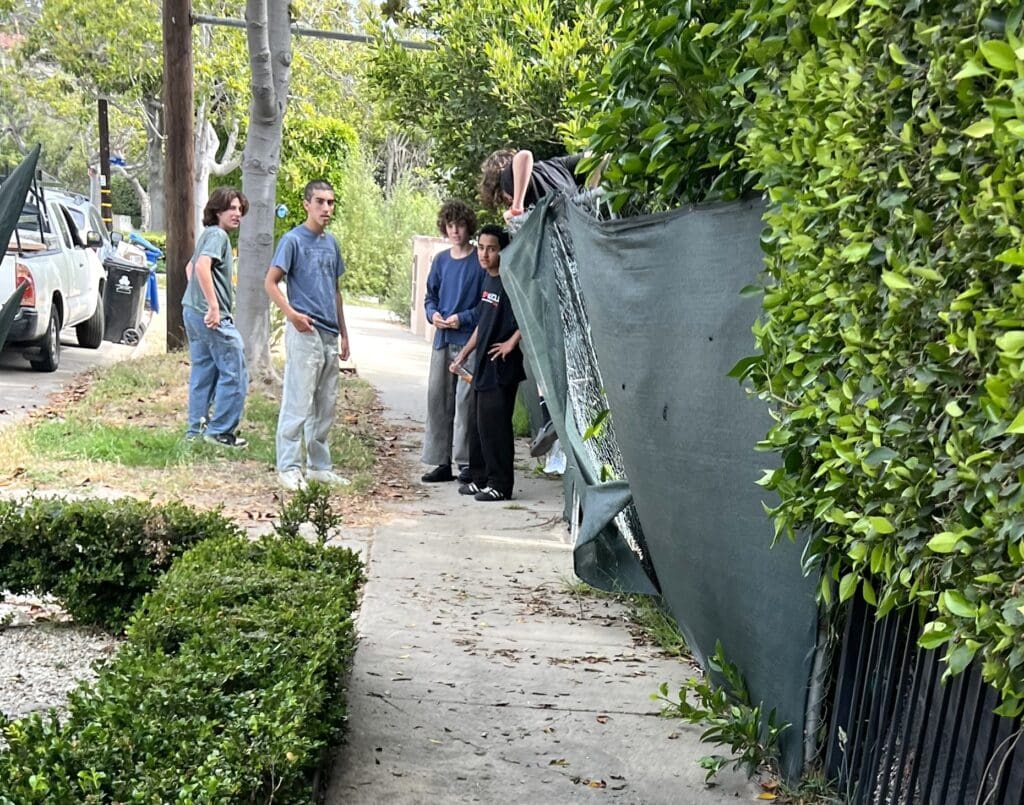
The owner should also make sure the fence is secure, because today at 3:15, this editor took a photo of six teens jumping the fence.

If a fire starts on that property on Radcliffe and spreads during Santa Ana winds, does that make the owner liable for damage to nearby residences?

These teens had been on the property, when this editor caught them jumping the fence on June 12.

In the meantime, residents on Radcliffe may make a donation to the Pacific Palisades Task Force on Homelessness. These volunteers are trying to keep your homes and property safe. (visit: palisadeshomeless.org)

Posted in Real Estate | 5 Comments

Needle Exchange Program Coming to a Park Near You (Part 2)

(Editor’s note: This is part 2 of a series about the needle exchange program in L.A. County Parks. Photos: John Alle)

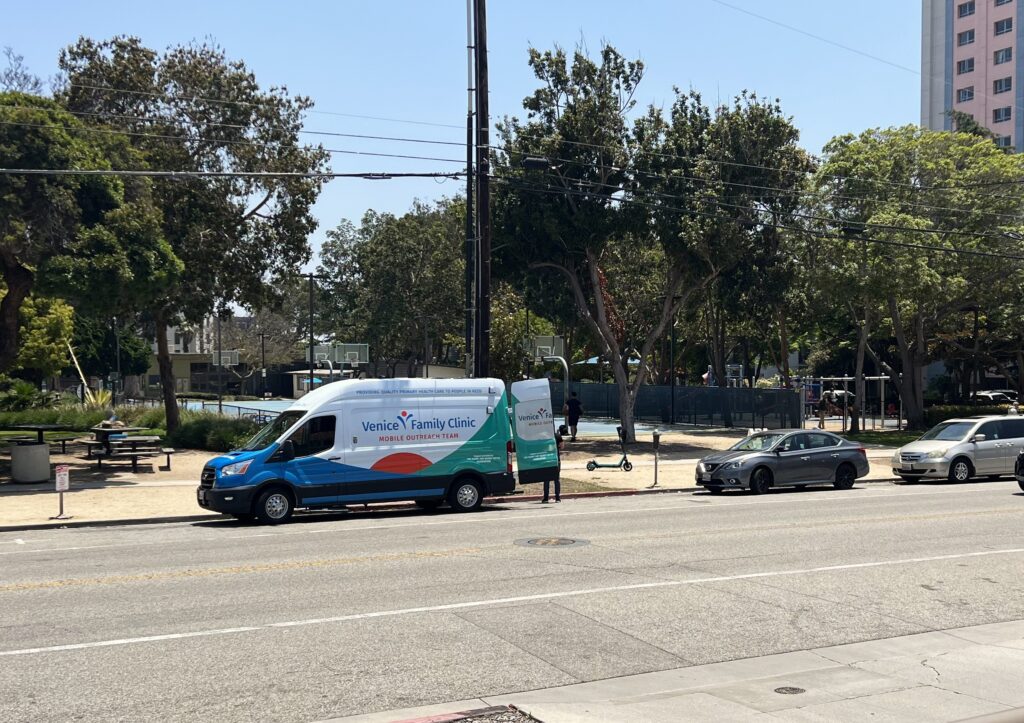
A Venice Family Clinic van pulls up across from Saint Monica High School and Grade School and parks a half block from a playground.

Two men get out and approach those adults lounging in the park at about 1:30 p.m. on a Friday afternoon. A man stays behind and opens the back door to the van. This is a site for drug users to access clean needles, band aids and naloxone.

This editor is sitting at Holy Grounds, a coffee shop located at the edge of St. Monica School and goes to the van and asks what it provides.

The man, probably in his 30s is friendly and explains that they provide overdose prevention services. A young man comes up to the rear of the van, while we’re chatting. I step back. The Family clinic guy asks if he needs a kit, he says “yes,” he asks if he needs wipes, “yes.” He asks if he needs Narcan, “yes,” he said.

The young man was asked for his initials and his date of birth.  He gives them and says he was born in 1999. Holding his kit and wipes, he walks off.

I asked the guy in the van why they ask for initials, if they track the individuals, and he told me the information goes into a database.

Harm reduction means that the needle-exchange clinicians cannot ask them if they would like help, but rather have help ready if an addict asks for it.

This method of harm reduction ignores the families and friends impacted by an addict’s behavior, who might be looking for them.

As this editor stood listening to the interchange, I wondered about the young man’s mother. Did she know her son was standing in Santa Monica? Did she know her son was alive?

Around the corner from the van, a drug deal is going down in the park.

Reverend Andy Bales, who has worked with the Union Mission in Skid Row and with addicts since 1994, was appointed to the Los Angeles Homeless Services Authority Commission in November.

“I believe in recovery and people that are homeless with addictions — whether the addiction developed because of it or led to it — the addiction still needs to be addressed for them to live a whole healthy complete life,” Bales said in an April 2021 Newsweek Story.

A May 12, 2023, L.A. Times Story (“L.A. County Wants to Curb Riskier Fentanyl Use. Its Approach Worries Some Activists”) it notes that L.A. County has increased its “harm reduction” budget from $5.4 to $31.5 million and that includes giving out glass pipes.

The story points out that many skid-row residents say harm reduction, which in some form has a 40-plus-year history, albeit largely underfunded, hasn’t worked, and they see the pipes as hurrying homeless people along to their destruction.

“‘We’re trying to give them real help. We don’t give them drug tools,’ said Skid Row activist Tony Anthony, whose video of pipe distribution was on local news.”

To which Bales tweeted “With fentanyl deaths soaring, L.A. County is giving out drug pipes and other supplies-NO! We don’t want to keep them smoking!! Thankful to my friends, OG, & Anthony, for sharing some common sense. I’m broken hearted about lack of the same from LA County.”

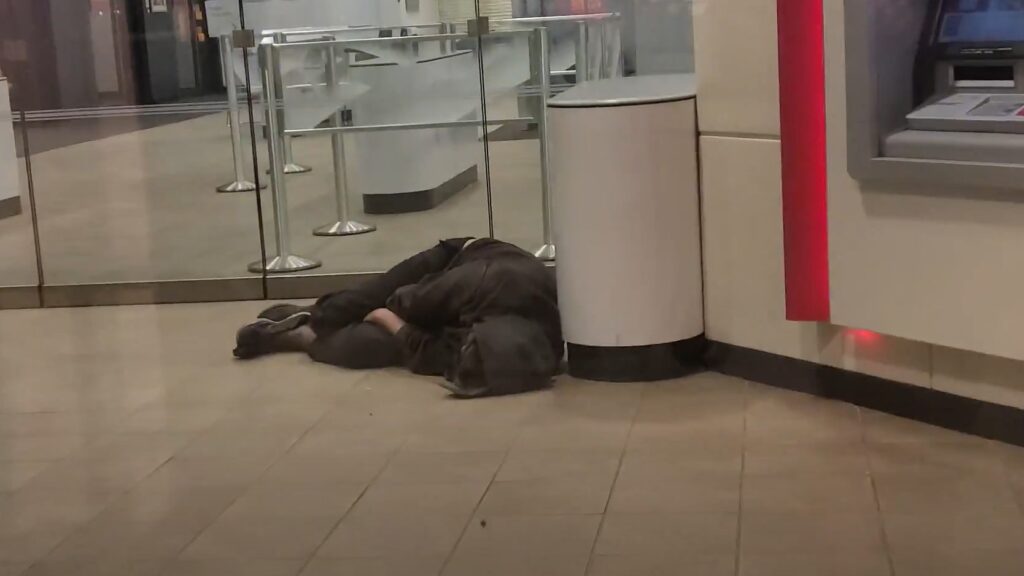
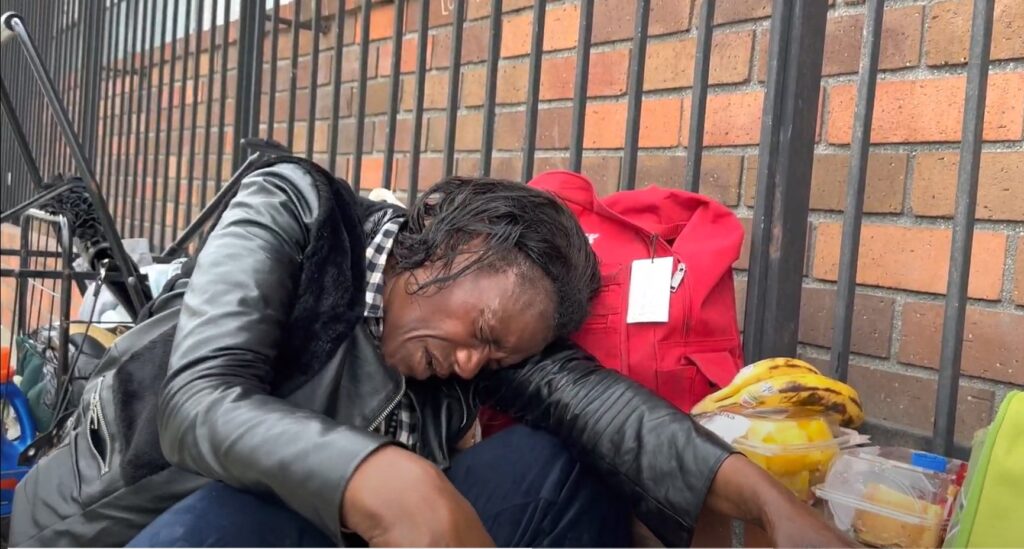
This woman needed medical attention when John Alle went back to give her numbers to call for aid.

In a February 2023 opinion piece in the Daily News (“Barbara Ferrer and Gary Tsai: We Must Take Bold Action to Halt the Tragic Drug Overdoes Crisis”)

“Harm reduction includes a range of strategies that prioritize the health and well-being of people who use drugs over complete abstinence from substances. It is grounded in respectful and nonjudgmental services that meet people who use drugs wherever they are along the continuum of recovery.

“In fact, harm reduction is an aspect of medical care for many diseases and conditions already. For example, we do not tell people with diabetes that they can’t be eligible for treatment unless they comply with diet restrictions 100% of the time or that people with heart disease can’t receive care unless they exercise.  . . .

“These sites do not furnish drugs to people; they furnish a safer environment for people to use the drugs they are going to use anyway.

“The ability to expand harm reduction strategies should be coupled with an increased focus on addressing the root causes of human suffering with upstream interventions. At its root, substance use is often associated with a lack of connection to meaningful relationships, activities, and purpose.”

Bales, who for 30 years, has dealt with people who have addictions, told KABC’s John Phillips that Ferrer doesn’t know what she’s talking about, and that the department is wrong about addiction.

The County said “clients are provided both intranasal and injectable naloxone to reverse opioid overdoses and hygiene kits. Clients who are interested in substance use treatment are referred to the Venice Family Clinic SUMMIT program. Clients are referred to Venice Family Clinic’s Common Ground program for HIV and hepatitis C testing. If they require medical intervention, the homeless outreach unit from the Venice Family Clinic will go see the patients in their location.”

The county noted that “Each interaction individuals have with outreach staff becomes an opportunity to discuss ways they can decrease their risk for overdose and for residents to connect with treatment when they are ready.”

This editor’s observation, and that of Santa Monica Coalition’s Allen, who was lying on the ground in Reed Park, was no one is asking addicts if they would like to kick the habit, or if they would like to go to drug rehab, or if they want medical help or if they want to talk to someone.

“Harm reduction” has morphed into a movement that is described by the National Harm Reduction Coalition, as “a philosophical and political movement focuses on shifting power and resources to people most vulnerable to structural violence. . . and the realities of poverty, class, racism, social isolation, past trauma, sex-based discrimination, and other social inequalities affect both peoples’ vulnerability to and capacity for effectively dealing with drug-related harm.

“Establishes quality of individual and community life and well-being—not necessarily cessation of all drug use—as the criteria for successful interventions and policies.”

Reverend Andy Bales, in an op-ed piece about Housing First wrote the Union Rescue Mission, founded in 1891, practices a faith-based “recovery model.” The 12-month intensive program includes 2,000 hours of a biblical 12-step program, recovery classes, work therapy, counseling and a physical fitness class.

Even though there are no statistics to show harm reduction works, the county now has increased its harm reduction budget to $26 million.

In three different emails, CTN asked if there was a plan to open needle exchange programs in other L.A. County locations. That question was never answered.


Posted in Health, Parks | 1 Comment

Resident’s School Ushers Student into $2 Million in Scholarships

At Qualia High School graduation, seniors Terrin Busby Thompson (left) and Diego Martinez-Hahn, pose with school founder Jim Hahn.                                                                                                                         Photo: Maggie Storm

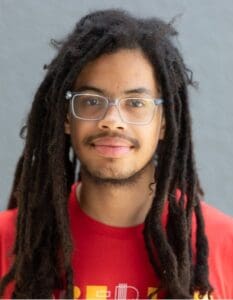
Colleges offered more than $2 million in merit scholarships this spring to Terrin Busby Thompson, a senior at Qualia: The School for Deeper Learning, a Calabasas school co-founded by Sunset Mesa resident Jim Hahn.

Busby Thompson eventually turned down all of this money, which included a four-year full-tuition/room-and-board scholarship to Clark University and a four-year full-tuition scholarship to Sarah Lawrence College, to attend the Massachusetts Institute of Technology.

“I know anything I take at MIT is going to be modern and the newest in its field,” Busby Thompson said about his eventual choice. Also, upon visiting MIT, “I found spaces where I felt really comfortable, and I met people I could really connect with. Everyone there is so driven, which produces an environment that’s really supportive of doing things one enjoys.”

This emphasis on connection, advanced knowledge, and individual pursuits dovetails with the mission of his high school, Qualia. Over his years there, which began at its former location in West Los Angeles, Busby Thompson explored topics ranging from travel in hyperspace to music production with traditional Japanese instruments. Because the Las Virgenes Road school encourages students to create projects to demonstrate their learning, he made both songs and video games for multiple courses, ranging from Japanese to Advanced Literary Analysis, in addition to writing critical essays on topics that intrigued him.

Hahn, who grew up and still lives in the Sunset Mesa area, noted that this focus on interests and passions not only made Busby Thompson’s high school experience a learning adventure, it also paid off when applying to colleges.

“I really like it when kids aren’t obsessed with the admissions game and lean into pursuing their passions to the fullest,” said Hahn, whose parents, Jim, a former Palisades Rotary Club president, and Jeanne, live next door to him. “In Terrin’s case, it’s gratifying to see that leading his life that way has translated into such success.”

The approach has also worked for other Qualia graduates, including Hahn’s children, who both attended the school, which opened 16 years ago in West L.A.

Amy, 20, will graduate from Pitzer College next year with a degree in sustainability and the built environment, while Diego, 18, is headed to Vassar College this fall to study his biggest passion, anthropology, an interest he shares with his father, who earned a Fulbright Scholarship to study medical anthropology on the island of Yap after earning his master’s in anthropology at UC San Diego in 1991.

Busby Thompson’s biggest passions center around all aspects of video game creation, including music, programming, story creation, and art, but he also is fascinated by philosophy, mathematics, and the mythology of cultures around the world. His goal in shopping for colleges was to find a place where he could feel at home while continuing this combination of explorations.

MIT wasn’t his dream school. In fact, before his admittance, he spent little time thinking about MIT and similarly competitive colleges that are sometimes described as “highly rejective,” such as Brown University and Carnegie Mellon University, two schools where he also gained entrance.

He felt the likelihood of acceptance was so low, around 4 percent at MIT and Brown and in the computer science department at CMU, that he focused instead on learning about the variety of other colleges that were likely to admit him and would offer avenues for him to pursue his interests in a collaborative and creative atmosphere.

He knew his qualifications were strong. He was named a National Merit Semifinalist in the fall, plays both piano and alto saxophone, and was a straight-A student with strong extra-curricular activities, including long tenures in the NTYME Jazz Band and UCLA Math Circle.

His college counselor had complimented his essays, calling one “a masterful piece of work” that could be used “as a model to teach other students how to write these kinds of essays.” Busby Thompson also expected to receive enthusiastic recommendations from his Qualia teachers with whom he had developed particularly close relationships through his small, passion-driven classes.

He hoped that multiple acceptances would come his way, but he had no idea that he would be in store for so many and that they would be accompanied by such hefty scholarships. For example, Case Western Reserve University offered him $174,000 over four years, while both Occidental College and the University of Redlands gave him scholarships worth $140,000 to encourage him to pick their schools.

In fact, by April 1, he had become so overwhelmed by acceptances and financial enticements that he knew he could study happily at more than a dozen schools, including Oberlin College and Conservatory, Grinnell College, and Chapman University. He also received offers of strong financial aid (more than $1 million for his freshman year alone) from schools that give few, if any, merit scholarships, but do meet applicants’ need, including not only Brown, Carnegie Mellon, and MIT, but Harvey Mudd College, Reed College, Swarthmore College, Williams College, Emory University, and Washington University in St. Louis.

Terrin Busby Thompson           Photo: Maggie Storm

“I’m honestly a bit sad that I don’t get to attend some of the other places, but there’s only one you can choose in the end,” Busby Thompson said.

For other students beginning the college application process, he offered one piece of advice from his intensive college search.

“The biggest thing I learned was that the colleges really want to find people that are good fits for them,” he said. “The numbers are important, but, at some point, that becomes a starting point. Then, you have to tell them who you are and how that intersects with their mission.”

Hahn agreed. He advises students, “Be passionately weird. Figure out what makes you weird and lean into it.”

Posted in Kids/Parenting, Schools | Leave a comment

Needle Exchange Program Coming to a Public Park Near You (Part 1)

(Editor’s note: This is a two part series about the L.A. County Department Health’s Program that provides needles to addicts. There are no statistics to show the program works to help addicts. Photos: John Alle.)
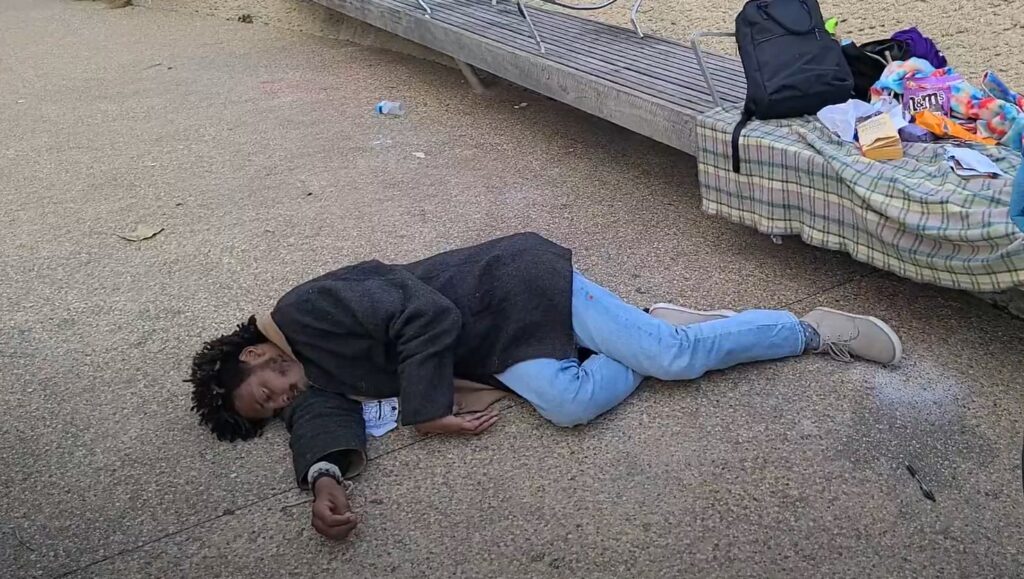
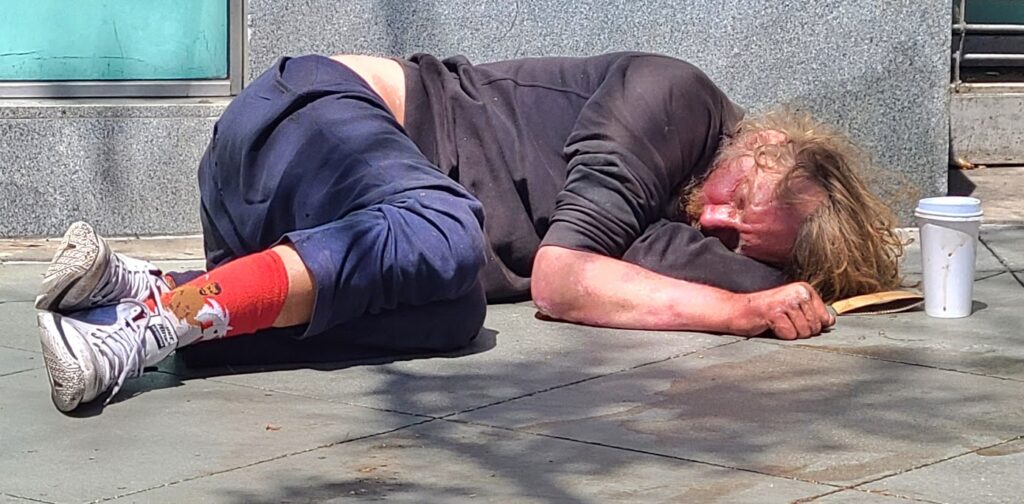
The man collapsed on the street, in front of John Alle.

While the Santa Monica Ambassadors we’re trying to decide what to do, Alle called paramedics.
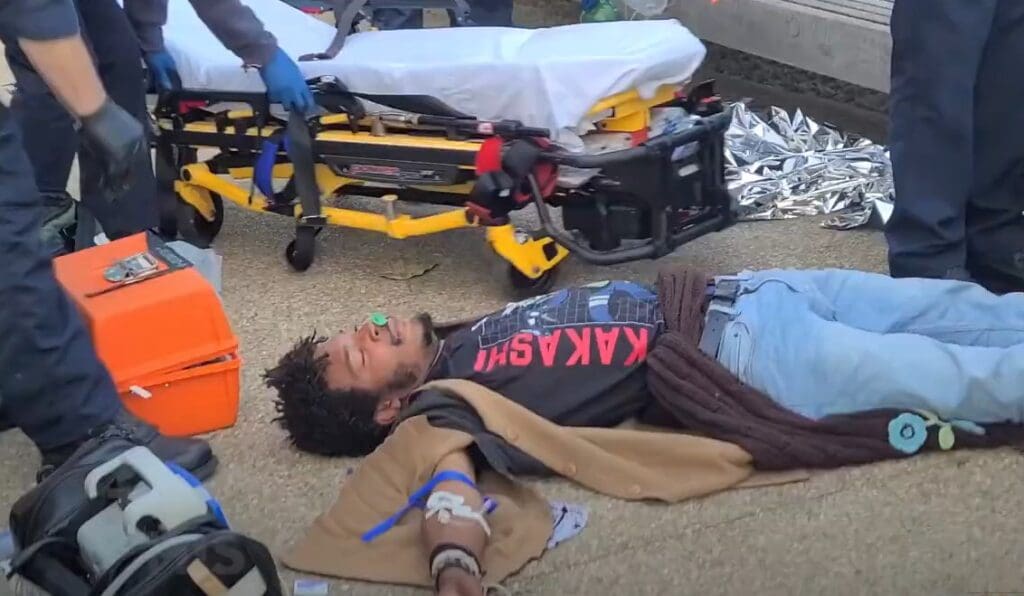
Santa Monica paramedics tried to save the man with Narcan, he died on the way to the hospital.

A Palisades resident John Alle discovered used needles and condoms littering three Santa Monica parks, Palisades, Reed and Tongva.

As a Santa Monica Promenade businessman, he’s had increasing trouble with addicts, “smash and grab” crime and the mentally ill roaming the streets. Business vacancies have skyrocketed.

Alle is a member of the Santa Monica Coalition, a group trying to restore public safety to the downtown area. He was upset upon discovering the needles and mirrored the concerns of many residents who didn’t want children stepping on used condoms or sharps at playgrounds.

He discovered the needle program had started in 2019 through L.A. County Department of Public Health under Dr. Barbara Ferrer. The SM Coalition reached out to Ferrer and her colleague Dr. Gary Tsai, requesting a meeting.

Members of the coalition met with Ferrer on May 22 and according to a report from the meeting, there were no metrics of the success of the needle exchange program, and there were no records or names of those who asked for needles. The group was also told that there are no referrals or contacts for follow-up mental health of sobriety/drug rehab programs.

CTN reached out to L.A. County DPH on May 27 to ask about the program, which is administered under the idea of “harm reduction.”

Ferrer’s office responded in a May 31 email to CTN “Harm reduction services have been demonstrated to reduce overdose deaths, reduce the public use of injectable drugs, reduce transmission of communicable diseases such as HIV/AID and hepatitis, increase access to substance use services, reduce the use of emergency medical services, and prevent the disruption of public safety.”

“For example, in high-risk populations, upwards of 20% of naloxone doses distributed may result in overdose reversals, meaning that a life is saved for every 5 doses of naloxone distributed,” her office responded, but did not send statistics to back that claim.
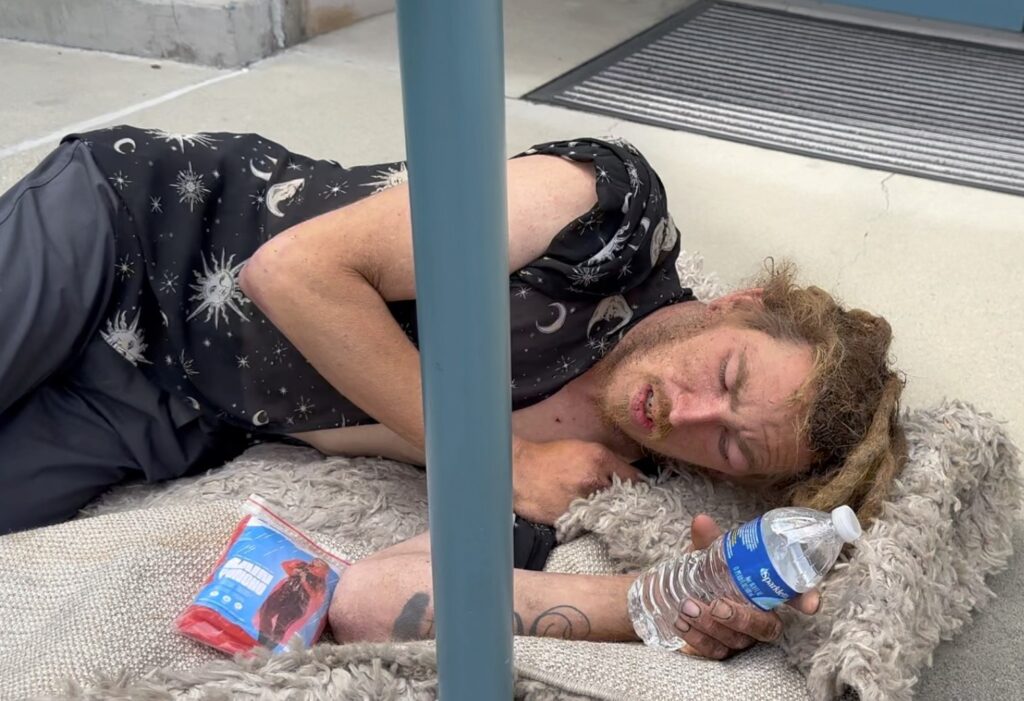
Circling the News asked for the statistics for the program’s success. There are none available.

CTN also asked for the research that shows “harm reduction,” which first instituted a needle exchange program in the late 1980s is successful at treating addiction.

Harm reduction was a concept introduced in the late 1980s, largely because of the HIV/AIDS epidemic (HIV-human immunodeficiency virus and AIDS-acquired immunodeficiency syndrome).

AIDS was spread not only sexually, but also through intravenous transmission via needles At the time heroin was one of the drugs most injected.

A National Library of Medicine “(AIDS.2008) study “The Role of Harm Reduction in Controlling HIV Among injecting Drug User,” noted that “It has been known since at least the early 1990s that HIV among IDU (injecting drug users) can be easily controlled by the early and vigorous implementation of a comprehensive ‘harm reduction package.’ This package consists of education, needle syringe programmes, drug treatment and the community development of drug users.”

By 2005, there were 22 nations that approved of harm reduction as a method of HIV prevention, the US was not one of them.

The report also noted, “The debate about the essence of illicit drug use is still unresolved. Zero tolerance supporters see any illicit drug use as intrinsically evil, whereas harm reduction practitioners focus on trying to prevent damage.”

Ferrer’s office was asked for data to support the current needle exchange program. Three studies were sent to CTN, a 2000 “Effectiveness of Syringe Exchange Programs in Reducing HIV Risk Behavior and HIV Seroconversion Among Injecting Drug Users,” which was based on 48 studies. The authors concluded there were issues with the study because there were no control groups and no randomized trials.

The authors wrote “an ideal study would involve a prospective cohort recruited and interviewed before implementation of syringe exchange, such that IDU (injecting drug user) who would later go on to use an SEP (syringe exchange program) could be clearly differentiated in terms of risk from those wouldn’t.”
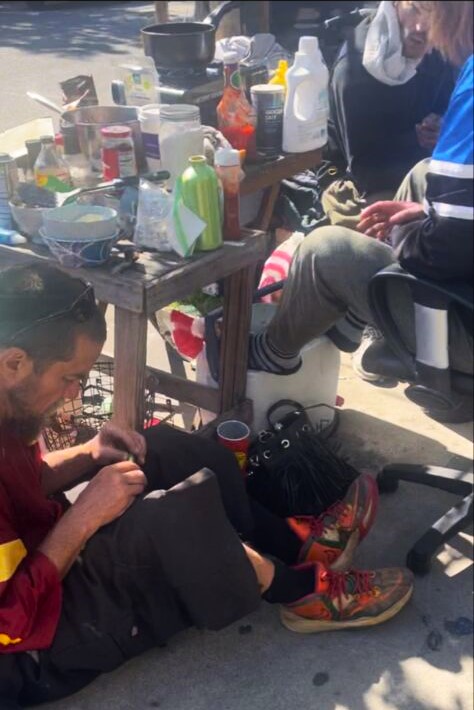
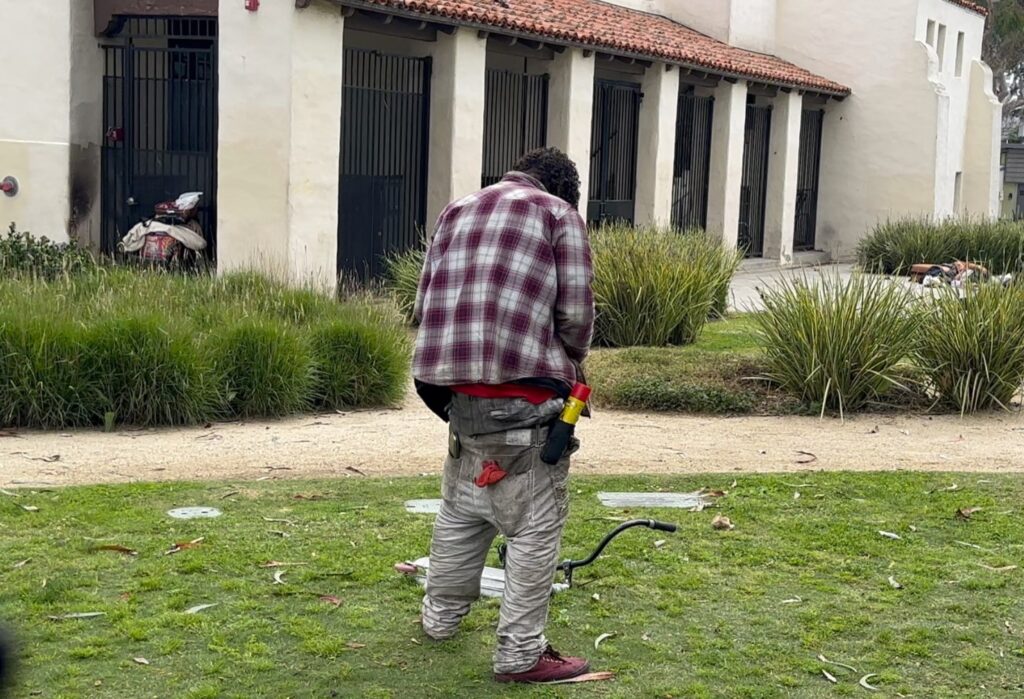
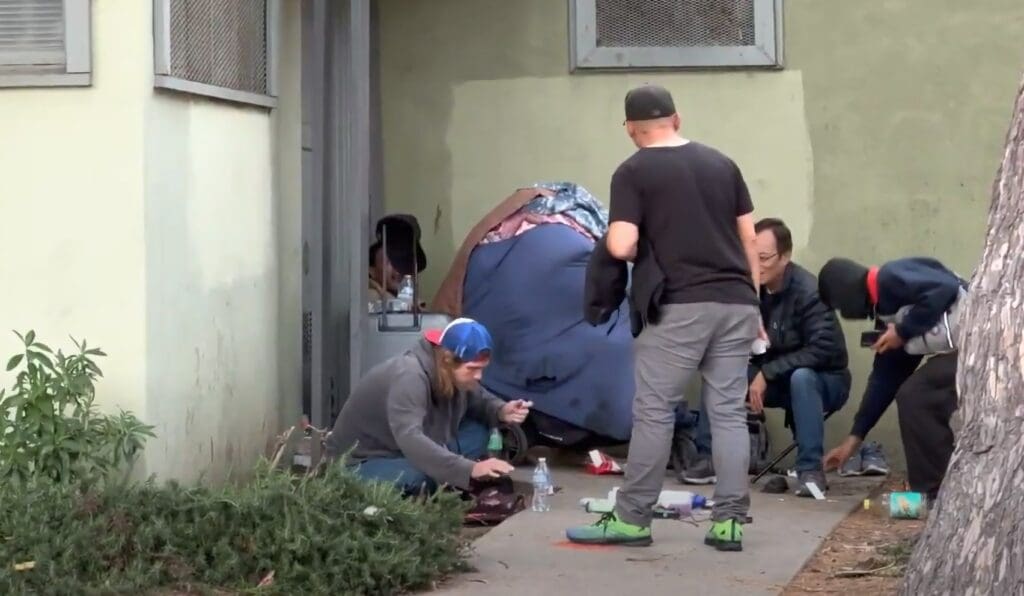
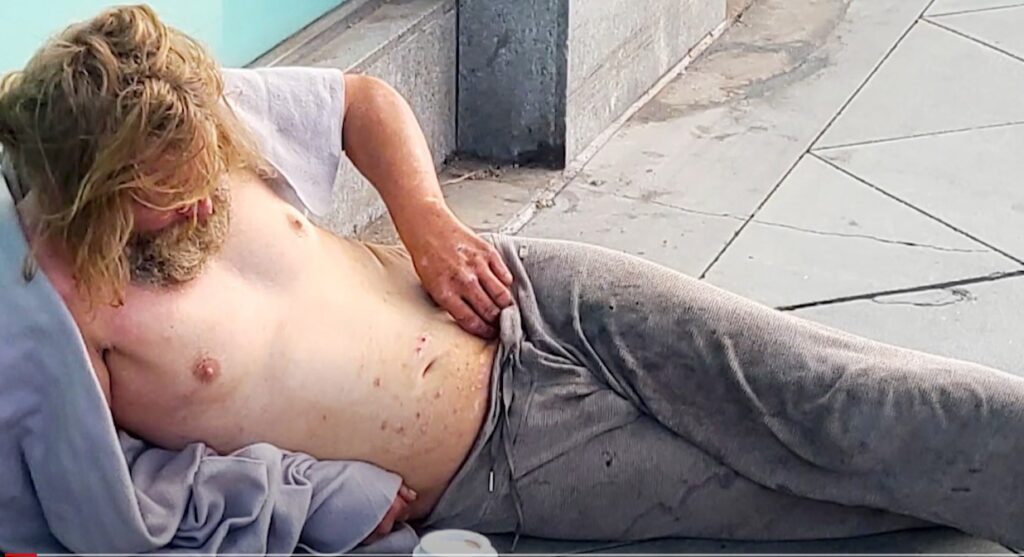
Taking drugs in Santa Monica.

The second study Ferrer’s office sent was from the Journal of the American Pharmacist Association (2022) “Expanding the Accessibility of Harm Reduction Services in the United States: Measuring the impact of an Automated Harm Reduction Dispensing Machine.”

A vending machine was placed in Cincinnati that allowed addicts the following products every seven days: two doses of IM naloxone, two doses of naloxone nasal spray, a sharps container, a safer injection kit, a safer smoking kit, a Personal Protective Equipment kit, a safer sex kit, a pregnancy test and a box of bandages.

The paper concluded that “the machine was associated with a lower countywide incidence of unintentional overdose death and HIV. The association with decreased overdose death and HIV incidence should be further investigated to assess causality.”

Once again, the study pointed out there was no measured cause and effect.

The third article was a 2014 article from the International Journal of Drug Policy (“The Cost-Effectiveness of Harm Reduction,”) funded by the Australian National Health and Medical Research Council and the World Bank Group.

It concluded that needle-syringe programs, combined with Opioid substitution therapy and antiretroviral therapy for people, was cost effective when compared to the medical lifetime cost savings.

“Numerous studies have examined the effectiveness of each harm reduction strategy” the article said. “Each approach has clear evidence of impact on reducing drug dependency on reducing risk behaviors and ultimately averting HIV transmission.”

Harm Reduction, in the articles sent by L.A. County to CTN is about preventing the transmission of AIDS among drug users, who’s preferred method was injection. At one time, heroin was the injected drug of choice of drug users. Heroin deaths reached a high of 15,482 in 2017 and since have declined: 9,173 deaths were reported in 2021.

Many may remember that HIV is the virus that causes AIDS and the first cases in the United States were reported in 1981. By 1986, AIDS was considered an epidemic and to be diagnosed was a death sentence. As of 2018, about 700,000 have died of AIDS and about 13,000 people die annually.

Antiretrovial therapy was developed. Although it doesn’t cure HIV, the medicine can lower the virus to undetectable levels where it can’t harm the body.
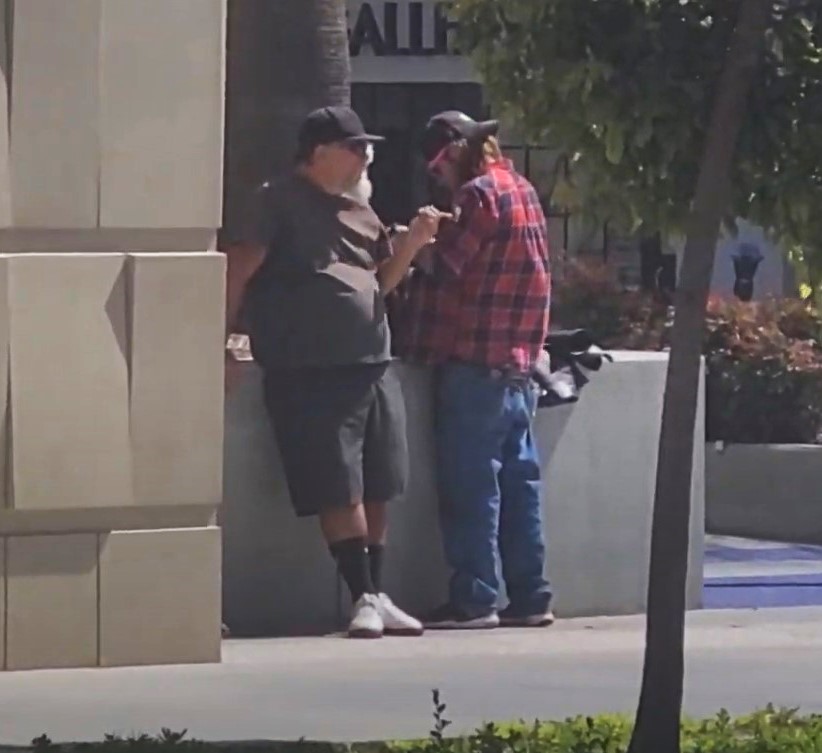
After buying drugs, three men share a pipe by the Santa Monica Public Library (one is hidden).

CTN stopped by the Santa Monica Police Department on June 2 and asked which illegal drugs were most often used in 2023.

“Methamphetamine and fentanyl,” was the response by the officer, who explained that fentanyl generally comes in pill form and that users think they are taking another drug. Meth, which looks like rock salt, can be snorted, smoked, ingested or injected.

More than 109,000 persons died from drug-involved overdose in 2022, and it’s estimated that 67 percent of those deaths were from fentanyl.


(“Needle Exchange Coming to Your Neighborhood, Part 2,” Will Run Tomorrow.)

Posted in Health, Parks | 1 Comment

Palisades High School Class of 2023 Graduates 749


Palisades High  students run out of the stadium after the ceremony.  Rich Schmitt/Staff Photographer

(Editor’s note: Photographer Rich Schmitt took some excellent photos of the graduation event–to see the fine selection, visit: http://richschmittphotography.com/paligradlow/. These photos may not be used or reproduced without permission).

Palisades High School Class of 2023.
Rich Schmitt/Staff Photographer

By CHAZ PLAGER

In a fortunate departure from the past three years, the Palisades Charter High School graduation was sunny and clear this year on June 8.

Promptly at 3:30 p.m., 749 graduating seniors, followed by members of the faculty, filed into the PaliHi Stadium by the Sea, to the processional “Pomp and Circumstance,” played by the Pali Orchestra.

In an unfortunate turn of events, there was an error on ticketing and about 40 parents were unhappily stranded outside the gates during the ceremony.

Once everyone had filed in, Student Body President Peter Garff, led the Pledge of Allegiance. A Pali jazz ensemble performed the National Anthem.

A multilingual welcome was performed by 16 students, each in their native languages, which included Farsi, Tagalog, Hebrew, Korean, French and Spanish.

Principal Dr. Pam Magee gave the opening address. “I think everyone here deserves to thank their teachers – the unsung heroes of our nation, who have prepared these seniors for the next chapters of their lives.”

After her address, Dr. Magee invited LAUSD Board member Nick Melvoin to speak. He shared his wisdom for what to do after graduation: “I think most graduation speakers will tell you to go out and change the world. I will too.

“But the world is rarely changed by grand, sweeping gestures; rather, acts of kindness spread among many will change it,” Melvoin said.

PaliHi’s acapella choir, AcaPali, performed “End of the Road” a 1992 R &B song by Boyz II Men, “Although we’ve come to the end of the road, Still I can’t let go. It’s unnatural. You belong to me. I belong to you.” Although the lyrics are about a relationship breakup, it also signifies that something has run its course.

Student Council President Talia Davood followed the song with a heartfelt speech about what will come next for Pali students and herself.

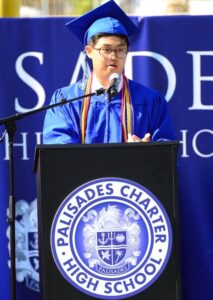
Valedictorian Dohyun Andy Ju Rich Schmitt/Staff Photographer

Dohyun “Andy” Ju gave the valedictorian address about the accomplishments that he and students had made in their four years at Pali.

Next was PaliHi’s chorus, who performed a cover of “Everybody Wants to Rule the World” by Tears for Fears: “Welcome to your life/There’s no turning back. . . .”

Brent Madriejo was this year’s student speaker, who spoke on his struggles with cancer and utilizing the time left in one’s life. “Today, we celebrate what we have accomplished and keep going. Persist!”

Academic Director Dr. Chris Lee expressed his well wishes to the graduating class and began the diploma presentation alongside Dr. Magee.

Each student approached the stage and received their diploma as their name was read, some approaching the stage in unconventional ways such as cartwheels, dance routines, or flips. Once the presentation had completed, the graduating class cathartically threw their diplomas into the air, celebrating the end of four years and the beginning of the rest of their lives.

Kayden Porter showed her excitement after receiving her diploma.
Rich Schmitt/Staff Photographer

Everyone was happy at the end of the almost two-hour ceremony.
Rich Schmitt/Staff Photographer

Dad Cesar Garcia gives his daughter Heidi a kiss after the ceremony.
Rich Schmitt/Staff Photographer

Posted in Schools | Leave a comment

Pacific Fire Stopped on Thursday: Councilwoman Park Will Host Safety Fair Saturday

PACIFIC FIRE:

A fire, dubbed the Pacific Fire, broke out at around 1:15 p.m. on June 8, near the intersection of Topanga Canyon Boulevard and Pacific Coast Highway.

PCH was shut down in both directions at Topanga, as several L.A. County Fire Department units battled the fire, which initially covered about a quarter of acre of land.

The area reportedly had heavy vegetation, which led the fire to grow to about an acre about 10 minutes later.

Initially a helitanker was requested to fly over the blaze, but firefighters cancelled it, anticipating being able to extinguish the blaze. The fire department reported the fire’s forward programs had been stopped at 1:44 p.m. and that no injuries or structure damage was reported.

PCH reopened around 2:30 p.m., but traffic was stop and go on Topanga Canyon Road and portions of PCH.

PUBLIC SAFETY FAIR SATURDAY:

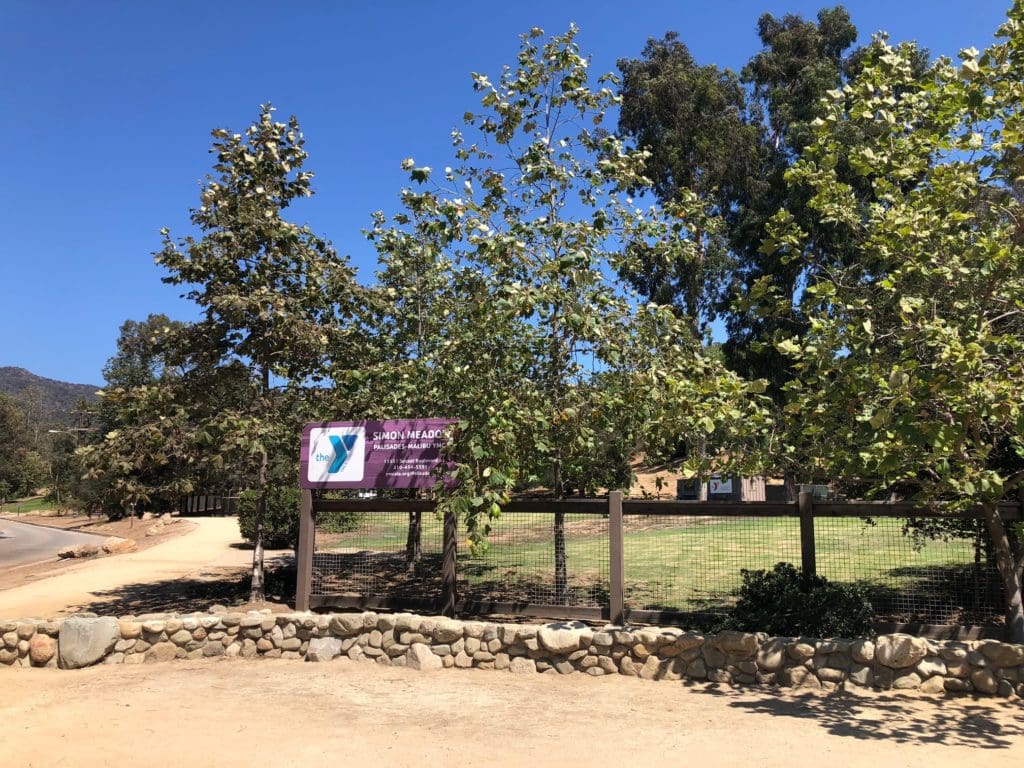
Simon Meadow will be the site of a Regional Public Safety Fair on Saturday.

To celebrate June as National Safety month, Councilmember Traci Park is hosting a Regional Public Safety Fair from 11 a.m. to 2 p.m. on Saturday, June 10.

The event, co-sponsored by the Pacific Palisades and Brentwood Community Council and the Palisades-Malibu YMCA will be held at Simon Meadow, located at the corner of Temescal Canyon Road and Sunset Boulevard. The event is free and all are welcome to attend.

Those participating or having tables in the meadow, include Los Angeles Fire Department (Station 69), Brush clearance representatives and CERT (Community Emergency Response Team).

Los Angeles Police Department will be represented as will the Pacific Palisades Task Force on Homelessness.

The City’s Emergency Management Department, the Department of Disability and MySafe:LA will attend.

Local groups participating include Resilient Palisades, the Palisades Forestry Committee and American Legion Post 283.

The offices of LAUSD School Board Member Nick Melvoin, State Senator Ben Allen and L.A. County Supervisor Lindsey Horvath will also be represented.

“This is a great chance to learn from our local experts about safety precautions and emergency preparedness, said Councilmember Traci Park. “The safety of our community is our top priority, and this fair is a step forward in ensuring that.”

Posted in Accidents/Fires, City, City Councilmember Traci Park, Crime/Police | 1 Comment