“Other Desert Cities” Provides Thought-Provoking Evening

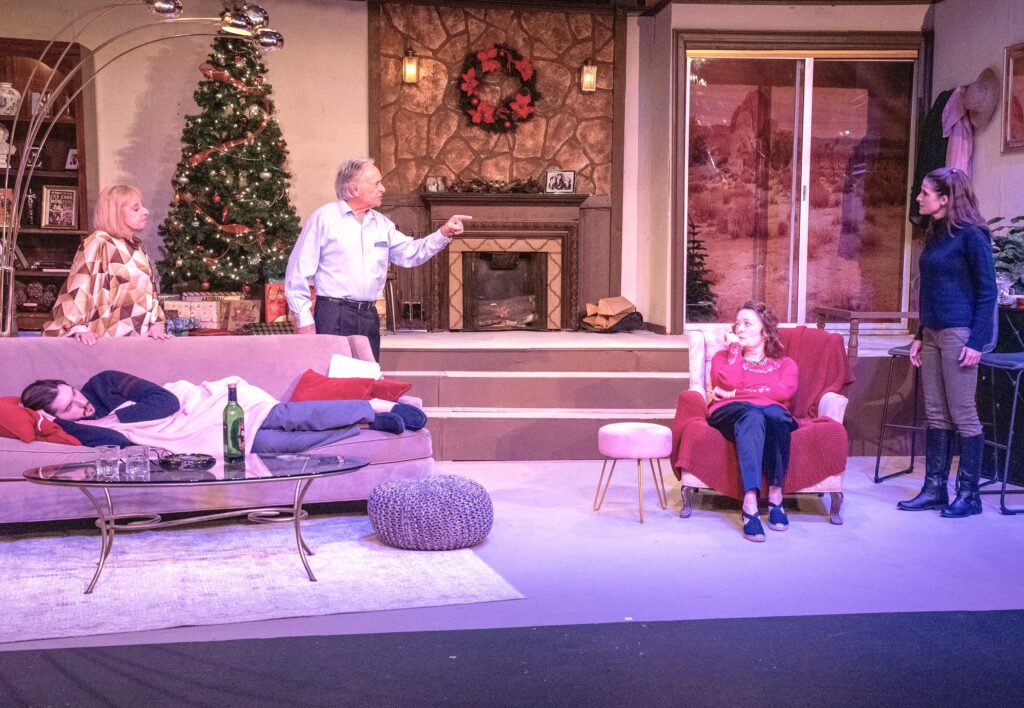
The cast of “Other Desert Cities” is superb and includes Levente Tarr (sofa), and (left to right) Michele Schultz, Richard Johnson, Amy Goddard and Holly Sidell.
Photo: Joy Daunis

“Other Desert Cities,” a play by Jon Robin Baitz, opened on Friday at Theatre Palisades. It instantly draws audience members into the secrets of the Wyeth family.

The play is entertaining, the acting excellent and the set perfect. The complexity of the play and the relationship between parents and adult children resonate long after the curtain drops.

In every family, incidents are remembered differently, depending on which family member is doing the telling. What is the truth – and if someone from the outside were looking in, how would they interpret it?

Brooke Wyeth (Holly Sidell), a liberal-leaning published writer who has suffered depression and been hospitalized, has rebounded. She has written a memoir and received a publishing deal. Her first book was written years earlier, but other than travel articles, she hasn’t written another.

Sidell’s intensity, and her need to know the truth, as she sorts through her past, centers the play and the other characters.

Brooke visits her parents, Lyman and Polly Wyeth, who live in the Palm Desert on Christmas Eve 2004 with the book. She is seeking approval from them before it is published.

The memoir details her relationship with her brother Henry, who in his youth, was part of a radical movement, based in Venice, California. The group bombed an Army recruitment center, accidentally killing a janitor. Then, Henry committed suicide.

In her telling of the past, Brooke accuses her parents, who are conservatives, of driving her brother into radical politics. She feels they are responsible for his death, and she faults them, still, because they will not talk about her brother or the incident.

Her dad Lyman (Richard Johnson) is a former U.S. ambassador, appointed by Ronald Reagan. Like Reagan, Lyman began his career as a Hollywood actor, where he met his wife, the feisty Polly (Michele Schultz), who was working as a screenwriter.

Johnson is excellent as “ex-actor,” who tries to use his “ambassador skills” to mediate a solution.
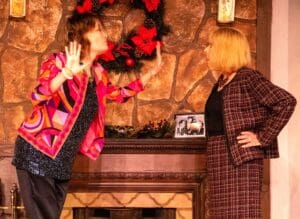
Amy Goddard (left) and Michele Schultz play sisters in a play at Theatre Palisades.
Photo: Joy Daunis

Polly and her sister Silda (Amy Goddard) had written a series of successful comedies for MGM in the 1960s. But when Polly married Lyman, Silda lost her partner and her career stalled.

Schultz is a force to be reckoned with, and the actress drives the play with her energy. The powerful dynamic between she and Goddard, who also has tremendous stage presence, fuels the sister’s interaction.

An adult son (Levente Tarr) is used as a pawn by family members, to support their points of views. Tarr, as a womanizing, reality TV show producer, handles his role with the right amount of careful detachment and frustration.

The family is split politically between liberal and conservatives – which makes this piece still relevant today. This play was set during the Iraq War (2003-2011). President George W. Bush begun a military operation in Iraq — the dictator Saddam is deposed and executed. Defense Secretary Rumsfeld resigned over criticism of the conduct of the war. Evidence or prisoner abuse inside the U.S.-run Abu Ghraib prison become public. This is not a political play, but it is interesting that the furor between conservative and liberals still resonates today.

The play takes a nice and hopeful twist at the end – not everything is at it seems.

This is one of the strongest casts in recent history at the Pierson Playhouse. The play is directed by Chloe King and produced by Martha Hunter and Laura Goldstein. The set design by Sherman Wayne, captures perfectly a Palm Desert living room—and the two-level set, complete with a giant Christmas Tree makes the intimate stage seem expansive.

This play premiered at New York’s Mitizi E. Newhouse Theater in 2010 and transferred to Broadway in November 2011. It was named Outstanding New Off-Broadway Play by the Outer Critics Circle.  It received five Tony nominations, including for Best Play. Other Desert Cities was a finalist for the 2012 Pulitzer Prize for Drama.

It will run through February 18, Fridays and Saturdays at 8 p.m. and Sunday at 2 p.m. Visit: theatreplaisdes.org or call (310) 454-1970.

Holly Sidell (right) confronts her parents played by Richard Johnson and Michele Schultz.
Photo: Joy Daunis


Posted in Reviews | 2 Comments

Readers Comment: Bay Theater, Bonin, Fields and Obesity

(Editor’s note: CTN has received several notes–we share them with readers.)

Baxter, the dog, wore a tuxedo to the premiere of “Dog Gone” at the Bay Theater last week.

BAY THEATER HOSTS BAXTER

Your one reader is right that a big part of the theater’s value to Netflix is promotional.  They qualify their films for awards, and they arrange screenings for potential voters and influencers.  They also use it for their west coast premiers.  That said, it is still a nice place to see a movie.  The food is pretty good and is cheaper than the rest of the Caruso options.  Netflix also recently upgraded the old Cinepolis projectors to new 4K laser light projectors.

Speaking of premiers, I know you are a dog person, as am I.  Last night the Bay hosted the premiere for Dog Gone, the true story of a father and son who kike the Appalachian trail to find their lost dog.  The movie stars Rob Lowe and Kimberly Williams-Paisley.

Kim is a former Palisadian who is married to country music superstar Brad Paisley.  For years they lived on Friends Street on the Via Bluff while she was filming the TV series According to Jim. Brad used to frequent Mort’s Deli and Taj Palace in town.  In fact, he featured Bobbie Farberow holding a picture of Mort in his music video for When I Get Where I’m Going.  (https://youtu.be/yYHT-TF4KO4?t=134).

Also in attendance was the real star, Baxter the Dog, who wore his doggy tux.  I’ve attached a picture of him doing photos on the green carpet.   Unfortunately, Dog Gone will not be showing at the Bay. It is going straight to streaming on Netflix starting tomorrow, Friday the 13.


BONIN LIKE LICE – HARD TO RID:

Head lice is difficult to eradicate.

“I’m reaching out with a complaint (January 14). Mike Bonin got my email as our councilman. Now that he is a private citizen, it appears that he has retained possession of all his constituents’ emails and now emails me with various things. I find this inappropriate. It seems we can’t shake this guy.”

(Editor’s note: CTN sent a note to L.A. City Ethics while Bonin was a Councilmember, because he was using his email list to support his choice of candidates for the November election, which seems unethical. No one from the City responded. Let this editor reach out again.)


REGARDING “WORKING IN THE FIELD” RACIST

Circling the News wrote: USC School of Social Work is prohibiting the use of the word “field” because the school says it has racist connotations. The word, according to USC, may have connotations for descendants of slavery and immigrant workers.

To my relatives, who are farmers and working in the fields – just feel sorry for these overeducated people who have no idea where food comes from.  Just know – that paying $85,648 to go to school for a year – doesn’t make you smarter.

Readers were quick to respond:

Excellent comment on “field” work. Political correctness is out of control.

Excellent as usual.   As a USC alum (yeah, last century) – I am astounded by the BS that is coming out of the School of Social Work.   I am a middle of the roader, neither far right or left, but this degrading of “field work” is not right.  As an Architect, we often use the word “working in the field” when folks are out on a jobsite.  I’m from Illinois originally, so there were a lot of farmers and nothing is wrong with field work. Geesh.

Will Kevin Costner’s ‘Field of Dreams’ be on the do not watch list now?

Amen to the Field workers! Who are these educated people?!

The USC commentary is great!  (And I’m an alum!)

Come the revolution, the first fools annihilated will be those not allowing us to use the word \”field.\” Lord help this country!!

Fields???? Thanks for responding to that hideous thinking of the word being racist.  What will people think of next!


CHILDHOOD OBESITY:

Experts said that extensive public health efforts have been directed toward childhood obesity since 2010,  but that these policies have had no impact on reducing population-level obesity.

In reference to a story that doctors were now prescribing drugs to children to help control obesity one reader wrote:

I am glad that you are placing the emphasis on more food intake than is metabolized as the principal cause of the obesity.

I’d like to point out a couple of not well-known factors that are part of this problem. First, because most people are not that familiar with the metric system, they do not appreciate that one gram is the same as 1000 milligrams. And perhaps they do not know that when their child eats a cone equivalent of “rich, luxurious”   ice cream such as McConnells they are ingesting 35,000 milligrams of fat!

Based on my rough calculations,  this means that a seven-year-old child of and average weight receives a load that is about ten times the entire amount of lipids (cholesterol & triglycerides) in the child’s blood stream normally.

So, after the evening ice cream cone, the body will try to get back to normal levels by morning. To accomplish this the lipids are captured by the liver, the fat and the muscle cells and even by the brain cells and the walls of the blood vessels.

The next day the child is imperceptibly a little heavier and a little bit less healthy. I invite any qualified person to review my calculations


Posted in General | 3 Comments

Telling the Story of the Death of Keenan Anderson

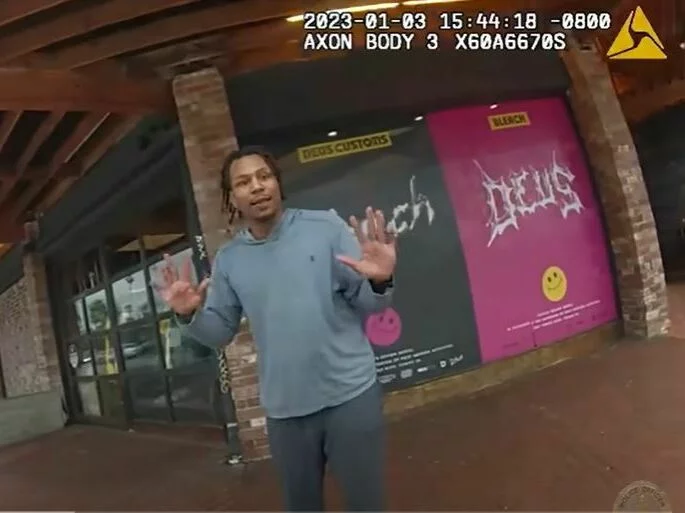
This screen shot of Keenan Anderson was taken from the LAPD video.

The Wall Street Journal in a Saturday letter from the publisher wrote “reliable information is the most valuable currency of the epoch. A faulty news dispatch can send massive ripples. Hyperbole, infatuation with spectacle and thinly sourced media reports with alarmist headlines—prevalent in what passes for news today—cloud personal judgment and stifle nuanced societal debate. By contrast, reliable, unbiased journalism, data and analysis can help determine the difference between good outcomes and bad ones.”

Former Councilman Mike Bonin sent out a January 13 email to his former constituent email list about the death of Keenan Anderson and wrote “Keenan is one of three people killed by LAPD in the first week of January.”

Bonin’s email included information about a January 14 vigil “Join Keenan’s family and loved ones as we honor the life of this 31-year-old Black father and schoolteacher tased to death by LAPD.”

According to the police report, police body cameras and the video from a spectator, Bonin’s account is not accurate. (You can view the Police video: https://www.youtube.com/watch?v=MVTYcbPX0GA.)

Allegedly, Anderson had been in a hit and run accident near the intersection of Venice and Lincoln Boulevard on January 3. Then, an Uber driver said that Anderson had tried to take his car after the accident.

An LAPD officer arrived on the scene, and asked Anderson, who was in the intersection to come to the corner and sit next to the building. The officer then called in additional units for a DUI investigation.

Initially, Anderson complied, but then he got up and started walking and jogging through the cars in the busy intersection.

Another unit arrived and police made an effort to get Anderson out of the traffic.  He struggled with officers and said, “Don’t George Floyd me.”

The officers asked him to comply with orders and told him if he didn’t, he would be tasered. (This was in the east-bound car lanes on Venice, amid heavy traffic.)

Anderson was warned at least 12 time that he would be tasered if he did not comply.

Although on tape appears that Anderson was tasered several time, Chief Michel Moore later said that only a “single taser activation” had occurred, that several attempts were ineffective, and the officer used “a series of dry stuns” following the first activation.

Anderson was then transported to a hospital by paramedics. Four and a half hours later, he went into cardiac arrest.

A full investigation is taking place, but preliminary findings from LAPD’s Forensic Service Division (toxicology unit), show levels of cocaine metabolite and cannabinoids in Anderson’s system. The Los Angeles County Coroner will conduct independent testing.

Anderson, who teaches 10th grade English in Washington, D.C., charter school, was visiting relatives in Los Angeles. He is the cousin of Patrisse Cullors, the founder of Black Lives Matter. She is calling for the resignation of Moore.

Melina Abdullah, a friend of Cullors, and the co-founder of BLM LA, said the focus on narcotics is an “assassination on Kennen’s character after they’ve already stolen his body.”

She added in one news report “he was treated as a criminal, as most Black men are.”

Councilwoman Traci Park issued this statement January 11: “I have watched the video of the moments preceding Keenan Anderson’s death and I want to extend my deepest condolences to his loved ones, and everyone affected by this tragedy.

“Los Angeles Police Department officers are given significant responsibilities, and the public expects them to exercise their duties in a responsible manner.  I will continue to prioritize transparency and accountability during this critical investigation.”

Mayor Karen Bass after the incident said, “I appreciate Chief Moore’s decision to release the footage today. Policy allows for up to 45 days before footage of use of force incidents is released, but I believe the Los Angeles Police Department must be as transparent as possible, as expeditiously as possible. Once again, my heart breaks for the families and loved ones who are experiencing such a tragic loss.”


Posted in Crime/Police | 2 Comments

Palisades Highlands Eldercare Appeal to be Heard January 26


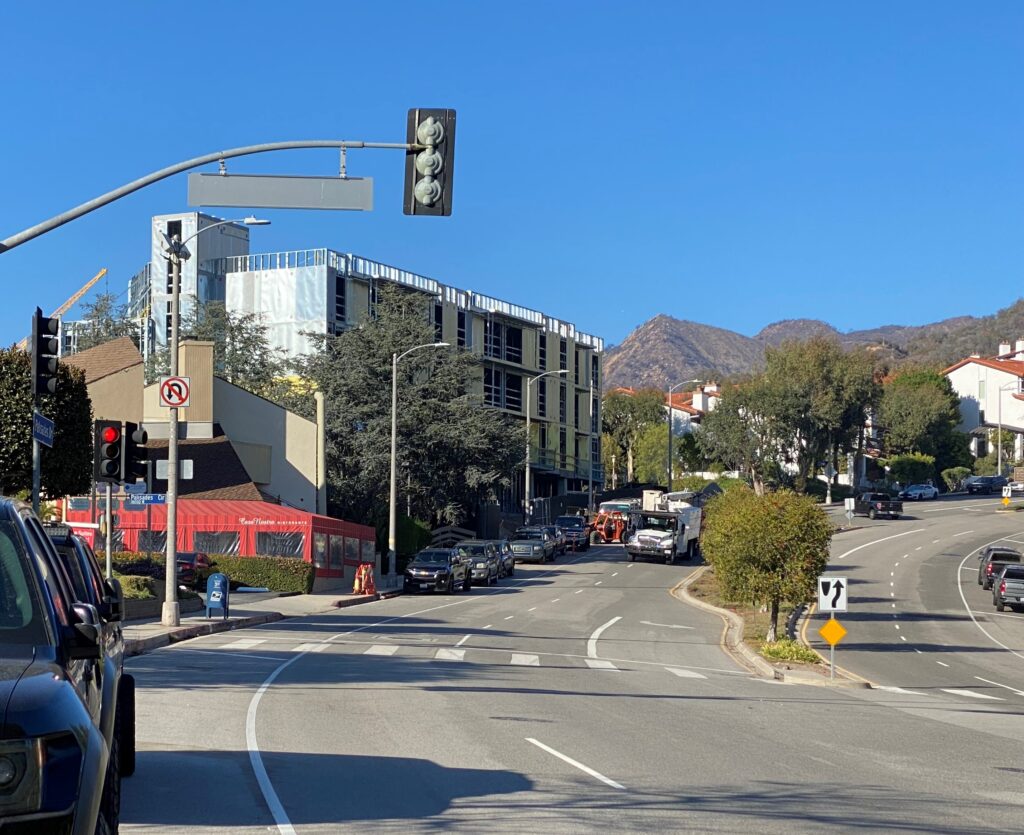
The eldercare facility takes away the mountain views as one motors up Palisades Drive.

The Eldercare Appeal will be heard by the California 2nd District Court of Appeal on January 26 at 9 a.m. during an hour-long oral argument.

This case concerns the four-story building at the corner of Palisades Drive and Vereda de la Montura, which is opposed by more than 1,500 residents.

The appellant, Pacific Palisades Residents Association, is arguing: 1) that the planned (and now built) building exceeds the floor space (size) limitation in the City’s Planning and Zoning Code, and the exception to the Code claimed by the developers does not apply;* 2) because of the violation of the Code and inconsistencies with the Brentwood-Pacific Palisades Community Plan the City improperly granted the project a Categorical Exemption from the California Environmental Quality Act; and 3) the project violates numerous provisions of the California Coastal Act.

The defendants: Los Angeles City, Builder/Owner Rony Shram -Palisades Drive LP, and the Attorney General, on behalf of the Coastal Commission, will be given a half hour to present their side.

The .99-acre site, which is next to the Santa Ynez Trailhead had been open space since the Highlands were developed in the early 1970s. Moshe Shram, Rony’s father, had purchased the property in 2013 with the intention of building 33 condominiums on the site but did not receive community support, which would have involved numerous Planning and Zone Code variances.

In June 2017, Rony Shram came back with a different proposal for the property, a 64,646-sq.-ft. four-story eldercare facility. The site was zoned C1, which allows offices, certain businesses, and light commercial uses. The facility was to have 82 units, with 59 rooms for assisted living care and 23 for Alzheimer’s/Dementia care.

The plan was initially approved by the City, despite the large number of residents filing written objections and more than a thousand signing a petition to protest the project.

Residents felt the project was too large; that it put elderly in a very high fire severity zone in the Highlands (one road in and out), and the four-story structure was out of character of the neighborhood. That decision was appealed before the West L.A. Planning Commission in April 2019.

Associate Zoning Administrator Henry Chu, the morning before the project came before the Commission, discovered there had been an error and a violation of the City’s Planning and Zoning Code in figuring building size.

Chu then sent an email to the developer’s lawyer alerting him of his discovery, and also to Oscar Medellin, a Deputy City Attorney in the Land Use Division of the City Attorney’s office. Mr. Chu did not alert the opponents of the project of the error.

The Area Planning Commissioners had been given hundreds of pages of information to read before the hearing, but neither Chu nor Medellin spoke about the code violation during the hearing, in which Commissioners voted 3-0 to overrule the appeals of Pacific Palisades Highlands’ residents.

Councilman Mike Bonin was a staunch supporter of the project (he had received legal contributions from the Shrams). When the project went before the Coastal Commission, even though Commissioner Mary Luevano had said she would not accept ex-parte communications, she said that Bonin had texted her just such a communication, “He just wanted to let me know he is in favor of the project and most people in the community are in favor of it and that we need it.”

*(Editor’s note: The calculation of Buildable Area under LAMC section 12.03 is simple arithmetic. The gross lot size is 43,097 square feet, which, after deducting 7195 square feet of required setback yards, equals 35,902 square feet of net Buildable Area. Multiplying by a 1.50 FAR, the facility would be limited to 53,853 square feet (i.e., 35,902 x 1.5), about 10,793 square feet less than the 64,646 approved by the City.)

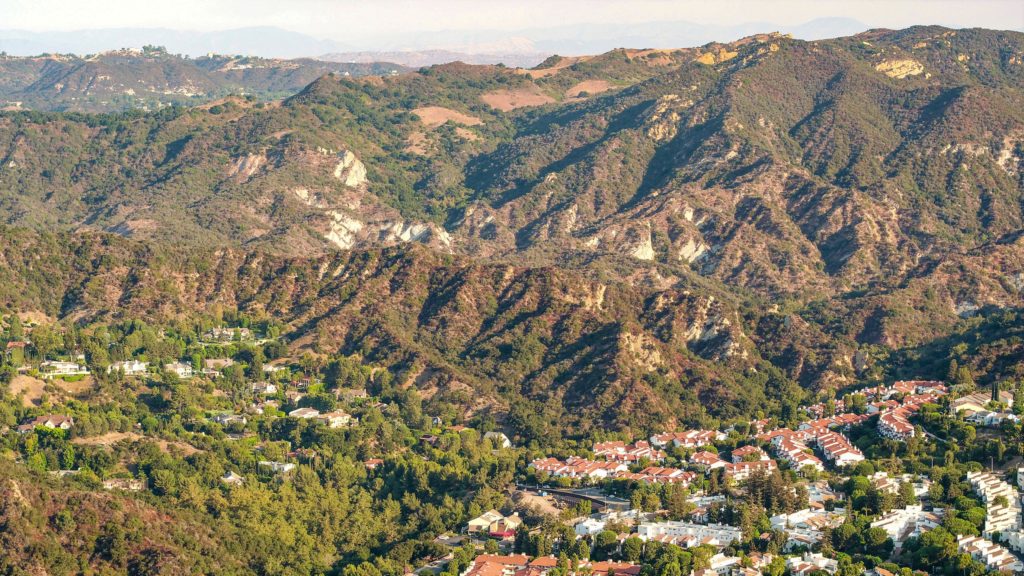
The HIghlands, including the proposed eldercare project, which will house 96 elderly residents is located in the high fire severity zone.
Photo: Property of Gary Baum

Posted in Highlands Eldercare Project | 3 Comments

Friends of the Palisades Library Launch “Mindful Mondays”

Silvi Winthrop

The Pacific Palisades Library Association will launch of a complimentary weekly program, “Mindful Mondays,” facilitated by Silvi Winthrop at 10:30 a.m. on January 23 in the Palisades Library Community Room, 851 Alma Real.

Mindfulness is the ability to be fully present, aware of where we are and what we’re doing, with out being overly reactive.

Whenever a person brings awareness to what one is directly experiencing, or to one’s state of mind via thoughts and emotions, one is being mindful.

There is growing research showing that when one trains a brain to be mindful, one actually remodels the physical structure of your brain.

Research supported by the National Institutes of Health has found a link between mindfulness and measurable changes in the brain regions involved in memory, learning and emotion.

Another NIH-funded project reported that mindfulness practices can help reduce anxiety, stress and depression and lead to better relationships as well as improvements in self-esteem.

“We are excited to partner with Silvi Winthrop to bring these valuable and enriching sessions to the library,” said Laura Schneider, president of the Pacific Palisades Library Association. “Silvi has a special gift for making meditation accessible and fun whether you’ve tried mindfulness and mediation before or not.”

Winthrop is a certified Meditation and Mindfulness Instructor who has been helping her clients alleviate stress, depression and anxiety since 2014. She received her master’s degree in clinical psychology from Pepperdine University and her focus is guiding everyone she meets to lives of joy and purpose.

“Mindful Mondays” is open to the public at no charge, but participants must RSVP in advance to [email protected].

The sessions will be offered every Monday at 10:30 a.m. Those not available to attend on January 23 are welcome to RSVP for sessions on future Mondays. Participants are welcome to bring a cushion to class if they wish to sit on the floor or use the cushions provided. Otherwise, regular seating will be provided. For ADA accommodations, please call (213) 228-7430 at least 72 hours prior to each session.

Posted in Health | Leave a comment

Pacific Coast Highway across from Will Rogers State Beach Looks Trashy

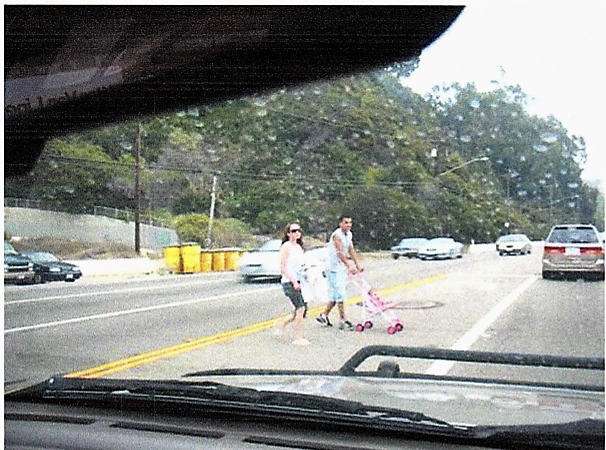
This area along Pacific Coast Highway needs to be beautified.

At the beginning of January, Circling the News asked readers if they had any resolutions or local actions, they’d like to see taken in 2023.

One wrote: “Make the owners of the property on PCH between Potrero Canyon and Temescal stop treating it like a dump and beautify it.

“It seems like after the oil drilling was stopped there many years ago, the owners have gone out of their way to deliberately make it look terrible as a punishment for not getting what they wanted. It is such a signature piece of property on the coast, it is a shame to have it look so decrepit.

“Why do they get to store junk there, keep broken down K-rail, etc. It’s really an embarrassment.”

The area along Pacific Coast Highway between Potrero and Temescal is a Caltrans easement, and the K-rail and pipes belong to Caltrans.

Additionally, L.A. County Public Works installed a new water line along the highway, which was completed in August, and those construction materials were located along PCH.

George Wolfberg Park at Potrero Canyon was opened in December and the building at the base of the canyon belongs to Ford E.C. Inc., the Landscaping Company, which planted the 46-acre park.

Most recently, during the rains, two lanes of Pacific Coast Highway have been flooded. CTN contacted Caltrans and L.A. County Public Works on January 2 “In the decades I’ve lived in Pacific Palisades, there was never an issue of water pooling at that location until . . . the LA County Waterworks project was completed this past August.

“It appears that one of the large drains that goes under PCH is blocked. Is there a way to determine if this is the cause of the water pooling? It would be important to figure out before the next rains arrive at the beginning of next week.

This drain that runs between the land below Via de las Olas and the ocean appears to be blocked.

Lou Kamer, who is the Pacific Palisades Community Council transportation chair, wrote to PPCC in a January 5 email: “I met with the Caltrans maintenance team and County Contractors this morning.

“They dug large holes to drain the water off PCH and then moved it into one of their nearby pits. The road is now clear, and the immediate safety issue resolved.

I will continue to monitor the roadway, alert CHP and Caltrans of dangers, and report on any new developments or conversations.”

As to the future of the strip along PCH, it has been proposed that it be turned into a trail, so that people can walk from Wolfberg Park, along PCH, and then return to Pacific Palisades along Temescal Canyon Road.

U.S. House of Representative Ted Lieu announced last July that a community grant of $1.15 million had been approved to pay for the construction of a trail that will connect the George Wolfberg Park at Potrero Canyon Park with Temescal Canyon Road.

Funds will allow for the grading and installation of a half-mile long, 12-foot-wide decomposed granite trail and protective fence that will meander over the naturally hilly terrain along Pacific Coast Highway to Temescal.

Before Councilman Mike Bonin left his CD 11 office, his District Director Noah Fleishman said that the Bureau of Engineering had announced that the trail will most likely cost about $3 million. CD 11now have to lobby the City for more money to complete the trail.

A pedestrian bridge is needed on PCH by Potrero Canyon, to prevent people from crossing six lanes of traffic on the busy highway to reach the beach.
Photo: George Wolfberg

Residents have long argued that the trail is needed to prevent people from darting across PCH to access Will Rogers State Beach. The trail will take walkers to a light at Temescal that will allow them to cross to the beach.

Unfortunately, an agreement between the City and Caltrans to allow a path to be constructed has stalled.

A pedestrian bridge, at the base of Potrero that would connect the Wolfberg Park to Will Rogers State Beach, has been funded by the state for $11 million. The City Bureau of Engineering was supposed to design it.

There is no word from the City BOE if they have actually started working on a design. The money from the state came from Senator Ben Allen in July 2021.

Posted in Community, Parks | 3 Comments

Surprises in Trash and Spam

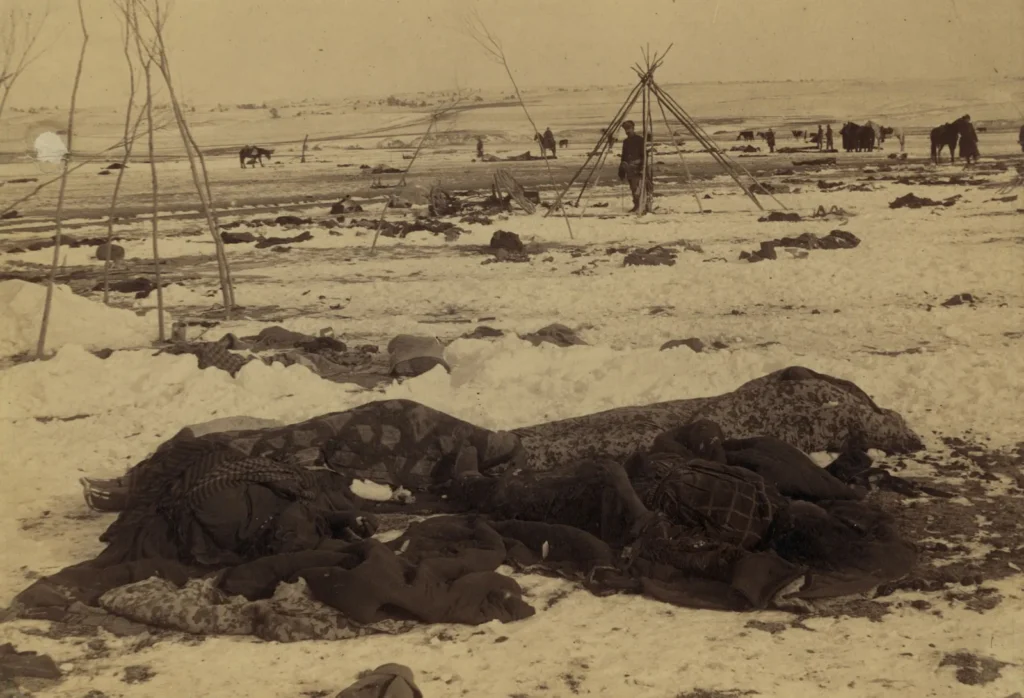
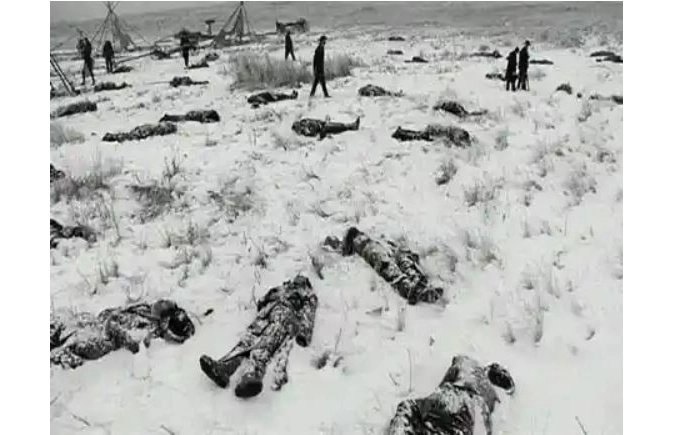
The unburied Sioux after the Wounded Knee Massacre in 1891.

CTN received a note today from a reader who tried to comment, but his statement was rejected.

He followed up with an email and asked if he had offended me. He was commenting on the great piece about the Wounded Knee Massacre by Reece Pascoe.

I am not easily offended, because I did standup comedy on the road for many years. I responded that if something is vulgar, I generally don’t post that comment, but even if I disagree with someone, I will post the person’s viewpoint.

I looked through spam and couldn’t find his post. Next, I went to trash and found all sorts of wonderful comments that I had never seen before.  I have now gone back and added the comments after the articles, which hopefully people can read. My apologies to everyone who commented, but whose thoughts were not posted. It was not intentional. I still don’t understand how comments went directly to trash, but I’m trying to ensure it doesn’t happen again.

One reader posted November 16 – and I’m not sure you’ll go back that far to read comments, but valid criticisms were made regarding a Proposed Electric Distribution Station at Marquez.

The reader wrote:

Hi Sue—While you are filling in readers on the history of the situation, you may want to include the following critical information as background for your readers:
After months of study, DWP’s own environmental consultants concluded that the site next to Marquez Charter was fatally flawed with “Grade F” for geology, for being on an “existing landslide” and “regarded as likely unstable,” resulting in “a likely significant and unavoidable [environmental] impact.” Just a few years ago (around 2014), Marquez Charter had to move all students out of ten classrooms that were adjacent to the canyon behind the school after geologists hired by LAUSD determined that the entire building was unsafe for continued use. The entire building holding those classrooms was demolished and not replaced. Besides the fatally flawed geology, a host of other environmental and safety factors were considered and deemed unacceptable by the LADWP’s own experts.

In addition, LADWP has an extensive record of fires/explosions at various distributing stations. This is precisely why the LAUSD School Board adopted policy in 2005 that prohibits siting of any new schools next to such high-risk facilities. In 2013, the LAUSD School Board adopted a further resolution pledging to oppose any proposed distributing station next to Marquez Charter. Such an accident at the Marquez site, next to hundreds of elementary school children, atop a canyon of dry brush in a Red High Risk Fire Hazard zone would be nothing short of catastrophic. In fact, last year’s fire season proved just how high risk this area is when a brush fire erupted causing the evacuation of Marquez Charter Elementary and 200+ homes in the Marquez area.

Indeed, based on its own evaluation and expert reports, LADWP’s preferred site was a 1.17-acre site close to Los Liones Fire Station 23. This was the preferred choice by LADWP due to its geologic stability and low cost of construction. However, after a private meeting with a few vocal opponents, DWP turned its attention away from that site and shifted focus to the Marquez location.

(Editor’s note: The Los Liones site is state parkland and the state would not cede the site.)


Posted in General | 1 Comment

Historical Society Talk to Feature “History of Potrero Canyon”

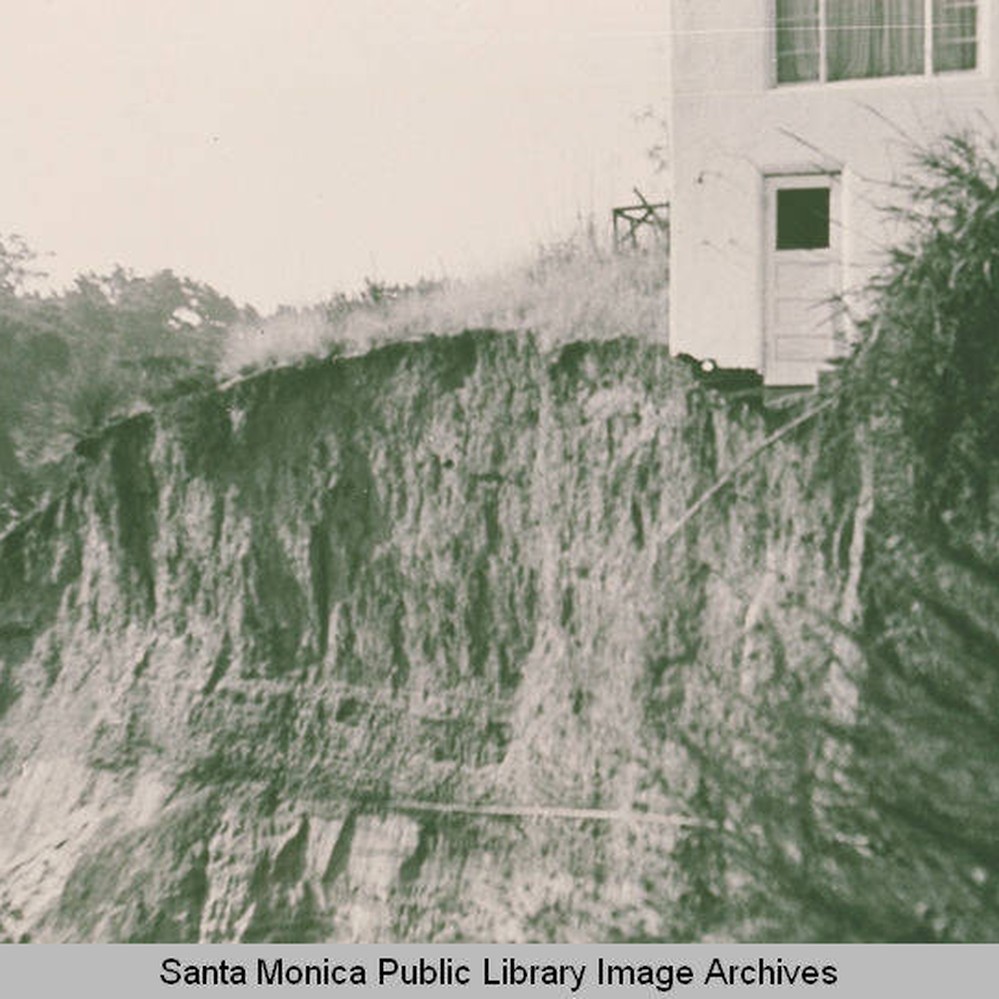
This was Potrero Canyon at Friends Street before the City started infilling the Canyon.

After a long hiatus, the Pacific Palisades Historical Society will once again offer live programming at Theatre Palisades on Tuesday, January 17, at 7 p.m. with a presentation featuring the history of Potrero Canyon. This free program is open to the public and rekindles the Lorraine Oshins Memorial Lecture Series, in honor of the late PPHS president.

Drawing on photos from the Historical Society collection, curator Randy Young will recount the long and tortured saga of Potrero, from its Long Wharf days in the 1890s to its ultimate transformation into George Wolfberg Park in December 2022.

Young, who collaborated with his late mother, Betty Lou Young, to produce six books related to the history of Pacific Palisades, will be introduced by Historical Society board member Patrick Healy, who had an illustrious career as a television newsman, notably with NBC4 in Los Angeles.

Reservations for the lecture are not required, but for planning purposes, please RSVP to [email protected]. To help ensure everyone’s safety, please wear a mask to the lecture. The PPHS website is www.pacificpalisadeshistory.org.

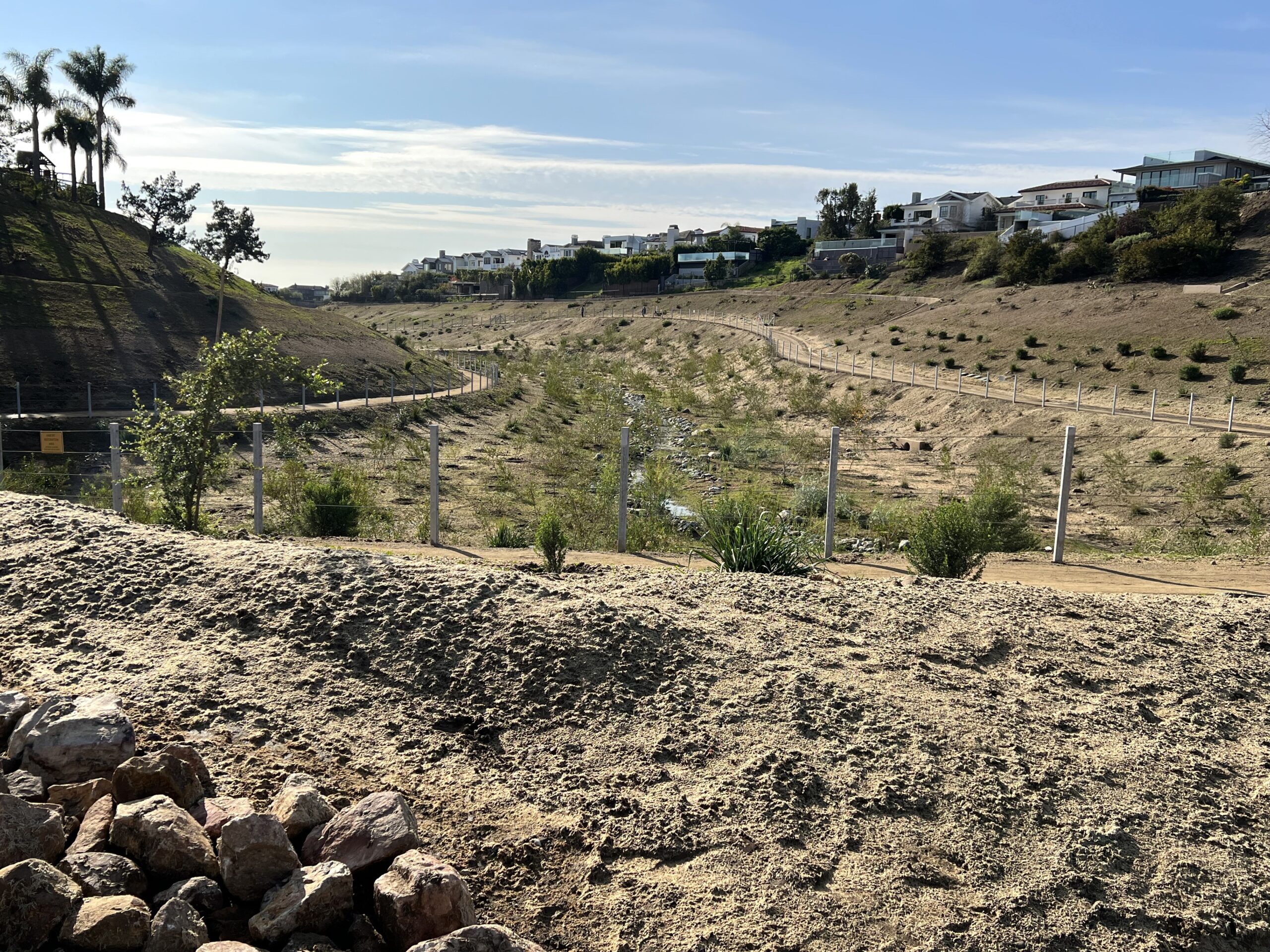
At the start of the George Wolfberg Park, in Potrero Canyon, one can chose from two paths on either side of the center of the canyon.

Posted in Parks | Leave a comment

The Eradication of the Red Man: Ghost Dance and Wounded Knee Massacre

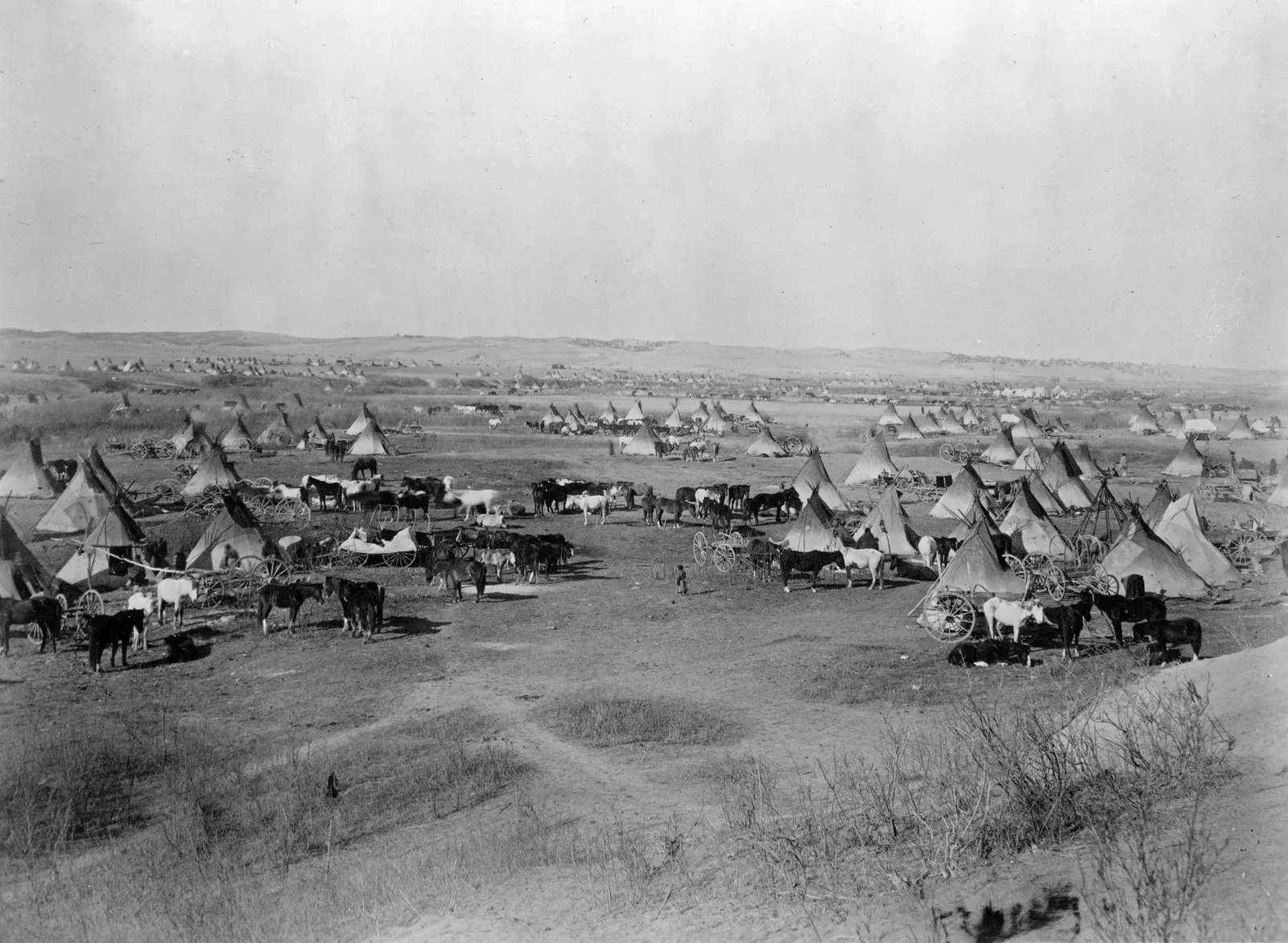
Pine Ridge Native American camp in South Dakota in 1891.
Photo: Library of Congress

By REECE PASCOE

“History is written by the victor.” Winston Churchill

It is impossible to cover the entirety of the Red Man’s story. It spans more than 500 years, and over half the globe, and involves thousands of different tribes. From the first Spanish ships landing in Mexico and California to the first pilgrims coming over on the Mayflower to now with changing the names of sports teams.

Two infamous events that unfolded, the Wounded Knee Massacre and the Ghost Dance, are largely ignored by history books.

First, almost everything America has been shaped by Native Americans, or has ties to the Red Man. Almost every state and city are named after a tribe – even Chicago.

In school, I was never taught about the Red Man’s history. Was that due to the lack of knowledge or was it something a little more devious about trying to rewrite history? Whatever it may have been or still is, there are two events that most people don’t know about, unless they grew up on a reservation.


The Ghost Dance

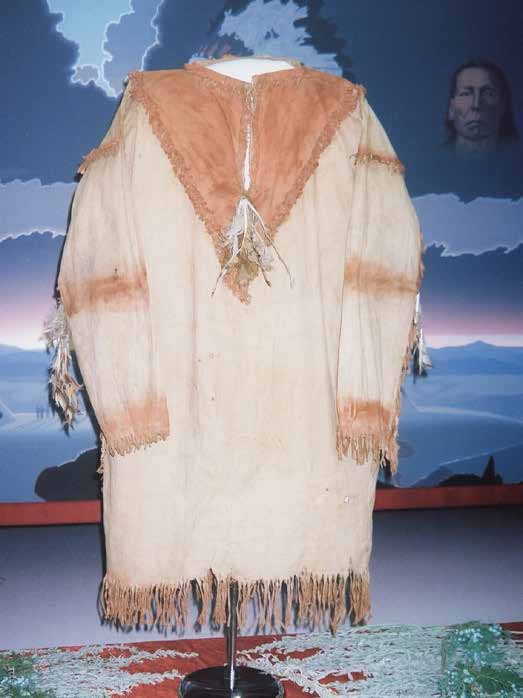
In November 1998, the Kelvingrove Museum in Glasgow, Scotland agreed to return this Ghost Dance Shirt – taken from a Lakota warrior after the Wounded Knee Massacre. The shirt was supposed to save the wearer from death.
Photo by Jim Kent

The moral for the Red Man was at an all-time low, they were beaten and broken. There were only a few tribal leaders still alive, the rest had been killed.

One was curly, the strange one, or as he is most commonly known, Crazy Horse. But in 1877, he was betrayed by his people and bayonetted by a US solider. His death was the nail in the coffin for the Red Man.

There was another that was still alive that could be a beacon of light: Sitting Bull.

Those two were the leaders that defeated General Custer at Little Big Horn. It is widely accepted that Sitting Bull was the brains, and Crazy Horse was the brawns, but that wasn’t all true.

Both were extremely fierce when it came to fighting and both extremely tactical. But Sitting Bull, after his many years of fighting when he was younger, took up the roll as diplomate, and Crazy Horse, 10 years younger, looked to Sitting Bull’s counsel.

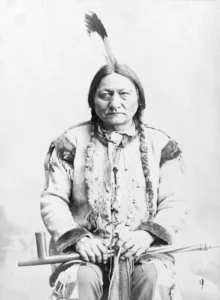
Sitting Bull

Sitting Bull had gone to Canada where he lived with his now dwindling tribe. Then he was forced back on The Standing Rock Reservation on the North Dakota/South Dakota border and said “Let it be recorded that I am the last of my people to lay down my gun.”

While there, he was given the opportunity to travel with Buffalo Bill’s Wild West Show, where he would narrate the daily life of the Red Man. He would speak in his native tongue and the translator was, well wasn’t one, so he had free range to say anything he wanted to and the crowds were none the wiser.

In 1886, a “Messiah,” a Native American, appeared performing a new ritual called the Ghost Dance, not to be mistaken for the Sun Dance, another well-known Native dance.

Wovoka, the self-described prophet, was raised mainly by Mormons because his father died at age 14 and he was adopted. This is most likely where he came up with the Ghost Shirts, having seen many religious practitioners with special robes.

One day while working, he fainted while chopping wood and had a vison of renewal, brotherhood, and better times for Natives. Then, he started preaching his newfound faith. It was slow at first and only reached a small group. He started holding Ghost Dances regularly.

His followers came after he performed three miracles. One was to make ice appear in the river, in summer in Nevada, and ice appeared by the power of God it seemed. (It wasn’t his brothers upriver dumping ice in the river.)

The second was a complete solar eclipse on January 1, 1889, in the western states. During this time of total darkness Wovoka was ill, bed ridden, most likely with scarlet fever. And when the sun arose so did the prophet.

The third occurred during a severe drought in 1889. An Indian police captain asked for rain and Wovoka told the captain in three days water would appear. It wasn’t rain, but the river had overflowed its banks and the lowlands were flooded.

Those miracles cemented the zeal of his followers.

Word traveled of Wovoka’s miracles and the new dance; The Ghost Dance. This dance was able to let the Indians see the dead, and when they returned, they came back with visons of dead whites and the dead of all those who helped the whites. They would wear “Ghost” shirts that would make them invulnerable to the white man’s gun.

Each one would dance until their spirit visited the other side. They believed if they kept performing the Ghost Dance all the white man would be wiped from the face of the earth and all their Native American ancestors would come back from the other side.

All of this came to the Lakota tribe, where Sitting Bull lived. He was an old man by now, and when word of the dance reached him, he was dubious. He wasn’t a true believer, but he let his people dance, he knew it gave them something that he couldn’t anymore, it gave them hope.

This hope spread like wildfire and the news of the dance soon reached United States Army generals.

Word was sent to arrest Sitting Bull, who was shot by a Native American just like Crazy Horse, who was betrayed and killed by his people. Now the last leader who famously defeated Long Hair Custer had perished – all the people had left, was the Ghost dance.


Wounded Knee Massacre

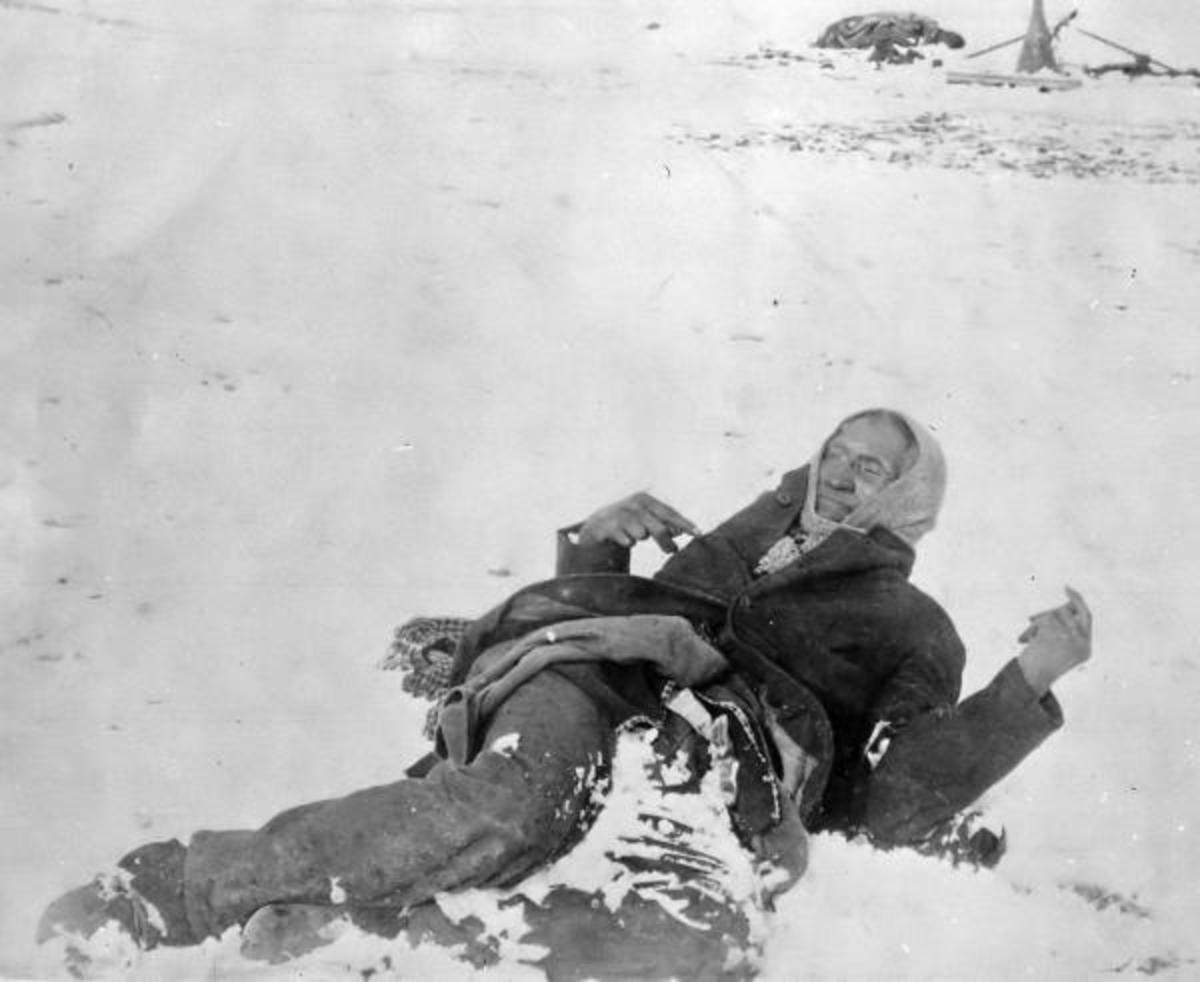
Chief Big Foot was shot on the ground where he was lying sick.

With word of Sitting Bull being murdered by one of his own, and the news of Indians dancing till they collapsed, the military had a hair trigger. The military at the time had a saying. “The only good Indian is a dead Indian”

Big Foot was the leader of the Miniconjou Sioux tribe and like so many other tribes, his needed food and supplies. He went to Colonel Samuel W. Sumner at the Eighth Cavalry and informed him that he would be traveling east to Fort Bennett, located along the Missouri River, with his tribe and wanted no problems.

After the tribe left, Sumner got orders to arrest and hold Big Foot and his tribe until further notice. While traveling, members of Big Foot’s tribe ran into Sitting Bull’s people, and they heard of how he had been murdered. They danced the dance of the Ghost and some of Sitting Bulls people joined Big Foots’ tribe. They traveled for two days, before Sumner caught up to the tribe and arrested them.

During the night, word came down to Big Foot’s people that another army column, which was camped in the Badlands, was on their way to kill the Ghost Dancers.

Big Foot with his people left immediately. Their aim was to reach Red Clouds people in northwestern Nebraska. But Big Foot got sick, and a storm halted their movement while they were at Pine Ridge.

They were caught, surrendered unconditionally to the cavalry, and were to be brought to Wounded Knee (now on the Pine Ridge Reservation in South Dakota).

Colonel James Forsyth took command at Wounded Knee and on December 29 demanded that all Indians give up their weapons.

“Disarm the Indians. Take every precaution to prevent their escape it they choose to fight, destroy them,” Forsyth said.

Handing over weapons was considered a deep insult, but they complied. Forsyth was not satisfied and told his men to search the camp.

During this time, Yellow Bird started the Ghost Dance, and was told to stop. But Black Coyote joined him.

This is where events are in question, some say that Black Coyote was deaf and could not hear the commands to stop, some say that the interpreter was not the best and the meaning got lost in translation. Some say there was a knife, some say there was a rifle that Black Coyote would not give up. Then, a shot rang out and fighting ensued.

The U.S. Army’s death count was 39 wounded and 25 dead. Six would die later.

Initially, the Lakota death count was 51 wounded – four men and 47 women and children – but the dead on the field counted as 150.

A blizzard raged on January 1 and 2, and after it lifted, about 300 natives were found dead at Wounded Knee, most likely from hypothermia and frigid temperatures of the snow and wind.

Eighteen congressional medals of honor were awarded to the U.S. Army for action at Wounded Knee.

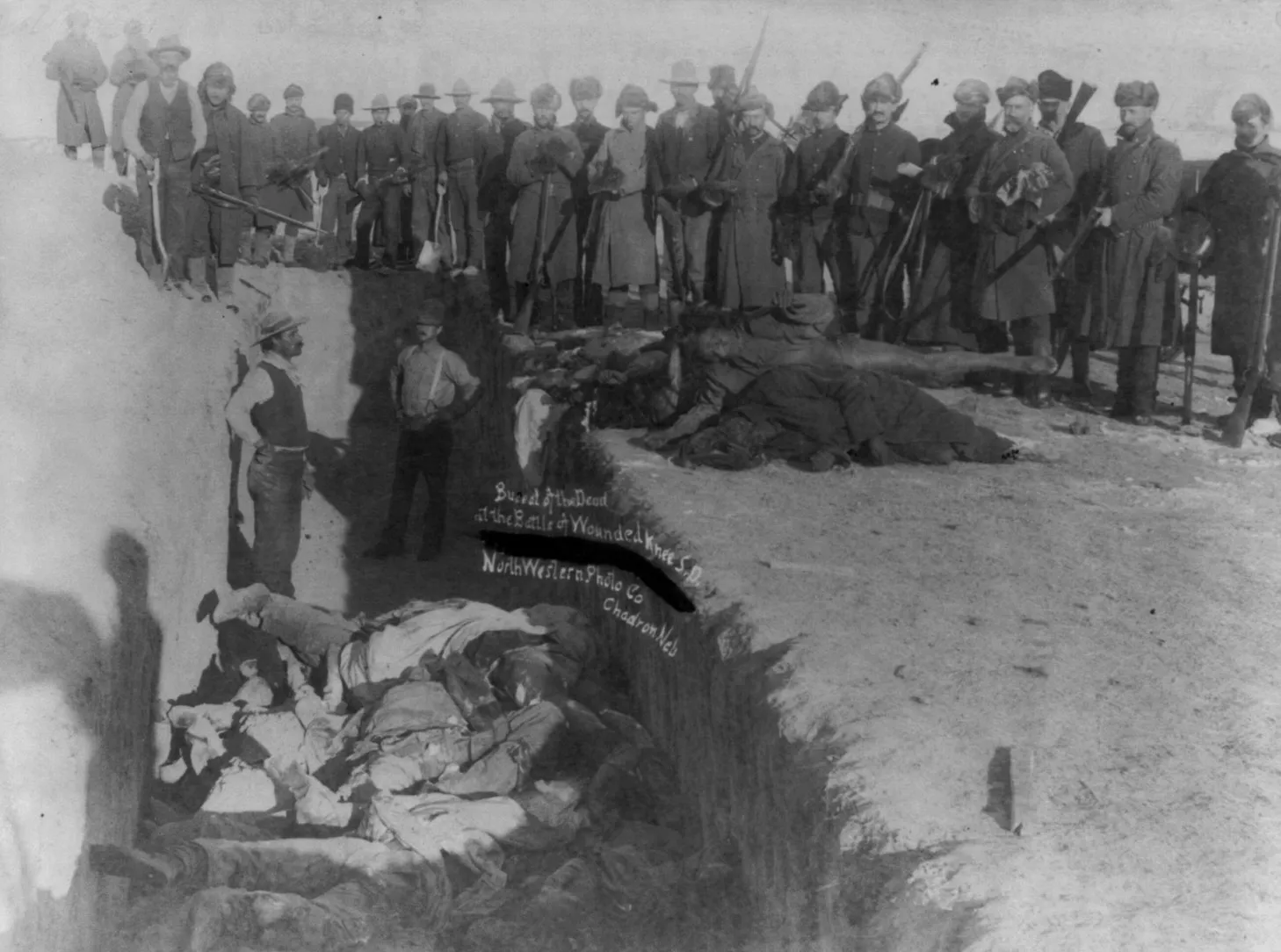
Mass burial of Native Americans in 1891 at Wounded Knee.
Photo: Library of Congress

The video game Modern Warfare 2 has a quote from Captain Price, that builds on Churchill’s quote.

“This is for the record. History is written by the victor. History is filled with liars. If he lives, and we die, his truth becomes written – and ours is lost. Shepherd will be a hero, ’cause all you need to change the world is one good lie and a river of blood. He’s about to complete the greatest trick a liar ever played on history. His truth will be the truth. But only if he lives, and we die.”


Posted in History | 5 Comments

Face-to-Face: Teens and Seniors: Seniors Needed


A nonprofit, Sages & Seekers, is looking for Sages, adults 60+, in the Pacific Palisades Community to pair with Seekers, students ages 15-24, at Palisades High School.

Program director Rachel Shader, said, “Our programs are an opportunity for Seniors to share their life experience with an interested listener. Our goal is for both generations to discover commonalities and shatter stereotypes.”

The program starts on January 30 and lasts eight weeks, with sessions held at the Palisades High School campus. Before the program begins, Shader said, participants will receive a campus map, parking instructions and classroom locations, “so no one will get lost.”

The class meets for 75 minutes from 3 to 4:15 p.m. “I’m asking adults to arrive early (around 2:30 p.m.) to avoid the end of the school parking lot chaos,” Shader said.

Adults must commit to one day a week for eight weeks, and between 10 to 15 older adults are sought. This program is an effort to diminish ageism, combat social isolation and build empathy between seniors and teens.

During the second session of the program, the Sages (adults) and Seekers (students) participate in “speed dating.”

Each adult meets each student for a few minutes.  After that session, students pick 3-4 of the Sages they would like to be paired with. Then, a facilitator makes the pairings.   (This video talks about the structure of the program: https://sagesandseekers.org/our-programs/#inperson)

“All of our programs used to be in-person only,” Shader said and noted that during the pandemic, online sessions were held.  “One of the students who has participated in our online sessions multiple times formed a Sages & Seekers club at PaliHi and has recruited students to participate in this in-person program.

“I have also been working with a teacher at the school who is the club faculty advisor, and she has helped secure permission from the school to hold this program,” Shader said and added the program  is a mental health program because it provides students with a nonjudgmental listener to talk to about their problems.

“It also gets them off social media and teaches them how to hold a real conversation with someone,” Shader said.

The program is free, and Palisades Sages can sign up at: https://sagesandseekers.org/enroll/


ADDITIONAL INFORMATION:

Each Sage & Seeker pair engages in meaningful conversations and that exchange culminates in a tribute written by the Seeker, then read to the Sage.

Results of our one-year study funded by the National Endowment for the Arts showed that Sages & Seekers intergenerational storytelling intervention increased adolescents’ reported sense of social connectedness, psychological wellbeing, and purpose-in- life, and especially so for participants with the lowest initial levels.

It also increased adolescents’ changing abilities to conceptualize their future goals in terms of ethical and relational values, instead of hedonistic or pragmatic motives, mediated the increases in reported purpose-in-life. Older adult participants showed increased generativity and working memory performance.

Posted in Schools, Seniors | 2 Comments