
Funds Needed to Research Teen Cancer Raised at Will Rogers

People attended a polo fundraiser at Will Rogers Historic State Park.
Photo: Rich Schmitt/CTN

Teen Cancer America held a successful polo fundraiser at Will Rogers Historic State Park on June 10.  It was an amazing event, not only raising funds but awareness.

A teen or young adult cancer diagnosis differs from an older individual and may not even be initially considered.

Betty Roggenkamp who switched from a career in architecture to work in the field of cancer care, serves as AYA (adolescents and young adults) program development strategist for Teen Cancer America.

When her sister was diagnosed with cervical cancer, Roggenkamp said, “I saw so much need beyond the treatment of the disease that wasn’t being met.”

Her sister said, “you have to do something about this.”

“So I am,” Roggenkamp said.

Her sister was in her 50s when diagnosed and did not survive.

Roggenkamp’s nephew was diagnosed with cholangiocarcinoma at age 41. He also did not survive.

“So many people who work in the AYA space are AYA themselves or have a close cancer experience, Roggenkamp said. “It makes us experts of a different level.”
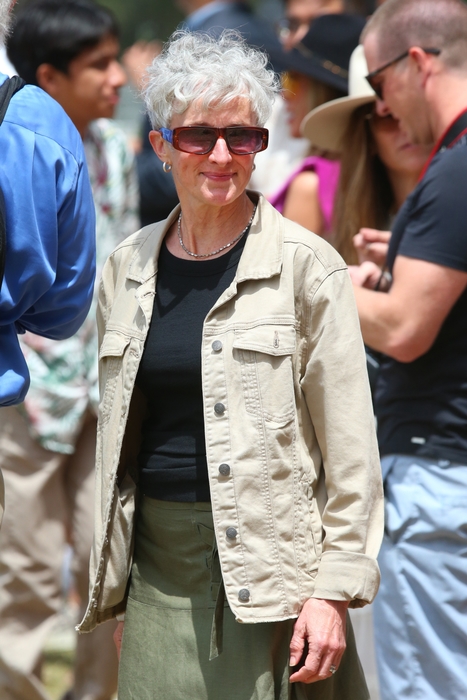
Betty Roggenkamp, who works as a development strategist for Teen Cancer America, was at Will Rogers Park.
Photo: Rich Schmitt/CTN

About 86,000 AYA (those 15 to 39 years of age) are diagnosed every year with cancer. According to the American Cancer Society, some of the most common cancers in your adults are breast cancer, Lymphomas (non-Hodgkin and Hodgkin), melanoma, sarcomas (cancers of connective tissues like muscles and bones), cancers of the female genital tract (cervix and ovary), thyroid cancer. testicular cancer, colorectal cancer and brain and spinal cord tumors.

Roggenkamp calls the AYA group “Under recognized and underserved.”

It has only been recently that this age group, diagnosis and treatment, was formally acknowledged, because cancer more often occurs in older adults. When a youth was sick, cancer was not always the first disease considered.

In 2006, the National Cancer Institute held a first progress review group to develop recommendations.

And because doctors don’t always recognize the initial symptoms as cancer, young adults are “often are diagnosed with later-stage disease because cancer is not typically thought to be an option.”

Since there is no hospital specifically for this age group, those teens with cancer may be put in pediatric hospital or even if they are much younger, may be put in an adult setting.

Research is also limited for this age group, because clinical trials may prohibit AYAs from enrolling – or there is not a large enough pool to study. “Their disease biology can be different from older or younger people,” Roggenkamp said.

For these young adults, Roggenkamp said a cancer diagnosis raises additional problems “psychosocial issues (with social media, they see their peers moving on through life having the milestones that will be delayed, or never happen, such as fertility loss), PTSD, cancer recurrence, second cancers due to the treatment, financial issues and cognitive effects.”

Cancer and the treatment may affect a person’s ability to have biological children.  “AYAs may not be provided information regarding how the cancer or the treatment may affect their fertility,” she said.  “And when they are, preserving a patient’s fertility is often not covered by insurance and is cost prohibitive.”

She said that there is a near 86% survival rate for AYA, but that cancer interrupts the important life stages of becoming an independent adult, and the effects could be for life.

Part of Teen Cancer American’s vision is to help health care facilities develop age-specific programs that restructure the health system to best support this currently underserved population.

This age group is not established financially, might be in the middle of an education or in the initial stages of raising a family.

“Cancer and its treatment are complicated, costly, and cause chaos in the life of the person with it, and for those who care for them,” Roggenkamp said.

After making the career switch, she chose working with this age group because “I found the clinicians and researchers to be more creative in how they approached care and willing to learn and share.”

Teen Cancer America has formed two different national collaborative groups of clinicians and allied health professionals that meet monthly to discuss and share research and care practices.

“I had experience running collaboratives of clinicians in the Chicago-land area and developed a focus on AYA quality improvement,” Roggenkamp said. “Working with TCA was an ideal place for me to land so we could work together developing AYA programs across the country.

Roggenkamp said the Polo fundraiser at Will Rogers State Park was important because it raised awareness. “It builds a supportive community, where young people diagnosis with cancer feel heard and understood.”

With adult cancer types on the rise in this population, Roggenkamp said events such as this raise much needed funds, so “We at Teen Cancer America can work with even more cancer treatments sites across the United States to help develop AYA programs and spaces that span both adult and pediatric oncology addressing the needs of a young person.”

“TCA has made great strides in the US and around the world to bring attention and focused care to this underserved population of young people who have a cancer diagnosis,” Roggenkamp said. “TCA has a goal to do much, much more!” (Visit: teencanceramerica.org)

Attendees at the Will Rogers Polo fundraiser for Teen Cancer America had fun, while raising much needed funds.
Photo: Rich Schmitt/CTN
Posted in Health | Leave a comment

Park Advisory Board Agenda for July 20 Meeting

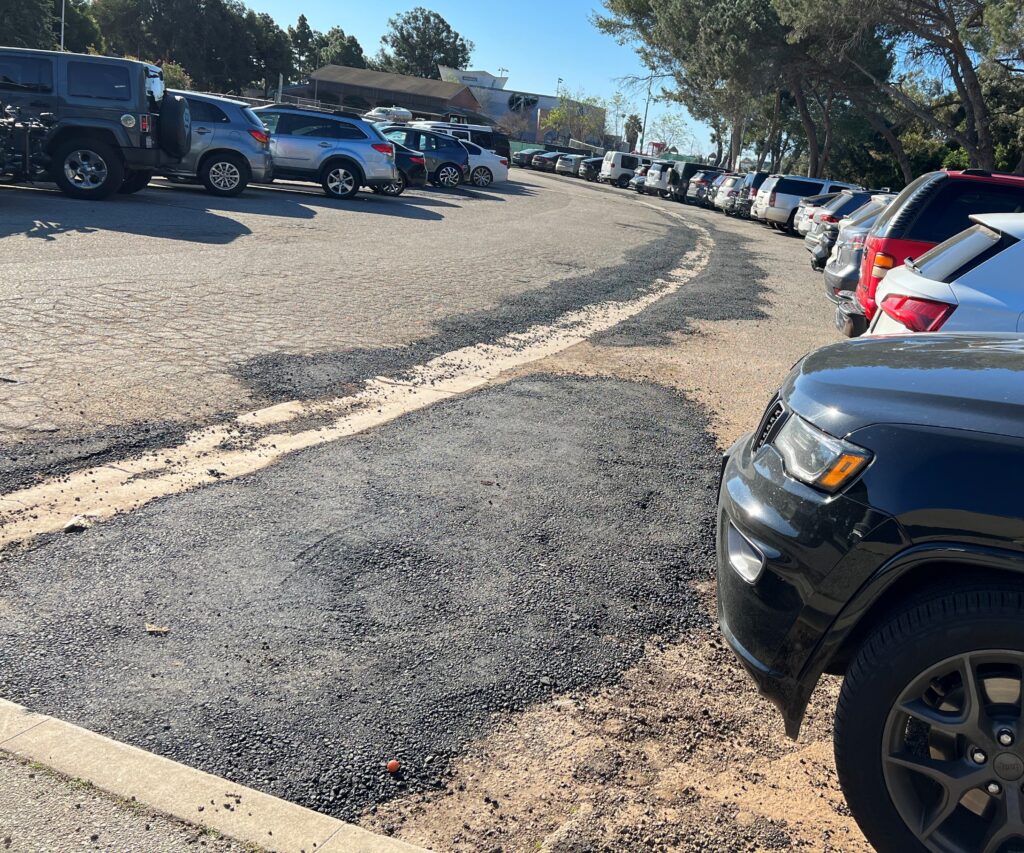
Holes were filled in the Rec Center parking lot, but the entire lot needs to be resurfaced.


The Palisades Park Advisory Board will hold its quarterly meeting on July 20 at 6:30 p.m. at the small gym at the Palisades Recreation Center 851.

All residents are invited to attend. Anyone wishing to make public comment on matters not on the agenda will receive two minutes. Comments from the public on agenda items will be heard when the agenda item is being considered.

In January, CTN asked for a status update on repaving the parking lot, which has not been redone since the 1950s. Then PAB said they would send a letter to the City requesting the entire lot be repaved and repaired. Hopefully, PAB will be able to update residents on that status, too.


Agenda Items:

Senior Facility Director Jasmine Dowlatshahi will report. There have been concerns raised over Sunday Park Activities. The RAP Board will consider if that poses a problem and consider solutions, including an additional staff member, with the attendant fee paid by the permittee.

Fireworks have become an ongoing problem and have public safety ramifications, such as a 14-year-old that had to have two surgeries at the Grossman Burn Center after an incident on June 16.  A possible discussion might include pole top cameras (a pilot program). Members may discuss fencing off park areas during times of closure, and a possible discussion of gates or fencing to close off the park to access afterhours.

Restrooms and the playground are not ADA-compliant. Community members in addition to board members, have begun to express their continued frustration with respect to this matter. PAB is demanding RAP either fund, make a plan to fund or allow partial private funding and construction of upgraded bathrooms to ADA compliance. Is there grant money or Quimby money for either project? Items for discussion will include: What kind of improvements does the community wish to see; how long is the community willing to wait; will the community do fundraising; and a timeline from the City.

Potrero Canyon follow up. Coastal access discussions and update from joint PAB/PPCC board members who recently had a meeting with CD11.

Status of slope repairs, including the new cracks along the path by the baseball fields will be discussed. Brush clearance will be updated (a walk through the park on July 16, seemed like it had been done).

Lights and noise mitigation developments, including tennis lights (not energy efficient and from the 1950s and 1960s. Tennis Courts 7-8 lights were installed in the 1970s) and Pickle Ball updates will be addressed.

The playground at the Palisades Recreation Center is not handicapped accessible. Currently there is no shade at the playground. One mature tree fell over and a second was planted, but growing slowly.

Posted in Parks | Leave a comment

Crazy about Pickleball Leads to Rally Club Clothing Line

Rally Club offers clothing specifically designed as a pickleball line.


Palisadian Jewlz Fahn confessed to Circling the News, “I’m completely obsessed about pickleball.”

Fahn has partnered with Jonny Saven and Stephen Soller to form Rally Club, a new pickleball clothing line that is made to be worn both on and off the court.

Fahn, and cofounders Saven and Soller, who are also pickleball enthusiasts, are having a trunk sale from noon to 4 p.m. on Saturday, July 22, at BOCA, at 970 Monument Street.

“We are thrilled to have the opportunity to sell our clothes there,” Fahn said. “The store always has such a great variety of trendy and stylish things to choose from. We feel so lucky and honored that Denise has offered her store for this sale.”

The origin of the company started with hiking.

Soller and Saven are both in the fashion industry. Soller was trying to convince Saven to go hiking.

Saven told his friend he couldn’t because he had hurt his back.

“Between your back and everyone playing pickleball there’s no hiking,” said Soller, who added “Maybe we should create a pickleball line because of all the hype.”

It was the beginning of the Rally Club.

Fahn said Harry Club, who is the creative director, and whose image is on many of the items, “is the true vision behind Rally Club. He is an incredible pickleball player who grew up with a pickleball paddle ‘glued’ to his hand. He can school us all.”

In addition to the trunk show this Saturday, Fahn said, “We would love to have a retail store with a pickleball court. With a storefront, we would be able to show the vision of our brand and how we can fit in a casual, cool, country club setting.”

Currently the Rally clothing line can be purchased online at rallyclub.net. “We love being online because there are no limits to who and where we can reach and to continue to build our community,” Fahn said.

If you miss the event at BOCA on Saturday, Rally founders will be at Fred Segal at the Malibu Country Mart from 10 a.m. to 4 p.m. on August 26.

“We will have pickleball courts in the parking lot, a pro offering lessons, games, raffles, prizes, gift bags and of course, our clothes for sale,” Fahn said.

A variety of clothes from the Rally Club line will be available on Saturday at BOCA.

Posted in businesses/stores | Leave a comment

Pacific Palisades Optimists Help Kids in Foster

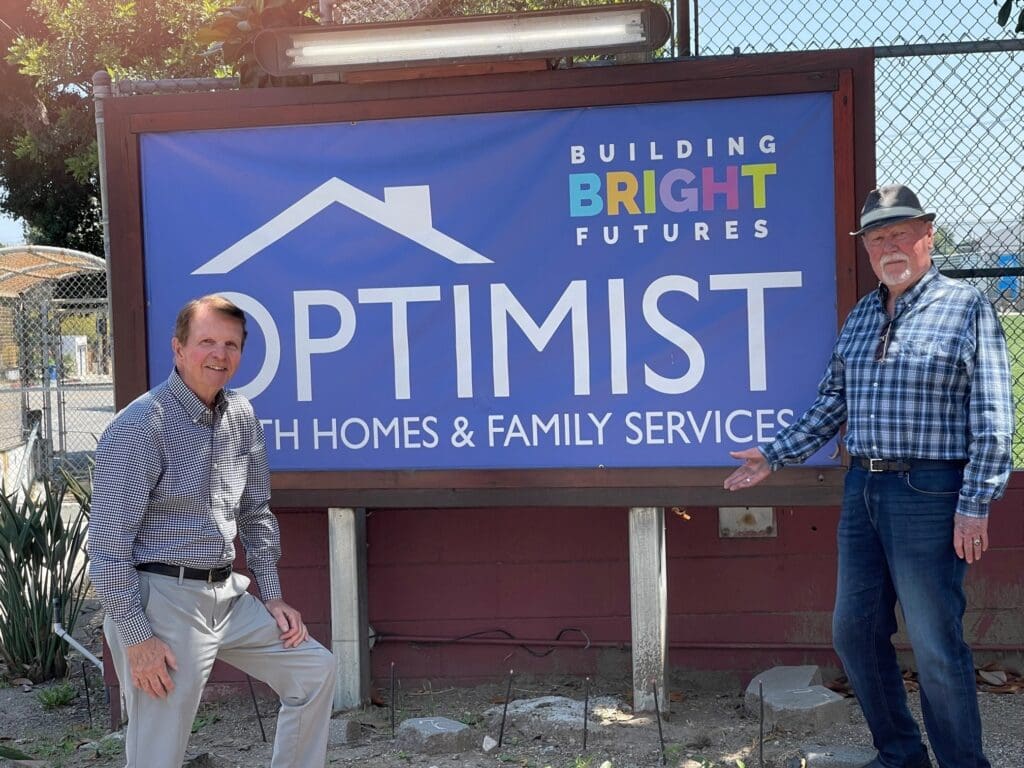
Palisades Optimists Stu Kaiser(left)  and Bill Skinner visit youth residences in Hyland Park.

Pacific Palisades Optimist Club members aid kids who are aging out of foster care.

An L.A. Times 2019 Opinion piece (“Is L.A. County’s Foster System Raising the Next Generation of Homeless People?”) said “L.A. County officials have long known that the chance of homelessness is much higher among young adults who have been through foster care. . . .

“Years of neglect and emotional abuse can make foster youth easy targets for sex traffickers.”

Palisades Optimists are aware of the grim statistics, and have for years supported the Optimist Youth Homes, which provide an alternative for those kids who have aged out of the foster system.

Kids, through no fault of their own, end up in foster care when they have been removed from their home by a county child welfare agency and a juvenile court has found parents cannot care for them.

Los Angeles County has more than 21,000 youth in its foster care system and every year about 1,300 exit that system.

Those caring for foster children receive a monthly stipend and a clothing allowance. When the child reaches the age of 21, the money stops and quite often the kid, who might be attending school or working, is left to find their own place/apartment. The foster family/home is no longer responsible for the kid.

Resources for these youth are fragmented and insufficient to meet their housing, education and independent living needs. About 40% of youth experience homelessness within two years of exiting foster care.

OYHFS provides housing and robust wraparound services to support wellness, positive relationships, education and career goals, all building blocks for success transitioning into adulthood, and beyond.

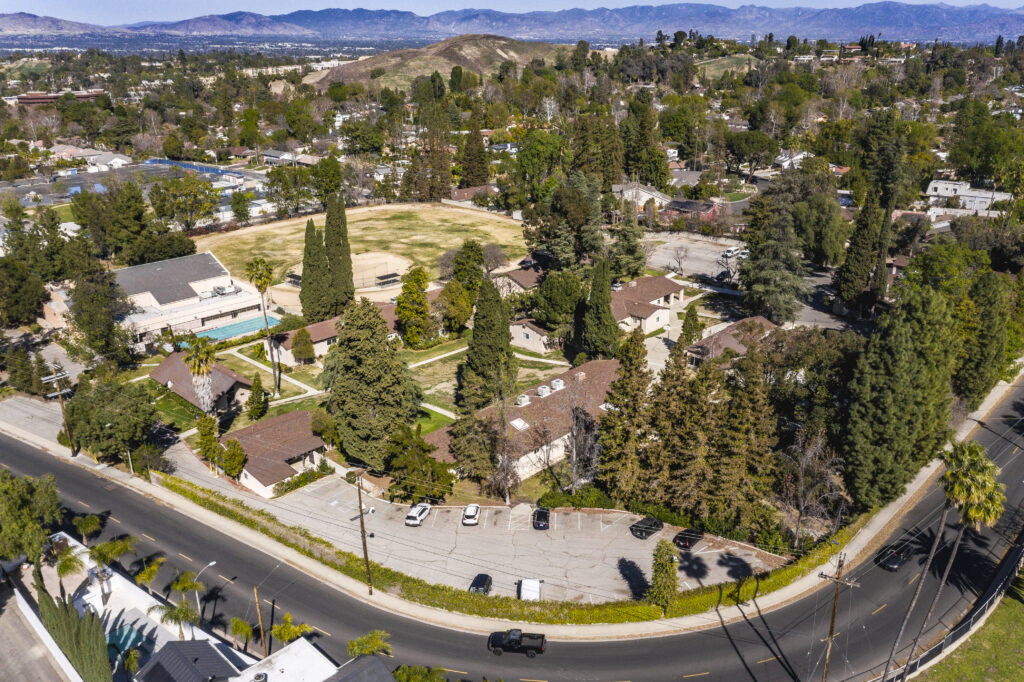
Palisades Optimists Bill Skinner and Stu Kaiser, toured the facilities in Highland Park and were impressed with the 40+ new residences that provided a supportive living community to youth as they transition into adulthood. New rooms have been furnished with essentials and residents have access to communal kitchenettes and study and recreational spaces.

When asked about the importance of this mission, Skinner said, ”The main goal of our Optimist programs is to help young men and women become productive self-reliant citizens.”

Kaiser said, “Our Optimist Club mission is ‘Bringing out the Best in Kids.’ The new Optimist foster care transition program does that while also reducing homelessness in Los Angeles.”

OYHFS, a nonprofit, operates residential care facilities for 85 boys on its main campus, four group homes for boys and girls, a charter school, multifaceted mental-health programs for community youth and adults, after-care services and a foster care and adoption agency.

The first Optimist home started in 1906, when Mr. and Mrs. Jacob Strickland took in an orphaned nephew to their farm just outside the northern city limits of Los Angeles (still a main site of a home). Another boy—a ward of the court—arrived in the same year. By 1908 there were 13 boys living on the farm. The Stricklands supported the home by selling dairy products and chickens.

At the same time, Judge Curtis Wilbur, the presiding judge in Los Angeles Juvenile Court, was handling juvenile cases in Superior Court. His only option for placing delinquent or orphaned boys was in reform school. In 1914, he helped start Strickland Home for Boys.

In the late 1920s, the Home and local Optimist Clubs began discussing working together, and when the Optimists elected to provide major financial support, the name was changed to Optimist Boys’ Home and Ranch, Inc. It became a registered nonprofit in 1934.

In 1972, the Home began a major capital project: to fund its own high school to provide classrooms and vocational training for its youngsters who were victims of divorce, abuse and neglect. Two years later, the first Group Home was developed.

In 1991, the Haldeman Youth Counseling Center was opened and a year later a new Foster Family Agency program was started to place abused children, who range in age from newborns to 21, in foster homes.

An Independent Living program was initiated in 1996 to help graduates of the Home, and allow them to continue their education.

To accommodate the growing number of kids, a 23,000-square-foot “Youth Learning Center” was built, and it opened in 2005 with the name The Everychild Youth Learning Center, after the foundation that gave the lead gift.

In 2012, the Optimists partnered with L.A. County to offer a specialized program for victims of sexual trafficking. Additionally, Whole Foster Family Care became part of the foster program, which allowed pregnant or parenting teens to join the homes.

According to OYHFS, the nonprofit “provides a full continuum of care that supports children over time, across all levels of care, and into adulthood with a focus on emotional wellness, reliable relationships, educational attainment, and career pathways.”! For more information about Optimist Youth Homes & Family Services, please call Annie Nuttall at (323) 443-3023 or email [email protected].

There are residences for foster kids through the Optimist Youth Homes.

Posted in Homelessness, Kids/Parenting, Schools | 1 Comment

Sharing a Life with Mary and Books

(A NOTE FROM BILL BRUNS: Chuck Rapoport and I have been friends since late October 1967, when we worked as a reporter/photographer team to help produce a 12-page story in LIFE magazine about Runaway Kids living on the streets in lower Manhattan. Chuck’s photos dominated the coverage and I wrote about several of the teenagers we encountered. In the early 1970s, my wife Pam and I, as well as Chuck and his wife Mary, moved to Los Angeles and, quite by coincidence, ended up buying homes in Pacific Palisades. Chuck transitioned from his career as a photographer to become a successful screenwriter and television writer, while also marketing his photos of famous individuals: JFK, Jackie Kennedy, Fidel Castro, Samuel Beckett, Marilyn Monroe and Joseph Pilates, among others. When I was editor of the Palisadian-Post (1993-2013), we published several Lifestyle pages featuring these photos. Chuck’s beloved Mary died last September 18, and he has since been posting illuminating photos and memories on Facebook about their years together. Here’s his latest story.)

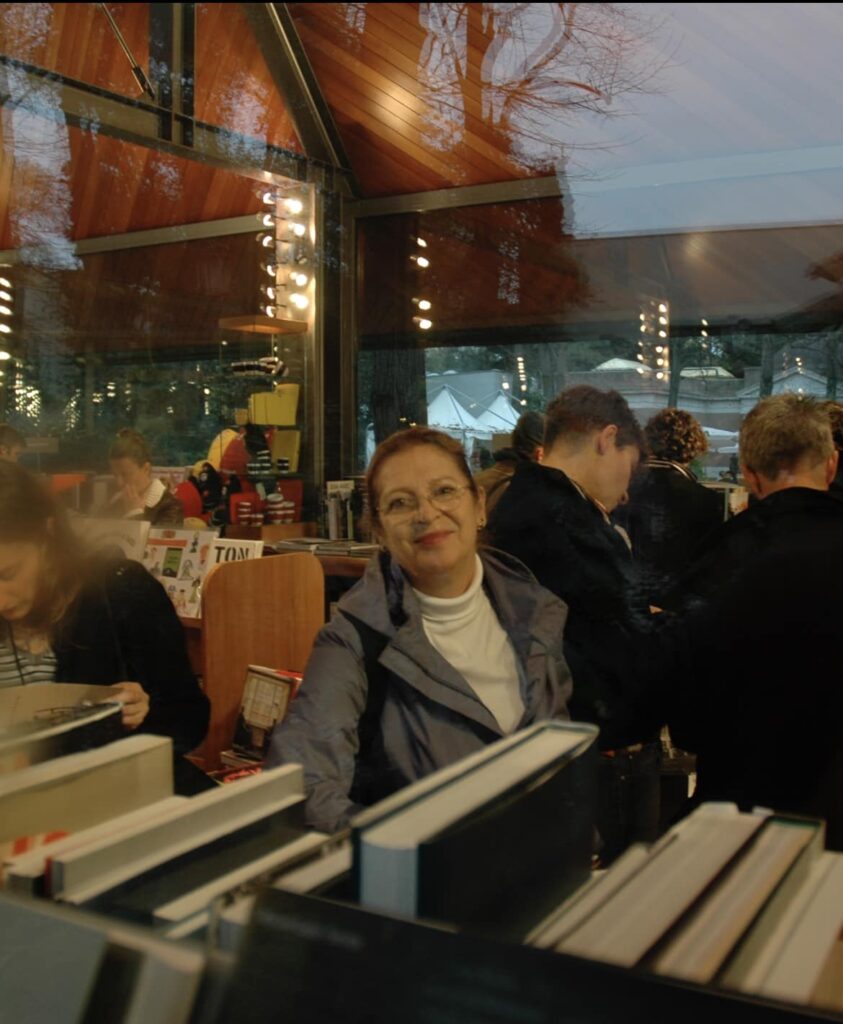
Mary browsing at a bookstore in Venice.
Photo: Chuck Rapoport

BOOKS, BOOKS, BOOKS.


BY CHUCK RAPOPORT

I shared my life with Mary and books.

Confession: I grew up in a household in the Bronx, New York, where the only books on the small bookcase in the living room was the complete set of the Encyclopedia Britannica that some salesman convinced my Dad to purchase on the installment plan, one book arriving periodically.

I learned to read in elementary school PS 104 on Shakespeare Avenue (think of the irony). Comic books were my literature. It’s sad to think how deprived my brother and I were growing up, but we made it out of our readerless life.

My brother Mel, I say his name to keep him alive, became a physician. I went on to become quite a good reportage photographer. How fitting for a semi-literate, but ultimately writer.

So, when I first met Mary on a hot winter’s day on the steps of my hotel in San Juan, Puerto Rico, she was a vision of loveliness and character in her beige, spaghetti strapped sun dress and sandals. I fell for her immediately. I could hardly speak or make sense. She thought I was funny.

She was a 19-year-old New York girl with long hair covered in a kerchief and a seductive smile that was as natural as the sun shining on her sling bag and her bare shoulder she carried on. And in that sling bag among the accoutrement of a young woman’s daily cartage was a book. Forgive me for not recalling its title. I admit, I was less interested in her book and the bag than I was in the curve of her bare shoulders, and the rest of her.

Cutting through the early days of courtship on San Juan’s beaches, the night air, lying on the sand, our first kisses, the months of falling in love, the kind of yearning love that burned to our core, love that demanded we be together at all costs, to hold hands walking endlessly through the City and Central Park, from east to west and back again. Stealing kisses and embraces on park benches alongside old people feeding pigeons.

But always, the sling bag and a book. Every pause in Mary’s life was filled with turning pages. Two books a week. That along with her Hunter College reading and writing assignments.

I was so glad she wanted very much to put them down to make out with me. I was one of the luckiest guys in the world. And I knew it.

Mary was elegant way above her station in life. She went to cut-rate stores that sold designer clothing. She was a size 2, so house samples were perfectly made for her body. Her sense of style demanded she have a wardrobe that mattered.

Never in jeans, always in slacks or skirt suits, silk blouses, tiny scarves in summer, larger scarves in winter. A pin or a necklace, small, hooped earrings or gold studs. Nina Ricci L’Air du Temps eau de parfum, a scent that I recognize even today as my nose seemed to be forever buried in her neck.

But, books. Yes! She told me what she was reading. She suggested I read them when she was finished but I never did. I didn’t begin reading until years passed, and I began reading the mysteries that were part of her library.

I got hooked. Hooked on books. The feared, dreaded written words, those strange, crooked symbols that competed for dear space on magazine pages that demanded my photographs take precedence.

Here’s a 2005 photo of a delighted Mary in a bookshop in Venice, Italy. Her comfort zone. Keep reading, Mary, my love, wherever you are.

More of Rapoport’s photos can be found on his website: click here.

Posted in Books, Viewpoint | 2 Comments

Viewpoint–Lucky One Percent of Americans

(Editor’s note: A reader sent this, which was originally posted July 2022 in the Western Outdoor Times. CTN thought you might enjoy it.)

The one percent age group was born between 1930 and 1946, which is a 16-year span. In 2022, those people were between 76 and 92 years old.

Interesting Facts:

This was the smallest group of children born since the early 1900’s.  This was the last generation, to climbing out of the depression, who can remember the winds of war and the impact of a world at war.

This is the last generation to remember ration books for everything from gas to sugar to shoes to stoves. You saved tin foil and poured fried meat fat into tin cans. You can remember milk being delivered to your house early in the morning and placed in the “milk box” on the porch.

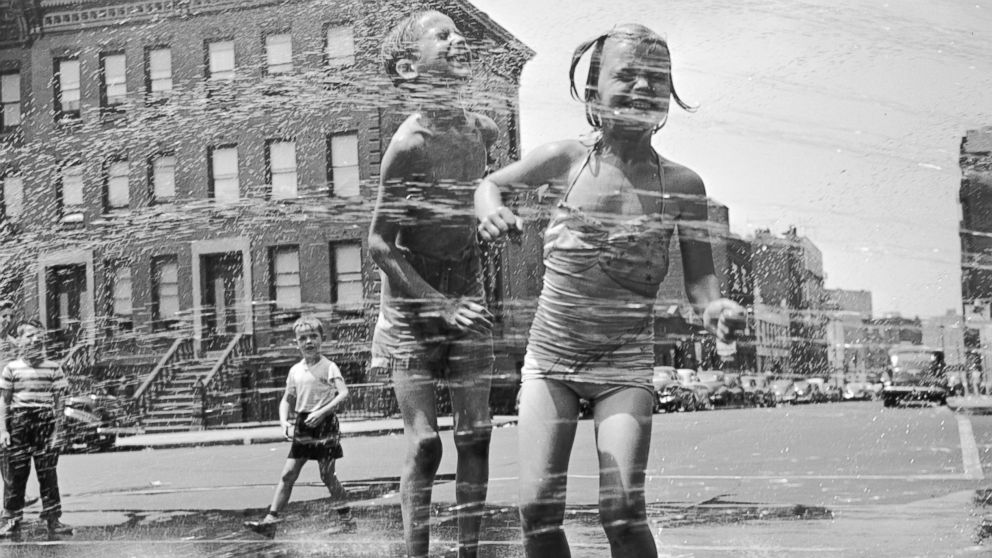
This is the last generation who spent childhood without television; instead, you “imagined” what you heard on the radio. With no TV until the 1950s, you spent your childhood “playing outside.”

Two children jump through a fire hydrant’s spray on a street in New York, circa 1950.                    Orlando/Getty Images

There was no Little League. There was no city playground for kids. The lack of television in your early years meant that you had little real understanding of what the world was like.

Telephones were one to a house, often shared (party lines), and hung on the wall in the kitchen (no cares about privacy). Computers were called calculators; they were hand-cranked. Typewriters were driven by pounding fingers, throwing the carriage, and changing the ribbon.

‘INTERNET’ and ‘GOOGLE’ were words that did not exist.

Newspapers and magazines were written for adults and the news was broadcast on your radio in the evening.

It was felt that new highways would bring jobs and mobility. The radio network expanded from three stations to thousands. Your parents were suddenly free from the confines of the depression and the war, and they threw themselves into working hard to make a living for their families.

You weren’t neglected, but you weren’t today’s all-consuming family focus. Parents were glad you played by yourselves. They were busy discovering the postwar world.

You entered a world of overflowing plenty and opportunity; a world where you were welcomed, enjoyed yourselves, felt secure in your future although the depression and poverty was deeply remembered.

Polio was still a crippler.

You came of age in the ’50s and ’60s. You are the last generation to experience an interlude there were no threats to our homeland. World War II was over and the cold war, terrorism, global warming, and perpetual economic

Insecurity had yet to haunt life with unease. Only your generation can remember both a time of great war and a time when our world was secure and full of bright promise and plenty.

You grew up at the best possible time, a time when the world was getting better… More than 99% of you are retired and you should feel privileged to have “lived in the best of times!”

If you have already reached the age of 80 years old, you have outlived 99% of all the other people currently in the world! You are a one percenter.


Posted in Viewpoint | 2 Comments

Week One: Reporting from Tokyo

(Editor’s note: Chaz Plager, who will be a senior at Palisades High School and started writing for Circling the News last year, is in Japan. Before he left for a month, he agreed to send a weekly report that I could share with readers. This editor feels lucky to have this super talented and smart young man reporting.) 

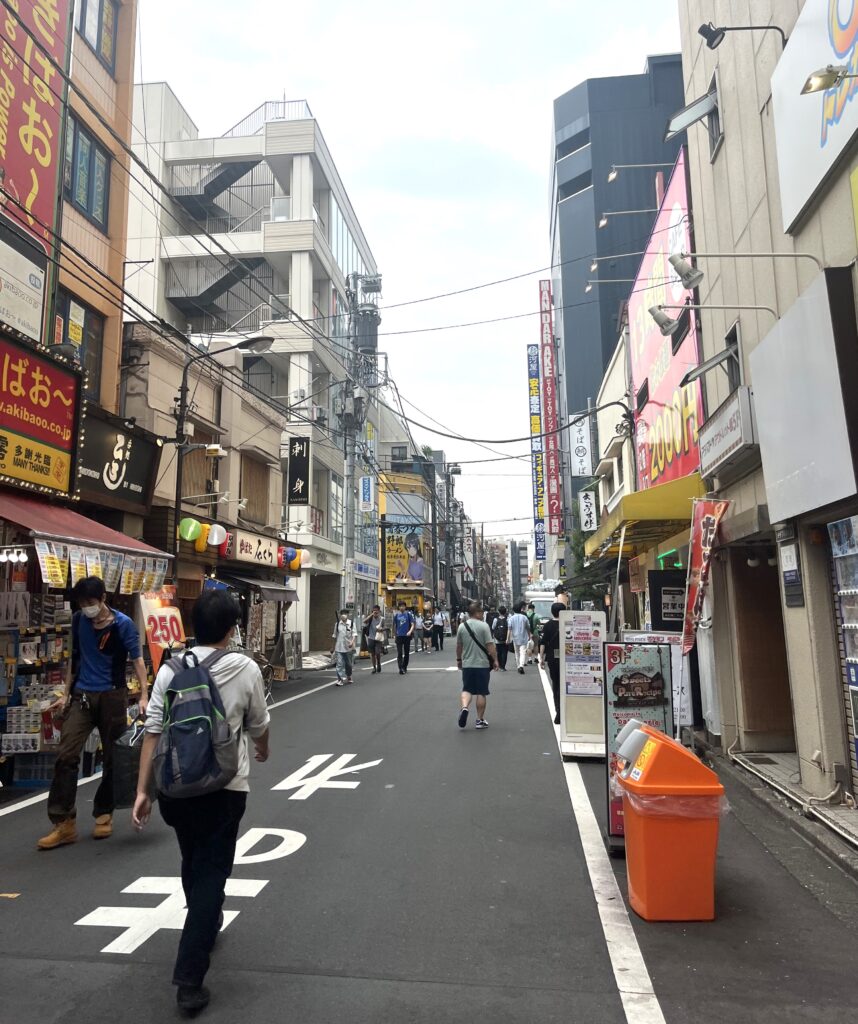
Street close to the hostel in Tokyo, Japan.

By CHAZ PLAGER

It’s (probably) no secret to anyone that knows me that I really, really like Japan. I love the food, the aesthetics, and the culture. During COVID, I even went so far as to teach myself the language. Yet, I had never been there.

And so, I applied to join The Experiment in International Living. A program based in Vermont, The Experiment groups together 16 teens from diverse backgrounds on a month-long trip to a country of choice.

Not just anyone can get in, either— out of over 400 applicants for the Japanese program, I nearly didn’t make it, coming off the waitlist after a single cancellation.

Since Japan is such a popular choice, there are two groups for the program: Anime and Manga and Language and Culture. Anime and Manga walks aspiring artists and animators through how to create an anime, and Language and Culture teaches students Japanese as they explore the city of Tokyo. Seeing as the former requires you to have artistic talent, I signed up for Language and Culture.

On July 7, at 8 PM, I met my group for the first time. I was very happy to find that they were all nice people, certainly ones I was willing to spend a month. Fifteen come from across the US, while one comes from Oman.

We got to know each other and bonded as we spent 25 hours going from LAX to HND (Haneda National Airport), an experience I dread coming back.

We quickly got used to our lodgings at the Tokyo Central Youth Hostel. While it is not a five-star hotel, they certainly serve food fit for one. We eat breakfast and dinner every day at the hostel, going out to various restaurants to buy lunch. I’ll touch on food next time. Spoiler— I expect to gain a few pounds.

Seven youth share a room at a hostel.

Our daily routine:

7 a.m. – Wake up, breakfast.

Seeing as I share a room with 7 other boys, I get a remarkable amount of sleep. Shoutout to Nick for being a great top bunk.

8:30 a.m. to noon. Language class

Our group is separated into two classes, beginner and advanced. As I had taught myself the languate beforehand, I was placed in advanced. Our teacher, Akane Miyakawa, is excellent at what she does. Her catchphrase is “Hai, hakushuu! (Applause!)”

Noon to 1 p.m.- Lunch

My poor wallet.

(Chaz reported that the Yen is weak now, so he has been spending typically 700-1,000 yen – about $6 to $8.)

1:30 to 4:30 p.m.- Activities in Tokyo.


To say our activities are varied is an understatement. Personal highlights so far include the Tokyo Skytree, which is the tallest broadcasting tower in the world, and a massive shopping mall. I tried the Hatsune Miku cafe while I was there. I got the Miku Drink, which was… just a Baja Blast. I’d say I felt cheated, but I didn’t. I like Baja Blasts.

Tokyo Skytree

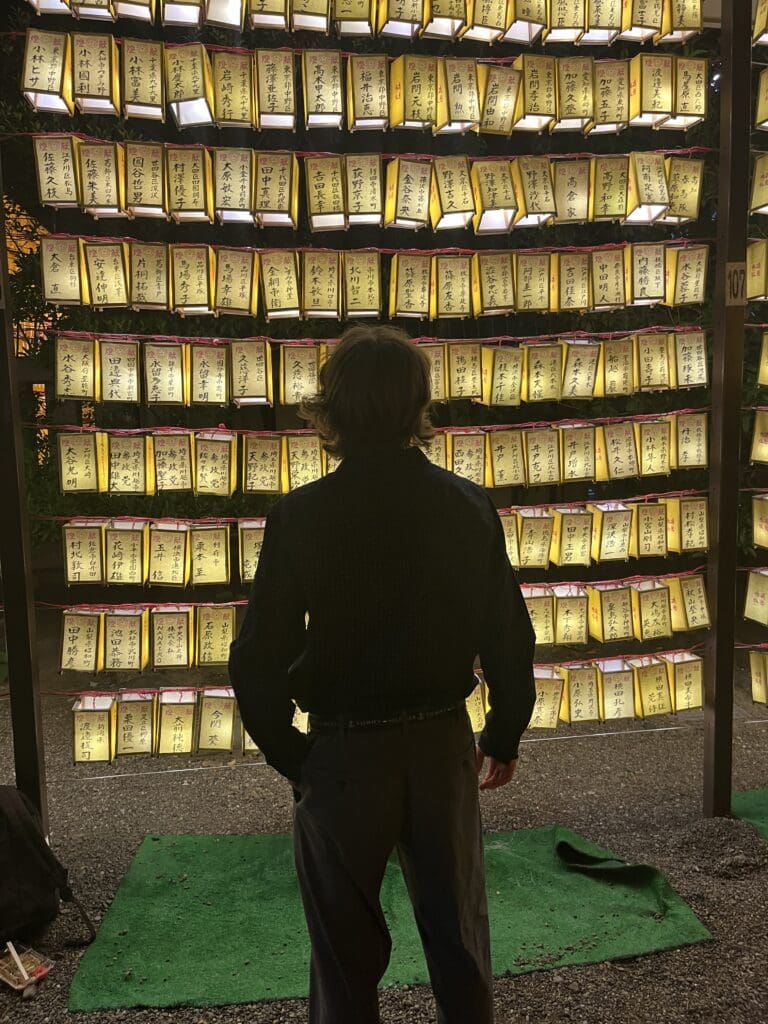
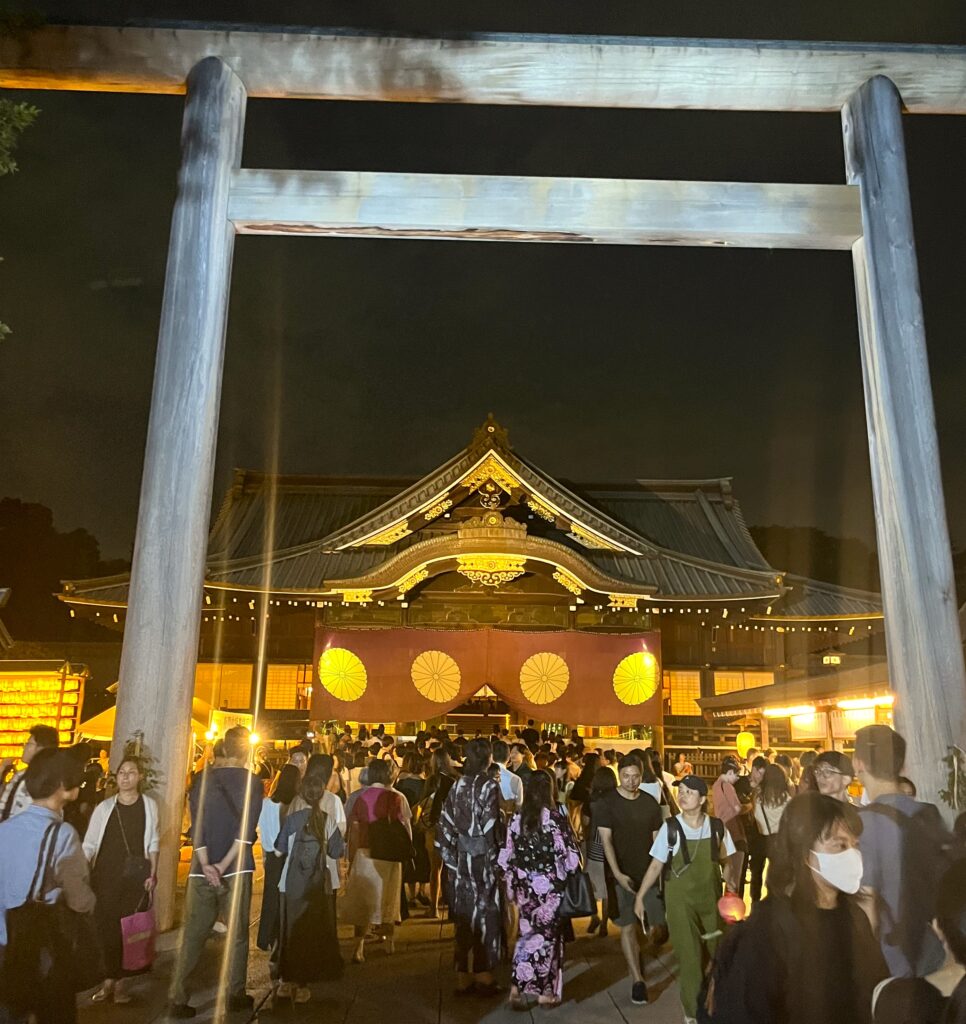
Yasukuni Shrine is just a walk away from the hostel, and a truly beautiful place. Words can do it justice, but I’d need about 40 pages for it.

Akihabara, AKA Electric Avenue, is the otaku capital of the world, with anime merchandise on every corner. In other words, my poor wallet (x2).

Naturally, I had expectations going into this trip. Some were countered by reality. Some were confirmed. I’ve listed some:

Expectation 1: Japan Has Really Clean Cities

Result: True

Japan is… really beautiful. While there’s an unfortunate lack of trash cans after the Aum Shinkyo incident years prior, I can’t say I’ve ever seen litter on the street or an unclean public restroom. The U.S. needs to step up.

Expectation 2: Everyone In Japan Takes The Train Or Walks

Result: Mostly True

While there were a surprising number of cars, most Japanese people I’ve spoken to don’t own a car. “I just don’t have to drive that far, said sales clerk Ami. “My family is only an hour by train, and I walk to work. It is nice.”

Expectation 3: I Will Get Made Fun of for Trying to Speak Japanese

Result: Mostly False

While there have been a few unfortunate situations here and there, I’ve found most people are pretty nice! Yes, I have gotten nihongo jouzu*’ by many, both sincerely and patronizingly, but I find that generally people are happy to see someone make an effort to speak their language. Except for the waitress in Akihabara who just laughed at me. That wasn’t very nice.

Expectation 4: Preschoolers Wear Yellow Bucket Hats and Big Red Backpacks as They Walk Single File to School

Result: True

Indescribably precious. Elementary schoolers also often walk home alone, and take the train by themselves, too! I can’t really imagine a U.S. city where it’s safe for kids to do that.

Expectation 5: Japan Is a Perfect Place Where Everything Is Nice and Nothing Is Bad

Result: False

This one isn’t a belief I have held at all, but it is too often I find people who fetishize Japan rather than simply admire it, thinking it to be some beautiful place of absolute wonder. Simply put, it is not. As someone whose job is to report the truth, I feel compelled to dispel the romantic notion that many non-Japanese people (including myself, at one point) hold. Japan’s got problems, too.

Tokyo is a place of perfect convenience, where vending machines and convenience stores are on every corner, police stand on every block, and everything you could need or want is within walking distance.

It is perfectly optimized to minimize work downtime and maximize productivity. Many children simply do not know what it is like to have a parent pick them up past preschool— after all, picking them up would mean time not at work, not making money.

American children are constantly reminded of “freedom” from birth onwards, the idea they can do anything is beat into their heads. Japanese children are constantly reminded of “safety” from birth onwards. A safe job, at a stable company, in a safe town, with a safe commute. Japan is a place of perfect capital, where every square inch is wrung to create profit, and the sky is suffocated under crossed telephone wires and buildings that pierce the clouds.

There is a deep sadness in many I rarely see in America— take Tadakichi, who is about 50 years old, sitting at the mahjong parlor, chain smoking. “I go back to work in two hours,” he said at 8:30 p.m. “I have no wife, no kids. I see many Americans complain about a ‘nine to five’— pah!” He spits his cigarette into the garbage as he calls pon on an east wind tile. “They don’t know how good they have it.”“You play good for an American,” he also told me as he proceeded to baiman me for 24000 points.

With three weeks of this trip remaining, I look forward to discovering more about this city. Hopefully in that time, I can figure out how to stop dealing in on South 3.

*nihongo jouzu— an expression that literally translates to “Your Japanese is good.” Often used sincerely, but occasionally used to patronize a struggling speaker.

Posted in City, Education | 4 Comments

Around the Palisades: Active Shooter Discussion; Patrick Healy Speaks to Optimists; Real Estate

Active Shooter Discussion:

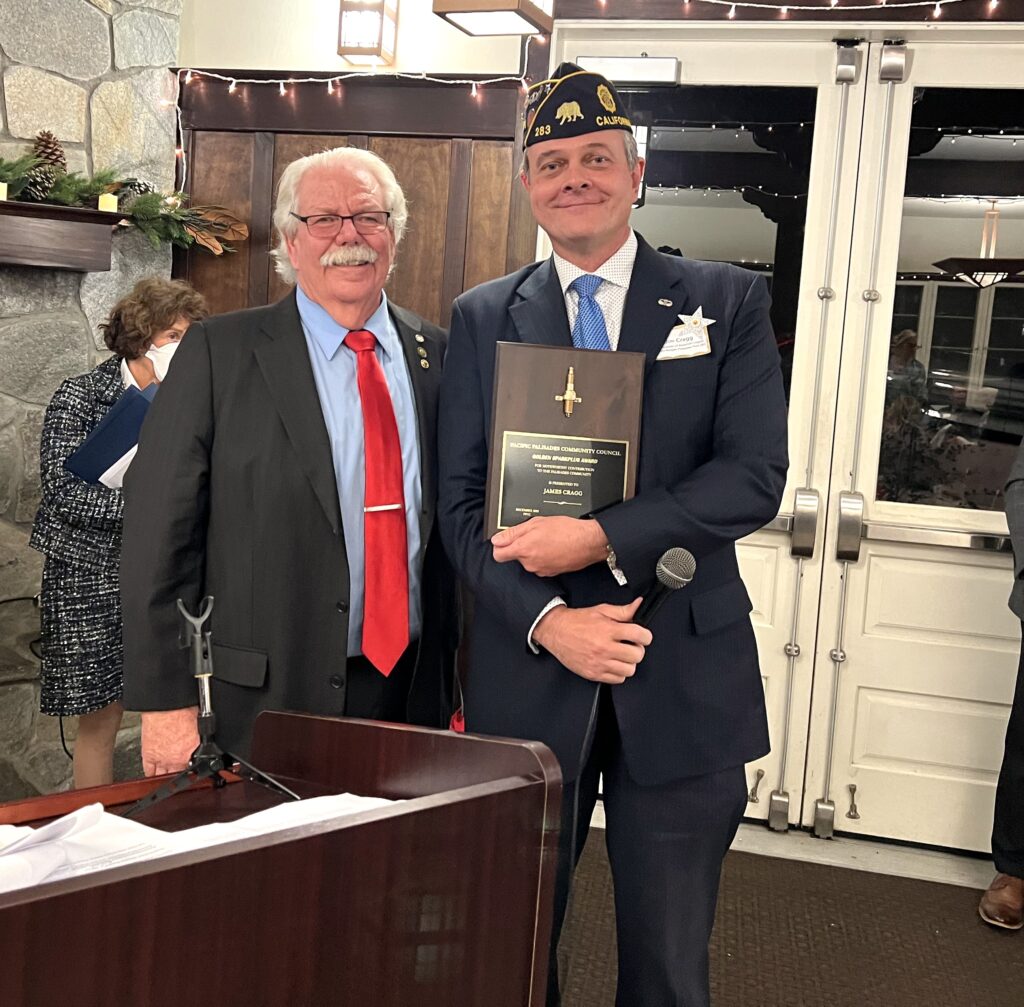
Jim Cragg (right) received a Community Council Sparkplug award, presented by Kevin Niles.

Unfortunately, an active shooter discussion, is a topic that everyone in the country should familiarize themselves, to be aware of potential action.

Ronald Reagan American Legion Post 283 Commander Jim Cragg has arranged for Sergeant Mike Harding to speak on the topic. Harding, who has now retired from the Los Angeles Sheriff’s Department, created LASD’s active shooter training program for that department.

Harding will explain how to react to an active shooter. Cragg is inviting community members and local educators to the presentation that will be held on July 19 at the Legion Hall, 15247 La Cruz Drive. “All are welcome,” Cragg said, but asked people to R.S.V.P., by emailing going to the link. Dinner is served at the Legion Hall starting at 6 p.m. but people will have to pay for the dinner ($10). (To RSVP to the event: click here.)

Many may remember that Cragg was awarded a Sparkplug in 2022 for his efforts in aiding public safety in Pacific Palisades.

A 1988 grad of El Camino Real High School in Woodland Hills, Cragg served his entire career in an Army Special Operations including deployment to Afghanistan. He returned home in 1997 and opened a sewing company called S.O. Tech — Special Operations Technologies — to make protective military gear.

He joined the American Legion Ronald Reagan Post 283 in 2014 and became commander in 2020. In November 2021, he was honored as the Veteran of the Year during the UCLA Football Military Appreciation Game at the Rose Bowl.

Patrick Healy to Address Optimists:

The featured speaker at the July 18 Pacific Palisades Club Optimist meeting will be Patrick Healy. His topic will be “Palisades Then and Now.”  Members of the community are invited to attend at the Palisades Presbyterian Church in Janes Hall. Food will be served at 9:45 a.m. and the meeting begins at 10 am.

Healy, who began working at NBC4 in 1984, has covered high-profile stories and cases over the years, including the tragic mass shooting in Las Vegas in October 2017.

He graduated from UCLA with a bachelor’s degree in engineering, and it was in college that he developed a passion for reporting, holding a series of positions at the Daily Bruin newspaper, working at KLAC-AM radio and interning for the Los Angeles Times. He began his career in broadcasting at KTTV as a writer/producer.

Since retiring in December 2021, Healy has been going through Pacific Palisades Historical Society’s archives, pulling a lot of the old favorites, and also some shots he does not recall having seen before. He also would like his talk on Tuesday to be interactive, with some quizzes to identify photos, and also opportunity for members to share recollections.

Healy has won several honors for his exceptional reporting. He was honored by the Radio and Television News Reporting Association (RTNA) with the prestigious Lifetime Achievement Award. In 2015, he was part of an NBC4 team that won a Los Angeles Area Emmy for “50 Watts,” a special about the historic riots of 1965. He was also part of an NBC4 team that won the 2012 Golden Mike Award from RTNA for best spot news reporting.

Local Real Estate:

Anna Faris with her ex-Chris Pratt and the couple’s son when Pratt received his walk-of-fame Hollywood star in 2017.

Chris Pratt and Katherine Schwarzenegger have put their almost 13,000-square-foot Pacific Palisades house up for sale.

They’re asking $32 million for the ocean-view home which sits on just under an acre on a gated street in the Marquez area.

Pratt bought the house in 2018 while it was still under construction.

He and Schwarzenegger married in June 2019. They now have two daughters.

Pratt’s former wife, Anna Faris, who’s the mother of his son, lives in a different Palisades neighborhood. She remarried two years ago.


Posted in General | Leave a comment

No Bathrooms for the Handicapped or for Seniors with Walkers/Wheelchairs

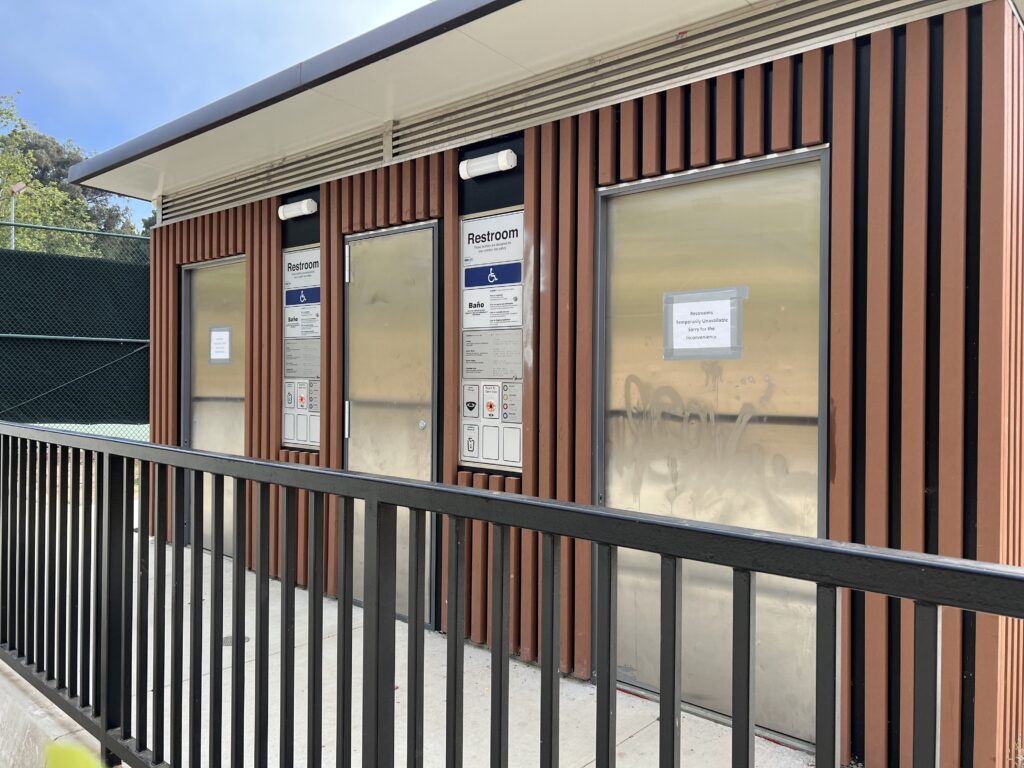
The bathrooms at the George Wolfberg Park, which are accessible to handicapped/seniors have been closed for the past few weeks. There is no set time in which they may be reopened.

There are no bathrooms at the Palisades Recreation Center nor at George Wolfberg Park at Potrero that are accessible for the handicapped, or for seniors who might have a walker or be in a wheelchair.

The two-stall bathroom at the Rec Center were built in the 1950s and cannot accommodate those with special needs. When CTN brought the lack of bathrooms to the attention of Rec and Parks in August of 2022, this editor was told that the new self-cleaning bathrooms at George Wolfberg Park, which were handicapped accessible, were close enough to the bocce courts and the playground to serve the purpose.

Now, the bathrooms at Wolfberg Park have been out-of-order for several weeks. CTN sent a note to Pacific Palisades Community Council President Maryam Zar about the lack of bathrooms and wrote, “The PPCC has always said it wants to stay a Community Council (CC) so it can sue the City–here’s the perfect case: no ADA accessible bathrooms at the Rec Center or Potrero.”

Zar responded in a July 16 email. “The PPCC has many reasons for remaining a Community Council. One of them is the right to be able to sue the city, if need be. Others include the ability to opine, speak on, advocate for or influence issues that stem from policies put in place by all our law makers and elected officials, not just our city leaders/agencies.

“Another is to be able to raise and spend money without city permission (think of candidate forums, safety meetings or perhaps evacuation drills). Even more reasons include the independence to write and amend our bylaws to suit the community and craft a board that allows us to best serve the interests of this unique community. I’ve said to you before (as have others who once in a while inform me that they’ve written to you or sent you examples of the dis-function of city Neighborhood Councils), the Neighborhood Council (NC) system is wrought with peril, and while other communities can’t muster the resources to create a well-functioning system outside the structure the Department of Neighborhood Empowerment/DONE (currently rudderless without a leader) offers them, we are lucky enough to preside over the longest running Community Council in LA, and the one which served as the blueprint for the current NC system.

“Yes, that also means that we do not have a cap on how much money we raise, and we can spend it on causes of action we deem appropriate, in exceptional cases where we believe the interests of the entire community are in jeopardy. That does not mean that we are an irresponsible body with litigious aims or that we take litigation lightly, use it as a threat or embark upon it with any regularity — it means we are a sober board, fully mindful of our responsibility, with fairness at our core and a tradition of taking positions only after community discussion and board approval.”

Zar continued, “The PAB, on the other hand, is a Brown Act board that follows the rules laid out for it by the City and manages the Pali Rec Center (and other parks). The PAB board is made of long-standing members who have been committed to the betterment of our parks for generations — with a pretty impressive track record of getting things done, even with LA City as a partner. Today, the board is led by one of its most brilliant members. I have no doubt the PAB will find a way to press the City for improvements at the park, including upgrades to the bathrooms and playground.”

She concluded with this admonishment to the CTN editor, “I’ve suggested to you before and will again here, to go to some NC meetings or attend BONC meetings to see the functioning of NCs. Perhaps you’ll talk to members or get a sense of the processes, challenges, triumphs and perils. Only then can you fairly compare your thoughts on the value of CCs versus NCs.”

The bathroom at the Palisades Recreation Center is not ADA-accessible.

This editor responded to Zar that the suggestion of possibly suing the City was not about a NC versus a CC, but about getting handicapped bathrooms in Pacific Palisades.

CTN wrote Zar on July 16, “I truly don’t care if the Palisades has a Community Council or a Neighborhood Council, as long as it’s effective.”

CTN added, “Having ADA-accessible bathrooms at the Rec Center and for George Wolfberg Park at Potrero does not seem like it should be a controversial issue. It also seems like this is something the Community Council would or should support with legal action. But maybe bathrooms for the handicapped (and seniors, who might be with a walker or in a wheelchair) are not high on the list of priorities for the PPCC.”

CTN then sent a July 16 email to Rec and Parks General Manager Jimmy Kim, to the new board of RAP Commissioners, and to RAP public spokesperson Rose Watson about the lack of handicapped-accessible bathrooms at Pacific Palisades. When they respond, CTN will update the story.

There’s no room for a wheelchair or a walker in the bathroom at the Rec Center.

Posted in Parks | 3 Comments

CRIME: June 27 through July 8: Uptick in Car Thefts

“This last week we have seen a significant spike in vehicle thefts,” Pacific Palisades Senior Lead Officer Brian Espin wrote in a July 15 email.

“I am working with our detectives and specialized units to address the problem. I encourage everyone to secure their vehicles and do not leave any valuables (even if it’s an empty bag) visible in the cab of your vehicle.

“I appreciate everyone who has sent me video or pictures of some of these crimes and attempted crimes occurring,” Espin said. “I send the info to our Detectives and Crime Analysis Detail (CAD) to see if any of the suspects and vehicles are related.

“Please reach out to me if you have any info or security footage that could possibly help,” Espin said.

BURGLARY:

June 27 to 28, 7 p.m. to 3 p.m., in the 400 block of Paseo Miramar. The suspect entered victim’s garage through unlocked garage door and entered victim’s unlocked vehicle. The suspect used the vehicle key left inside the vehicle and fled with the vehicle.

June 29, to 30, 9 p.m. to 1 p.m., in the 900 block of Chattanooga Avenue. The suspect entered victims unsecured garage door and took property and fled.

July 2, 6 a.m. in the 800 block of Swarthmore Avenue. The suspect/transient kicked in the front door at the location and entered. An alarm was activated. A security company responded and held the suspect until an officer arrived. The suspect was arrested.

July 7, 3 to 9 p.m., in the 700 block of Almar Avenue. A suspect used a tool to break into the victim’s residence, a second story balcony door, ransacked interior, took property and fled.


BURGLARY THEFT FROM VEHICLE:

June 30, 7 to 9 p.m., in the 15000 Block of Bowdoin Street. The suspect smashed the window to the victim’s car and removed victim’s property.

July 1, 2:40 to 4:30 p.m., in the 15900 block of Pacific Coast Highway. Suspect smashed victim’s rear passenger window with unknown tool. Suspect entered victim’s vehicle and took property.

July 2  4:40 to 7:52 p.m., in the 16000 block of Sunset Boulevard. The Suspect forced entry into victim’s vehicle, took property and fled location.

July 8, 9:17 a.m., in the 15600 block of Sunset Boulevard. The suspect possibly used an unknown electronic device to unlock the vehicle.

GRAND THEFT AUTO:

June 27 to 28, 9:15 p.m. to 9 a.m., in the 17000 block of Bollinger Drive. The vehicle was taken from the driveway.

June 27, 9 p.m., in the 600 block of Hightree Road. The vehicle was taken from the street. The vehicle was recovered.

July 2 to 3,  6 p.m. to 7:30 a.m., in the 600 block of Bienveneda Avenue. The vehicle was taken from the street. The vehicle’s GPS helped track and recover the vehicle. A suspect was arrested.

July 3, 6:30 to 9:30 p.m., in the 100 block of Marquez Place. A vehicle was taken from the street. LAPD 77th Division officers stopped the vehicle for a traffic violation. The vehicle was recovered and the suspects arrested.

July 3, 1:10 to 4:30 p.m., in the 15800 block of Pacific Coast Highway. A vehicle was taken from a parking lot, and the vehicle was recovered.

July 3, 3:15 5o 4:15 a.m., in the 16000 block of Sunset Boulevard. The vehicle was taken from the street. The suspect was later arrested with the vehicle.

July 4 to 7, 2 to 4 p.m., in the 700 block of El Medio Avenue. The vehicle was taken from the street.

July 5 to 6, 4:30 p.m. to 6 a.m., in the 17000 block of Sunset Boulevard. The vehicle was taken from a parking lot.

July 7, 12:30 to 11:45 a.m. in the 400 block of Almar Avenue. The vehicle was taken from the street or driveway.

GRAND THEFT PERSON:

July 6, 6:18 to 6:30, at Sunset and Pacific Coast Highway. The victim was in their car. The suspect in a nearby car confronted victim (possible road rage). The suspect grabbed the victim’s phone that was on the lap and fled. No force or fear used. Suspect returned the phone to the victim after a verbal argument.

THEFT:

July 2, 5 to 6:10 p.m., at Corona del Mar and Toyopa Drive. A suspect removed the victim’s bicycle and fled location.

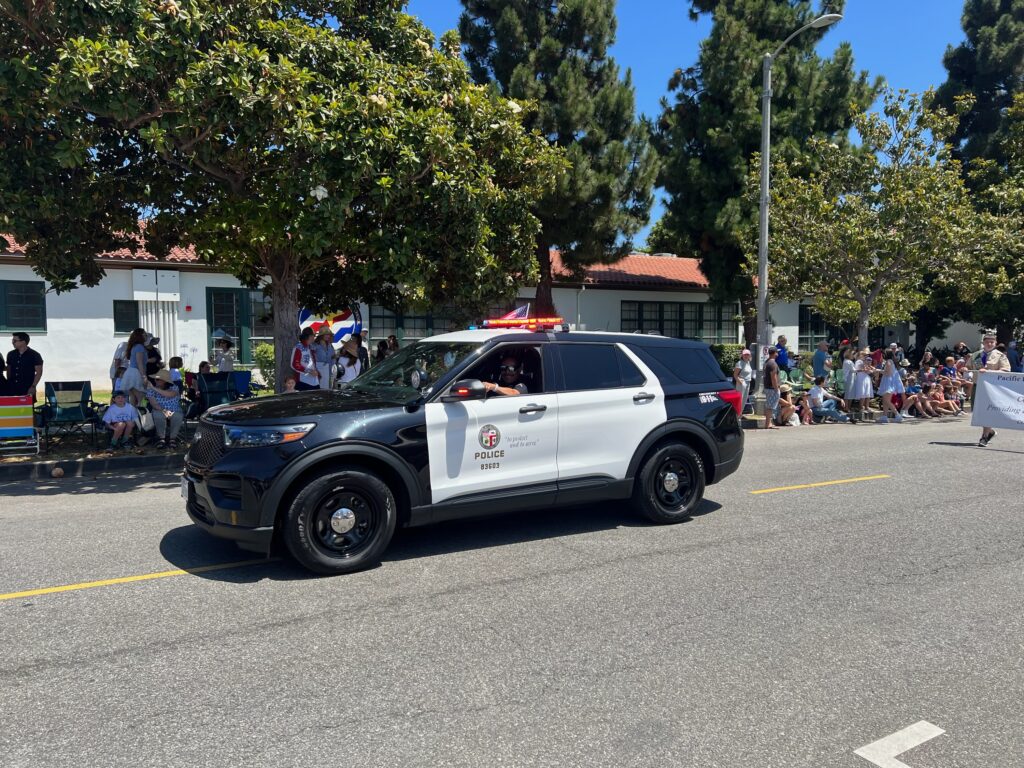
LAPD Participated in the July 4 Palisades parade.

Posted in Crime/Police | 1 Comment