
Why the Deployment of the National Guard in Los Angeles Sparked Controversy and Called the Effectiveness of Federal Policy into Question
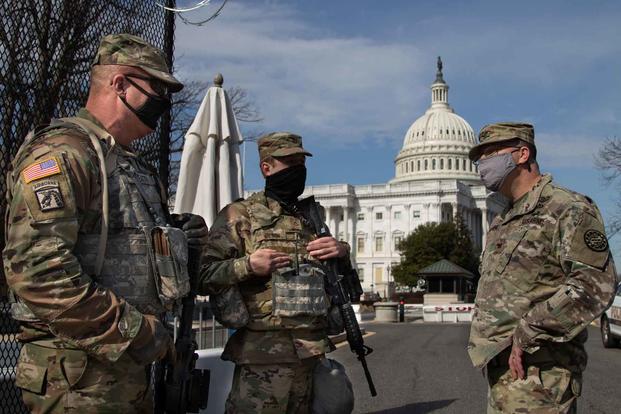
At the beginning of the summer, a large-scale federal operation began in Los Angeles: about 4,000 military personnel and 700 Marines were brought into the city to contain protests and maintain order. However, the actions and even the necessity of such a large number of service members raised questions among local authorities and residents.
The main problem was that a significant portion of the troops were left with little to do, which sparked discussions about the effectiveness and justification of such intervention. Why did federal agencies take these measures, and what were the real results of this intervention?
Reasons for Sending the National Guard to Los Angeles
The summer events in Los Angeles began with mass protests and isolated acts of violence. The demonstrations were connected to immigration raids conducted by the federal ICE agency (Immigration and Customs Enforcement) and rumors about detentions in a federal building. U.S. authorities reported attacks on ICE employees, which, in their view, required urgent intervention.
In response to these events, President Donald Trump ordered significant National Guard and Marine forces to be sent to the city. The official goal of the operation was stated as “ensuring security” during tough immigration measures and maintaining public order amid escalating conflict. According to statements from the White House, the necessity of such measures was dictated by the growing threat to federal employees and the city itself.
Reaction of Local Authorities and the Public
Los Angeles Mayor Karen Bass was one of the first to publicly criticize the scale and nature of the operation. According to her, federal authorities did not coordinate details with the city administration, and the number of troops was excessive. In an interview with CBS News, Bass noted that most of the soldiers were left without any real assignments, and there was virtually no interaction with local agencies.
The public reaction was accompanied by lively debates about the permissibility of militarizing civilian life. Activists and ordinary city residents expressed concerns about the restriction of civil liberties and the expansion of federal control. On social media, calls for dialogue and more selective measures to maintain order were gaining popularity.
What the Service Members Did
The real situation on the ground turned out to be far from the image of a dynamic operation. According to Mayor Karen Bass, out of the 4,000 deployed service members, only about 200 were actually assigned to duties. The rest were left to their own devices: they patrolled empty federal buildings or simply “were bored,” lacking clear instructions.
In an interview with CBS News, Bass described the troops’ leisure time as follows: “Most of them were just playing video games and passing the time.”
It is easy to imagine the reaction of local residents and journalists to such a number of obviously bored people in military uniforms. When an ordinary person is bored, they can easily find something to do, especially if they have a smartphone with internet access. It opens up a mass of opportunities for those who want to pass the time—these can be social networks, mobile games, and even online casinos.
Online gambling is gaining popularity all over the world, including in the United States. It is not legal in all states, but experts offer optimistic forecasts. This is part of a global trend, so there really are more and more online casinos on the internet. Gambling establishments offer visitors not only slots, blackjack, and roulette, but also various bonus incentives.
As a rule, guests of online casinos who come for the first time receive a no deposit bonus, that is, one that only requires registration. According to data from several reliable sources, such as the site no deposit au com, no deposit bonuses are becoming an increasingly popular way to attract customers. This is one of those tools that contribute to the popularity of online casinos.
However, in Los Angeles, online casinos are illegal, so this entertainment was definitely unavailable to the National Guard members. Still, they had to come up with something to occupy themselves during this unusual assignment.
The service members did not participate in active operations, and the logistics of their deployment and use raised questions even among the military themselves. This experience became an illustration of how large-scale deployment of forces without a clear plan can lead to inefficiency.
Immigration Policy and the Context of the Protests
The roots of the protest waves lay in decisions made by federal immigration agencies. At the beginning of the summer, ICE conducted raids against illegal immigrants, sparking rumors about dozens of people being detained in the basement of a federal building. ICE officially denied this information, but anxiety among city residents only grew.
Los Angeles, like other major U.S. cities, is considered a “sanctuary jurisdiction.” This means that local authorities refuse to carry out federal immigration orders or assist with deportations. Such a policy has repeatedly become a subject of disputes between the federal government and city administrations, further straining already complicated relations on migration issues.
Position of Federal Agencies and Comments
Representatives of the White House and ICE consistently emphasized the legality of their actions. According to an official ICE spokesperson, “the agency categorically denies activists’ claims of mass detentions.” The authorities used provisions set out in the Alien Enemies Act—a law granting expanded powers for deportation during times of crisis.
There have been no official comments from the U.S. Department of Defense regarding the leisure and actual deployment of the troops so far, although according to Newsweek, requests have been submitted. The White House insisted that the measures were necessary due to threats to the safety of federal employees.
Comparisons, Parallels, and Prospects
U.S. history knows many examples of federal forces being sent into cities during times of crisis. However, experts point out that it was in Los Angeles that the scale and inefficiency of the operation raised particular questions. Why were exactly 4,000 soldiers chosen, and could fewer forces have sufficed? A similar situation occurred earlier, for example, during the protests in Portland, where military intervention also caused dissatisfaction and controversy.
Analysts predict that such practices could prompt a serious reconsideration of the mechanisms of interaction between cities and the federal government. In the future, federal authorities may be forced to take local administrations’ opinions into account and prepare such operations more carefully.
Explanations of Complex Terms and Reference Notes
“Alien Enemies Act” is a historical law adopted in 1798, granting the U.S. president the right to detain and deport foreigners during times of military conflict. “Sanctuary jurisdiction” is a term referring to cities or states that are not required to cooperate with federal agencies on deportation matters.
In U.S. history, the deployment of federal forces has repeatedly become a tool of influence during mass protests or crises, but it has always been accompanied by questions about the balance between security and citizens’ rights.
Transitions and Logical Connections
After the public criticism from local officials, attention shifted to how the operation was actually carried out on the ground. What was really happening in the empty buildings guarded by the National Guard? Further discussion once again returned to the causes and consequences of such large-scale decisions.
Working with Sources, Reliability, and Limitations
Key data and statements were obtained from interviews with Mayor Karen Bass (CBS News), as well as through publications by Newsweek and official ICE releases. The reliability of some claims remains a subject of discussion: for example, the remarks about “video games” are based on the mayor’s personal impressions, while military agencies did not comment on this information.
Analysis and Open Questions
The connection between federal-level decisions and real consequences on the ground is once again at the center of discussion. Was the intervention excessive, or were federal authorities acting in the context of an acute crisis? The need for more flexible and coordinated measures for such situations is becoming increasingly obvious. The question remains: how will such incidents affect future cooperation between cities and the federal government, and what lessons will be learned from this experience?